 Custer
 Why Siding in the Nooksack Area Wears Differently
Homes around Nooksack sit in a stretch of Whatcom County that takes a steady beating from the weather most of the year. Damp Pacific air moves inland off the coast, driving rain comes in sideways during fall and winter storms, and shaded, tree-lined lots hang onto moisture long after a storm passes. That combination is exactly what breaks down siding faster than the manufacturer's spec sheet ever accounts for. A repair job here isn't the same as a repair job in a drier inland climate — the failure points are different, and so is the fix that actually holds up.
We see the same patterns on house after house in this area: siding that looks fine from the street but is soft, delaminating, or growing moss at the joints, corners, and anywhere water has a chance to sit. Repairing that correctly means understanding why it failed in the first place, not just covering the symptom.
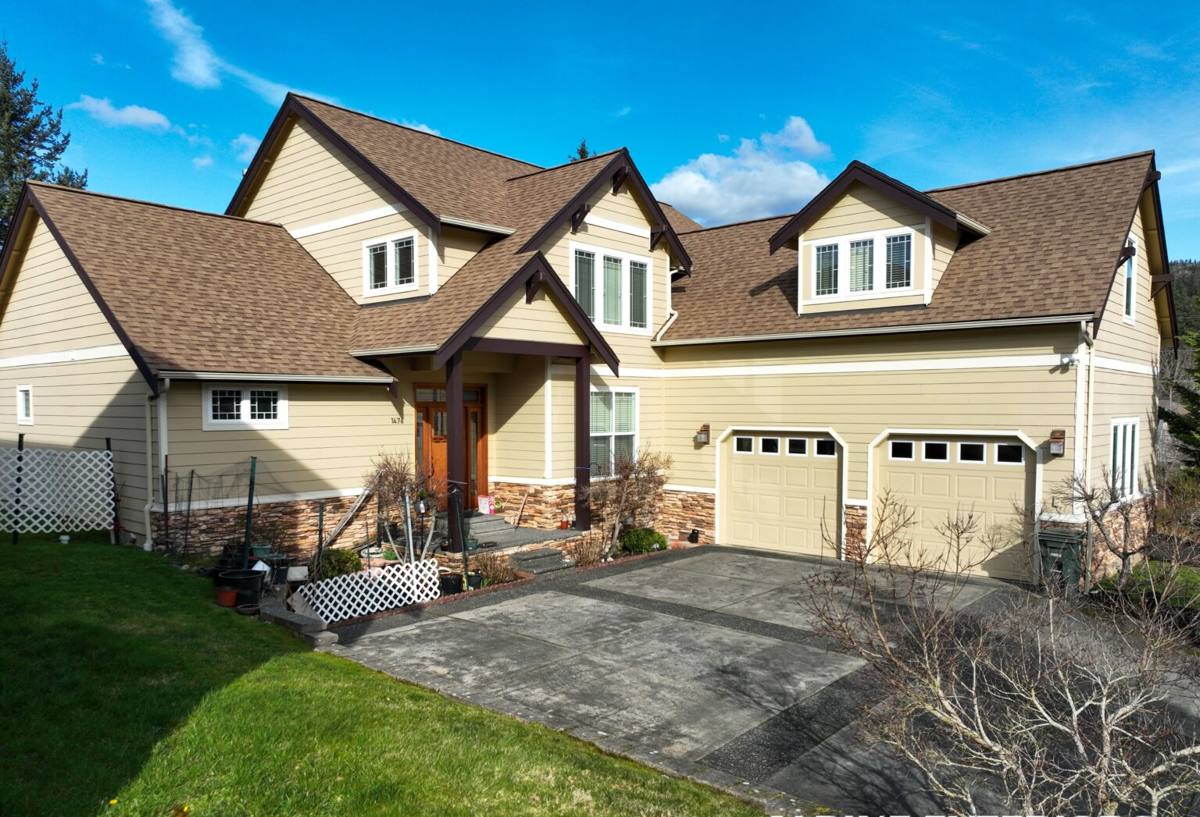
Signs Your Siding Needs Repair — Not Just a Paint Touch-Up
Subtle signs homeowners miss
- Dark streaking or green film along horizontal seams and under window sills
- Paint that's peeling in sheets rather than just fading or chalking
- A slightly spongy feel when you press on a panel near the bottom of a wall
- Nail heads popping or leaving rust trails down the face of the siding
- Gaps opening up at corner trim or where siding meets window and door casings
Signs that mean act now, not later
Visible rot, crumbling material you can push a finger into, warping panels, or water stains on interior walls behind exterior siding are past the "keep an eye on it" stage. At that point moisture has likely reached the sheathing behind the siding, and waiting only grows the repair.
What's Actually Causing Siding Damage Around Nooksack
Moisture that never fully dries out
Long stretches of overcast, damp weather mean siding doesn't get the drying time it would in a sunnier, drier climate. Any siding material that absorbs water — untreated wood, some engineered wood products, or older cement products installed without proper back-priming — stays wet longer and starts to break down from the inside.
Moss and organic growth
Shaded lots and a long wet season give moss and algae a real foothold on siding, trim, and especially anywhere horizontal water can collect. Moss doesn't just look bad — it holds moisture directly against the siding surface and caulk lines, which accelerates rot and finish failure underneath it.
Wind-driven rain and salt-carrying air
Storms coming off the coast push rain into joints, laps, and fastener holes that would stay dry in calmer weather. Over time, salt-laden air also degrades unprotected fasteners and lower-grade finishes faster than a typical inland environment.
What a Correct Siding Repair Actually Involves
A repair that's done right starts with figuring out the actual cause of the failure, not just replacing the board that looks bad. We check the flashing, house wrap, and sheathing behind the damaged section before we close anything back up — repairing the surface over a moisture problem that's still active just guarantees a repeat call in a year or two.
Diagnosis first
We look at moisture readings in the siding and substrate, trace the water path (often it's a failed kick-out flashing, a caulk joint that opened up, or a butt joint that was never properly sealed), and identify whether the damage is isolated or spreading under intact-looking panels nearby.
Matching materials and finish
Since we work exclusively in James Hardie fiber cement, repair sections get tied into the existing Hardie siding with matching profile, exposure, and ColorPlus finish wherever possible, so the repaired section doesn't stand out as a patch.
Sealing the details, not just the field
Most siding failures start at a detail — a corner, a butt joint, a penetration for a hose bib or light fixture — not in the middle of a flat wall. Correct repair work pays the most attention exactly there: proper flashing, correct fastener placement, and sealant used only where Hardie's installation instructions call for it.
Repair or Replacement? How We Make That Call
Not every damaged section needs a full re-side, and we don't push replacement when a targeted repair will hold up. The table below is a general guide — the actual answer depends on what we find once we open up the affected area.
| Situation | Repair Usually Makes Sense | Replacement Usually Makes Sense |
|---|---|---|
| Extent of damage | Isolated to one wall section or a few boards | Recurring damage across multiple walls or elevations |
| Underlying structure | Sheathing and framing are still sound | Rot has reached framing or sheathing over a wide area |
| Siding material | Existing siding is Hardie or another sound fiber cement | Existing siding is failing wood, older vinyl, or a discontinued profile that can't be matched |
| Age of siding | Well within its expected service life | Near or past the age where multiple failures are likely to keep surfacing |
| Moss/moisture history | First real issue after years of no problems | Chronic moss and moisture damage returning year after year |
Why We Repair (and Replace) With James Hardie Fiber Cement
Custer Siding installs James Hardie fiber cement exclusively — we don't carry vinyl, LP SmartSide, primed wood, or other fiber cement brands. For repair work specifically, that focus matters: fiber cement doesn't absorb and swell with moisture the way wood-based products do, it's non-combustible, and Hardie's HZ5 product line is engineered for exactly the kind of wet, marine-influenced climate this part of Whatcom County sits in. When we tie a repair into existing Hardie siding, we're matching a material with a known, consistent track record rather than guessing how a different product will age alongside it.
Hardie's factory-applied ColorPlus finish also matters for repairs — it's baked on under controlled conditions, so a properly matched replacement board holds its color evenly instead of the finish drifting a few years down the road, which is a common problem with field-painted repairs on other materials.
Our Siding Repair Process
- Inspection and diagnosis — we assess the visible damage and check for moisture intrusion into sheathing, flashing failures, and whether nearby sections are affected but not yet showing it
- Honest scope and estimate — you get a clear explanation of what's failing, why, and whether repair or replacement is the right call, with a written estimate before any work starts
- Removal of compromised material — damaged siding, and any rotted sheathing or framing found underneath, is fully removed rather than covered over
- Correcting the root cause — flashing, house wrap, and moisture barriers are repaired or upgraded so the same failure doesn't reoccur
- Installation to Hardie's specifications — proper fastening, clearances, and sealant placement, following manufacturer install requirements rather than shortcuts
- Cleanup and final walkthrough — we show you the completed work and explain anything worth keeping an eye on going forward
Why a Crew That Already Works in Nooksack Matters
Siding repair work in this area rewards local knowledge. A crew that regularly works Custer, Nooksack, and the surrounding parts of Whatcom County has already seen how moss builds up on north-facing walls, where driving rain tends to find gaps, and which details fail first on homes exposed to this particular mix of coastal weather and shaded, damp lots. That's the difference between a repair that's built to hold up through another wet season and one that's a temporary patch.
Working locally also means faster response when a storm exposes a problem, and a straightforward path back to us if something needs a follow-up look after the repair.
Maintenance That Extends the Life of a Repair
A correct repair should be close to a permanent fix, not a recurring maintenance item — but a little upkeep goes a long way in this climate.
- Rinse off moss and algae buildup at least once a year, especially on shaded or north-facing walls
- Keep gutters clear so overflow isn't running down the siding face during heavy rain
- Trim back vegetation and tree branches that keep siding shaded and slow to dry
- Re-caulk joints and penetrations if you notice cracking or separation before it becomes a leak
- Do a visual walk-around after major storms, checking corners, butt joints, and areas around fixtures
- Address small issues — a lifted piece of trim, a soft spot, a new stain — while they're still small repairs
If you're seeing moss buildup, soft spots, or damage on your siding anywhere around Nooksack, we're happy to take a look and give you a straight answer on what it needs. Reach out for a free, no-pressure estimate using the form below.