 Custer
 Windows Built for the Semiahmoo Side of Whatcom County
Homes around Semiahmoo sit close enough to the water that the air itself works against your windows year-round. Salt-laden air off the bay, wind-driven rain rolling in off the Strait, and a shade-and-moisture combination that keeps moss going most of the year — none of that is unique to any one house, but it adds up differently here than it does twenty miles inland. If you're replacing windows on a home near Semiahmoo, or looking at Custer more broadly, the product you pick and the way it's installed both need to account for that.
This page is about one job in one area: energy-efficient window replacement for houses in and around Semiahmoo. Not a general rundown of every window on the market — just what actually matters for homes dealing with this specific stretch of Whatcom County weather.
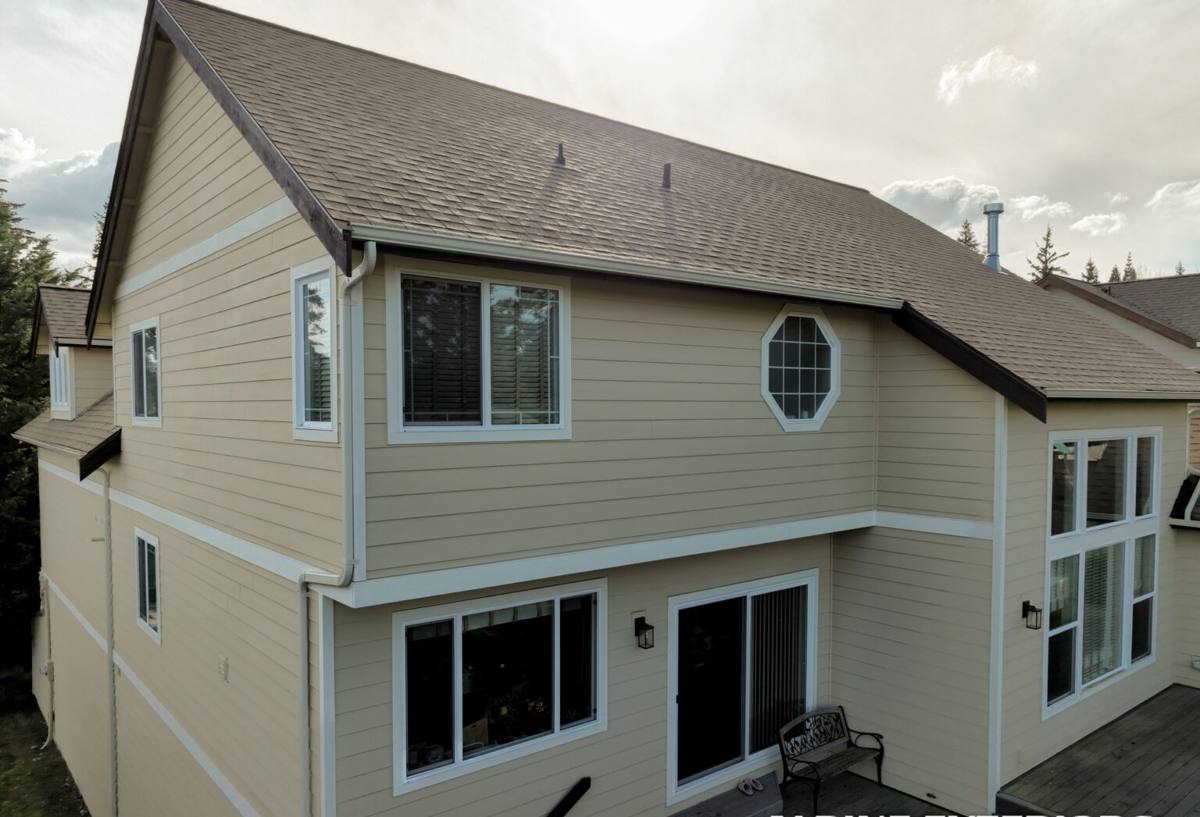
What Salt Air, Driving Rain, and Moss Season Do to a Window
Every one of these three factors shows up on windows in a slightly different way, and it's worth understanding them separately because they call for different fixes.
Salt Air
Airborne salt is corrosive to exposed metal — window hardware, cranks, hinges, and lesser-grade fasteners take the brunt of it. On a house a few blocks from the water, that corrosion shows up faster than it would ten miles inland. It's not usually dramatic; it's a slow degrading of the parts that make a window open, close, and lock properly.
Driving Rain
Wind off the water doesn't just drop rain straight down — it pushes it sideways into the wall assembly. A window that's flashed and sealed correctly sheds that water. One that isn't will eventually let moisture behind the trim, where it can sit against sheathing and framing without anyone noticing until there's a soft spot or a stain.
Moss and Persistent Damp
Long stretches of mild, wet weather under tree cover keep window sills, sashes, and surrounding trim damp longer than they'd stay in a drier climate. That's exactly the environment moss and mildew like. On older wood-frame windows especially, it's a slow path to rot if the moisture isn't shedding the way it should.
None of this means your windows are doomed — it means the product and the installation both need to be chosen with this specific combination in mind, not a generic "any window will do" approach.
What "Energy-Efficient" Actually Means Here
Energy efficiency in a window comes down to a handful of measurable things, and in a marine climate like this, some matter more than others.
- U-factor — how much heat the window lets through. Lower is better for our mild-but-damp winters, where the goal is holding heat in more than blocking extreme cold.
- Low-E coatings — a thin coating that reflects heat while still letting light through. Helps year-round, including on the west- and south-facing glass that takes direct sun in summer.
- Gas-filled sealed units — argon or krypton between panes adds insulating value over plain air-filled glass. Argon is standard on most quality replacement windows and holds up well over decades.
- Seal integrity — the best glass package in the world underperforms if the seal around the sash or the frame-to-wall connection is compromised. In a wind-driven-rain climate, this matters as much as the glass spec.
A window can have excellent numbers on paper and still perform poorly here if the installation doesn't seal it against wind-driven moisture. That's the piece that gets skipped when a job is rushed.
Frame Material: What Holds Up on This Coast
Frame material affects both energy performance and how well a window resists the salt-air and moisture load specific to Semiahmoo. Here's how the common options compare for this climate:
| Frame Material | Energy Performance | Coastal/Moisture Durability | Maintenance |
|---|---|---|---|
| Vinyl | Good — multi-chamber vinyl insulates well and doesn't conduct cold | Doesn't corrode; hardware inside still needs quality components | Low — no painting, occasional cleaning |
| Fiberglass | Very good — low expansion/contraction keeps seals tight over time | Excellent — resists moisture and salt exposure well, stable in temperature swings | Low — durable finish, minimal upkeep |
| Wood-Clad | Good to very good depending on core and glass package | Depends heavily on cladding integrity — any breach exposes wood beneath to our damp climate | Higher — cladding seams and any exposed wood need monitoring |
| Aluminum | Weaker — conducts heat and cold unless thermally broken | Prone to corrosion in salt air without marine-grade coatings | Moderate — coating wears, hardware needs attention |
We don't push one material on every job — the right call depends on your home's exposure, existing trim, and budget. But on houses with direct salt-air exposure near the bay, we steer clients away from bare aluminum and standard-grade wood-clad unless the cladding and detailing are genuinely marine-rated, simply because the maintenance burden and moisture risk go up faster here than they would inland. That's a professional judgment call about long-term upkeep, not a knock on any manufacturer.
Where Window Jobs Actually Go Wrong
Most energy-efficient window failures aren't a bad window — they're a window installed without accounting for the wall it's going into. In a driving-rain, salt-air climate, the installation details matter as much as the product spec sheet.
What a Correct Installation Includes
- Removing old windows without tearing the surrounding wall assembly, so flashing and sheathing underneath can be inspected before the new unit goes in
- Checking for hidden rot or moisture damage at the sill and jambs before closing anything up
- Installing flashing that directs water out of the wall assembly, not just around the window opening
- Using sealants and tapes rated for the temperature and moisture range they'll actually see here, not just whatever's on the truck
- Setting the window level, plumb, and square — a slightly out-of-square window stresses the seal and the operating hardware over time
- Insulating the gap between window and framing correctly — not overpacked, not left open
- Finishing exterior trim so water sheds away from the window rather than pooling against it
Skip any one of these and you can end up with a window that has excellent energy specs on paper but leaks, sticks, or fogs within a few years — especially on a wall that takes direct wind-driven rain.
Our Process for a Semiahmoo-Area Window Job
1. On-Site Assessment
We look at each window opening individually — sun exposure, wind exposure, condition of the existing trim and sheathing, and whether there's any sign of past moisture intrusion. Windows on the water-facing side of a house often need more attention to flashing than ones on a sheltered wall.
2. Product Selection
We walk through frame material, glass package, and hardware options based on that specific wall's exposure — not a one-size answer for the whole house.
3. Removal and Inspection
Old windows come out carefully so we can check the condition of the framing and sheathing underneath before anything new goes in. If there's rot or water damage, we address it before the new window is installed, not after.
4. Installation
Flashing, sealing, leveling, insulating, and trim work follow the same standard on every job — the checklist above isn't a marketing list, it's what actually happens at the opening.
5. Final Check and Cleanup
Every window gets operated, checked for square, and inspected for a clean seal before we consider the job done.
Why It Matters That the Crew Already Works This Area
A crew that regularly works Semiahmoo and the surrounding Custer area has already seen how this specific coastline treats windows — which walls take the worst of the wind-driven rain, how fast salt air corrodes lower-grade hardware, and which older homes tend to have moisture issues hiding behind the trim before a window even comes out. That's not something you get from a general install checklist; it's from doing the work here repeatedly and paying attention to what holds up and what doesn't.
It also means we're not guessing at permitting, typical wall assemblies in this part of Whatcom County, or what a reasonable timeline looks like given our weather windows. Rain doesn't stop a well-run job, but it does change how we sequence the work to keep openings protected.
Protecting Your Investment After Installation
Energy-efficient windows are a long-term investment, and a little seasonal attention keeps them performing the way they're supposed to:
- Rinse salt residue off frames and glass periodically, especially on wind-facing sides of the house
- Check weep holes at the base of the frame for debris or moss buildup so water can drain out as designed
- Wipe down and lightly lubricate hardware (locks, cranks, hinges) once or twice a year to slow corrosion
- Watch for any soft spots, staining, or bubbling paint on interior or exterior trim — early signs of a moisture path worth checking
- Keep gutters and downspouts clear so runoff isn't landing directly on window heads below
None of this is complicated, but it's the difference between a window that performs well for decades and one that starts giving you trouble in year five.
Get a Straight Answer for Your Home
Every house near Semiahmoo faces the weather a little differently depending on which direction it's exposed and how much tree cover it has. If you're weighing window replacement, we're happy to come take a look, walk you through what your specific walls need, and give you a straightforward, no-pressure estimate — use the form below to get started.