 Custer
 Building a Deck That Actually Holds Up in California Creek
California Creek sits close enough to the water and open enough to the weather coming off the Strait that a deck here takes more punishment than one built twenty miles inland. Salt-laden air, driving winter rain, and a moss season that can run from October well into spring all work on a deck's fasteners, finish, and framing in ways that show up as problems two or three years down the road — not on day one. A deck that looks fine at handoff can be a different story after its first few Whatcom County winters if it wasn't built with this specific climate in mind.
We build and repair decks throughout the Custer area, and California Creek is a neighborhood we know well — the exposure, the drainage patterns, the way moisture behaves on a shaded north-facing deck versus one that gets afternoon sun. This page covers what that actually means for a deck built or rebuilt in this specific spot, not generic deck-building advice.
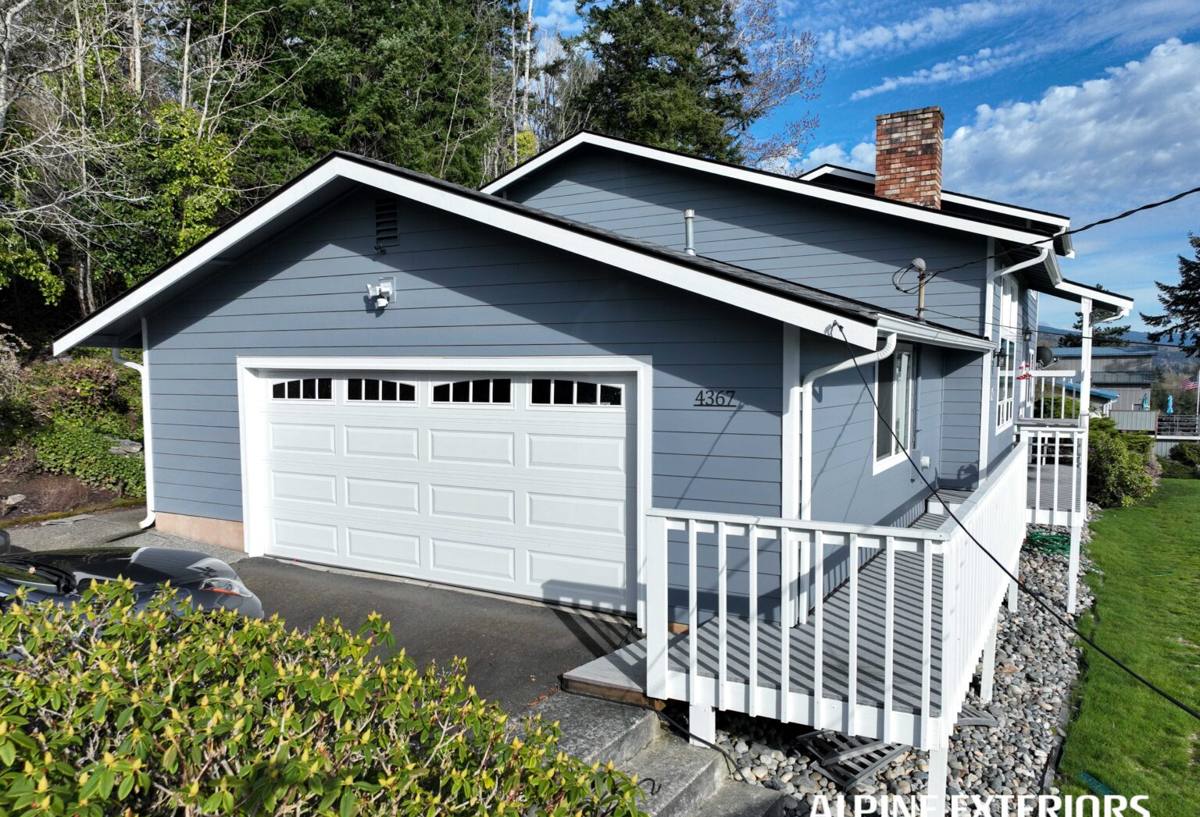
What This Climate Does to a Deck Over Time
Three things drive almost every deck problem we see in this area:
- Salt air: even homes that aren't waterfront get airborne salt exposure here, which accelerates corrosion on fasteners, hardware, and any metal connectors that aren't rated for it.
- Driving rain: wind-driven rain gets up under railings, into end grain, and behind ledger boards — areas that a light, straight-down rain would never reach.
- Extended moss season: shaded and low-airflow decks in this area can stay damp for weeks at a time, which is exactly what moss and algae need to establish and what accelerates wood rot underneath.
None of these are dramatic on their own. Together, over a few seasons, they're the reason we get called out to decks that are only five or six years old with soft boards, rusted-out screws, or a ledger connection that's been quietly rotting behind the flashing.
Sun, Shade, and Airflow on Your Lot
Where your deck sits relative to the house and tree cover matters more here than in a drier climate. A deck tucked under fir cover or on the north side of a house dries out slower after every rain, which stretches the moss season on that specific deck even if a neighbor's sunnier deck stays relatively clean. We factor this into material choices and board spacing during design, not as an afterthought.
Choosing Decking Material for This Environment
There's no single "best" decking material — there's the right material for your budget, your maintenance appetite, and how exposed your particular lot is. Here's how the common options actually compare once you account for salt air and a long wet season:
| Material | Moisture/Salt Behavior | Maintenance | Typical Lifespan Here |
|---|---|---|---|
| Pressure-treated fir/hem-fir | Decent if sealed regularly; end grain and fastener holes are the weak points | Re-seal or stain every 1–2 years | 10–15 years with upkeep |
| Cedar | Naturally rot-resistant, but surface still needs protection from driving rain | Oil or stain every 1–2 years | 15–20 years with upkeep |
| Composite decking | Doesn't absorb moisture like wood; some boards can still hold surface moss if not cleaned | Occasional wash; no staining | 25+ years (per manufacturer warranty) |
| PVC decking | Fully moisture-resistant surface; best resistance to prolonged dampness | Occasional wash | 25+ years (per manufacturer warranty) |
We install all of the above. Our default recommendation for a shaded or exposed California Creek lot is composite or PVC decking specifically because it removes moisture absorption as a variable — the substructure and fasteners still need to be done right, but the deck surface itself stops being the thing you're fighting every spring.
Why We're Selective About Certain Wood Products
We'll install standard pressure-treated or cedar decking when that's what a homeowner wants or the budget calls for it — both are legitimate choices. Where we push back is on lower-grade or improperly kiln-dried lumber sold as deck boards, because in a climate this wet, inconsistent wood takes on moisture unevenly and cups or splits faster than it should. That's a lumber-quality issue, not a brand issue, and it's worth asking about regardless of who you hire.
What a Correct Build Involves Below the Surface
The decking material gets the attention, but most deck failures we're called to repair start underneath — in the framing, the ledger connection, or the hardware. For a deck to hold up through repeated Whatcom County winters, a few things need to be right from the start:
Ledger Attachment and Flashing
Where the deck attaches to the house is the single most common failure point on any deck, anywhere, and it's made worse by driving rain. Proper flashing — installed so water sheds out and away from the house band board, not just tucked in behind the siding — is non-negotiable on our builds. A poorly flashed ledger is invisible until the rot behind it isn't.
Footings and Frost Depth
Footings need to be sized and set to local frost depth and soil conditions, not guessed at. Undersized or shallow footings are one of the most common corners cut on budget deck builds, and they're expensive to fix after the fact because it means partially disassembling the deck.
Fasteners and Hardware
Given the salt air in this area, we use stainless steel or high-grade coated fasteners and connectors rated for coastal exposure, not standard hot-dipped galvanized hardware. It costs more up front. It's also the difference between hardware that's still sound in ten years and hardware that's staining the decking rust-orange in three.
Board Spacing and Drainage
Gapping between boards needs to account for wet-season swelling and give water an actual path off the deck surface and away from the framing below. Tight, non-vented framing traps moisture against joists — exactly the setup that grows rot fastest in a climate like this.
Our Process for a California Creek Deck
- On-site walkthrough: we look at sun exposure, drainage, existing structure (for rebuilds), and how the deck will actually be used before talking materials.
- Design and material selection: honest recommendations based on your budget and how much upkeep you want to do, not a single pre-set package.
- Permitting: we handle or help coordinate the Whatcom County permit process where one's required for your project.
- Demo and framing: old structure removed if needed, footings and framing built to spec, ledger flashing done correctly.
- Decking, railing, and finish work: installed with attention to fastening, gapping, and drainage details covered above.
- Final walkthrough: we go over care and maintenance specific to the material you chose and your lot's exposure.
Moss, Algae, and Long-Term Deck Care
Even a well-built deck needs some seasonal attention in this climate. What that attention looks like depends heavily on the material, but the basics are the same across the board:
- Sweep debris off the deck regularly through fall — wet leaves sitting on boards is one of the fastest ways to start a moss patch.
- Clean surface moss and algae with a deck-safe cleaner before it gets a foothold; once established, it holds moisture against the board underneath.
- Check railings and stair connections annually for movement — loose hardware is often the first sign of a fastener issue, not a design issue.
- Keep gutters and downspouts near the deck clear so runoff isn't dumping directly onto or under the structure.
- For wood decks, don't let a stain or sealer job go more than two seasons without a check — once the finish fails, the wood underneath is exposed to every rain until it's redone.
Permits and Local Requirements
Most attached decks and many freestanding decks above a certain height require a building permit in Whatcom County — the specifics depend on the project and current code, so we confirm what applies to your build before work starts rather than assume. Setback requirements can also come into play depending on how close a lot sits to the creek or property lines. We'd rather sort this out up front than have a homeowner deal with it after the fact.
What a New Deck Typically Costs
Every deck is different, but these are the main factors that move the price up or down:
| Factor | Why It Matters |
|---|---|
| Decking material | Composite/PVC costs more upfront than wood but less in maintenance over time |
| Size and height | Larger decks and multi-level or elevated decks need more framing and footings |
| Railing style | Cable, glass, and composite railing systems cost more than standard wood or metal baluster railing |
| Site access and demo | Removing an old deck or working around tight access adds labor time |
| Permit and engineering needs | Elevated or attached decks may need engineered footing or connection details |
We give a specific number after seeing the site — square footage alone doesn't tell the whole story on a lot like the ones around California Creek, where exposure and access vary a lot from one property to the next.
Why Local Experience Matters for This Job
A deck built by someone who hasn't worked this specific stretch of Whatcom County will often default to generic specs — standard galvanized hardware, standard board spacing, whatever framing detail works fine in a drier inland town. None of that is wrong in general. It's just not matched to a lot that deals with salt air and a moss season this long. We've built and repaired enough decks around Custer and California Creek to know which details actually matter here versus which ones are just upsells, and we'll tell you honestly which is which for your project.
If you're planning a new deck or need an honest look at one that's showing its age, we're happy to come out, walk the site, and give you a straight answer on what it needs. Reach out through the form below for a free, no-pressure estimate.