 Custer
 Why Blaine Siding Takes a Different Kind of Beating
Blaine sits about as close to open water and the international border as a Whatcom County home can get, and that location shapes what happens to exterior siding here. Salt-laden air off the water works into seams, fasteners, and any exposed edge, accelerating corrosion and finish breakdown in ways that inland Custer properties don't experience as severely. Add in wind-driven rain that comes in sideways during winter storms, rather than falling straight down, and you get water intrusion at wall penetrations, window trim, and butt joints that a lot of siding was never detailed to handle.
Then there's moss. Whatcom County's long wet season, with month after month of overcast, damp conditions, gives moss and algae plenty of time to establish on north-facing walls, under eaves, and anywhere siding stays shaded and moist. Moss holds water against the surface long after a storm has passed, which is exactly the condition that rots wood-based siding and delaminates weaker composites. None of this means Blaine homes are doomed to constant repair — it means the repair work has to actually account for the exposure, not just patch what's visible and hope.
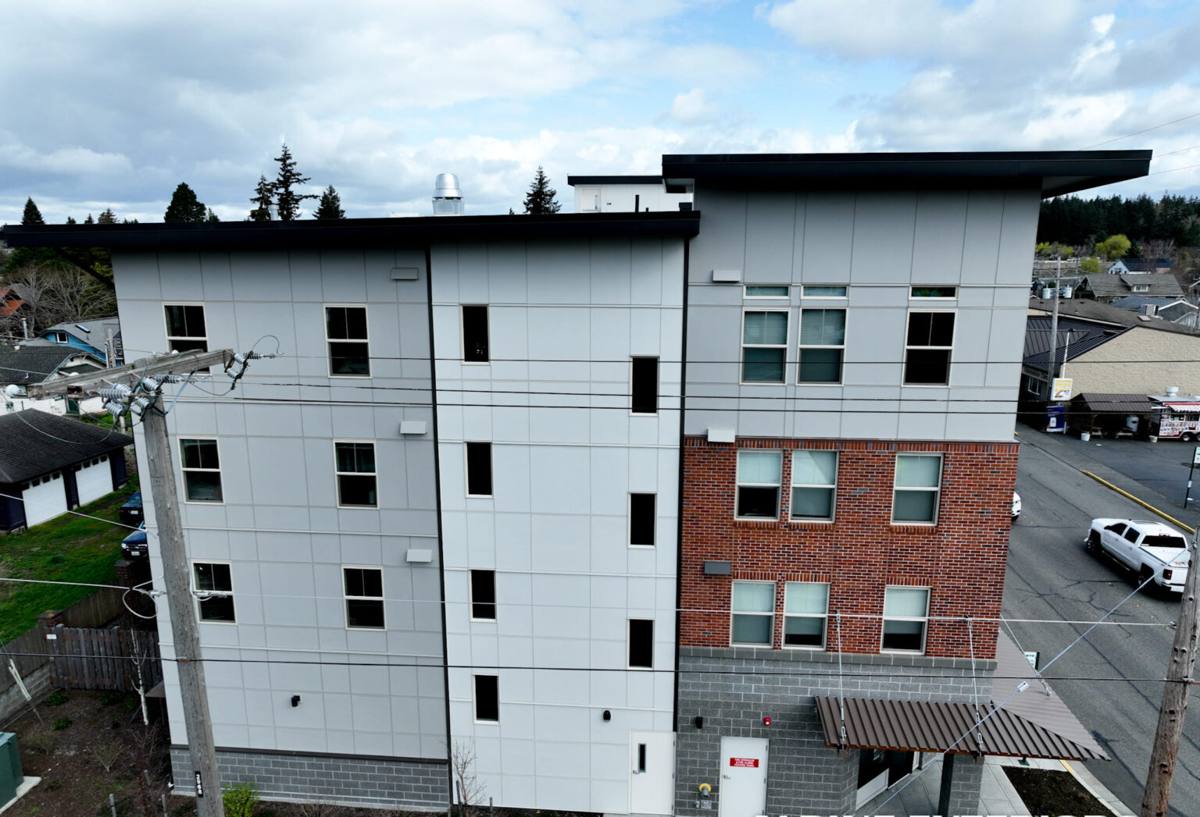
Signs a Blaine Home Needs Siding Repair
Most siding problems don't show up as obvious holes or missing boards. They show up as small, easy-to-dismiss changes that indicate water or organic growth is already working behind the surface. Homeowners in this area should walk the exterior at least once a year, ideally after the wettest stretch of winter, and look for:
- Soft or spongy spots when you press on siding near the bottom courses or around window and door trim
- Visible cracking, buckling, or separation at panel joints and corners
- Persistent moss or dark algae staining that keeps returning within a season or two of cleaning
- Paint or finish that's peeling, bubbling, or chalking unevenly, especially on the north and west-facing walls that catch the most driving rain
- Gaps opening up around trim boards, window casings, or where siding meets the foundation
- A musty smell or visible staining on interior walls that back up to exterior siding
- Fastener heads showing rust streaks or backing out of the surface
Any one of these on its own might be minor. Several together, especially on the sides of the house that take the worst of the weather off the water, usually means moisture has been getting behind the siding for a while and the repair needs to address the cause, not just the symptom.
What a Correct Siding Repair Actually Involves
Diagnosing the Moisture Path First
The most common mistake in siding repair is replacing the damaged boards without figuring out how water got behind them in the first place. A section of rotted or delaminated siding is usually a symptom of a failed flashing detail, a caulk joint that gave out, or a grading issue directing water at the wall. Repairing the visible damage without correcting the entry point means the same failure shows up again in a year or two, often worse.
Matching Material and Profile
Repairs need to match the existing siding's profile, reveal, and texture closely enough that the patch doesn't stand out and doesn't create a new weak point at the transition. This is straightforward when the home already has James Hardie fiber cement siding in a common profile, and it gets harder — sometimes impossible to match well — with older or discontinued products. In those cases, a full section or elevation replacement is often the more honest answer than a patch that will always look and perform differently than the surrounding wall.
Rebuilding Water Management, Not Just Cosmetics
A correct repair re-establishes proper flashing at windows, doors, and any wall penetration in the repaired area, uses the right fastener type and spacing, and restores the drainage plane behind the siding so water that does get past the surface can still get out. Caulking over a gap without addressing what's behind it is a cosmetic fix, not a repair, and it tends to fail again fast in a climate that stays wet as long as this one does.
Repair or Replace: How We Help Blaine Homeowners Decide
| Situation | Repair Usually Makes Sense | Replacement Usually Makes Sense |
|---|---|---|
| Damage extent | Isolated to one or two wall sections | Recurring across multiple elevations |
| Underlying cause | Single identifiable flashing or caulk failure | Systemic issue: bad original install, wrong product for exposure |
| Siding age and material | Existing James Hardie siding in good condition elsewhere | Aging wood, vinyl, or discontinued composite nearing end of life |
| Moss/algae pattern | Occasional buildup, cleans up and stays clean | Persistent regrowth signaling constant moisture retention |
| Match quality | Profile and color still available or close enough | No reasonable match exists |
We'll always tell a Blaine homeowner honestly which side of that table their home falls on. A repair that's done right can add years of service life at a fraction of replacement cost. But we won't talk someone into patching a wall that's going to need the same work again next winter — that's a worse outcome for everyone, including us, since we're the ones coming back.
Our Repair Process
1. On-Site Inspection and Honest Diagnosis
We walk the affected areas, check moisture levels where we can, and look at what's happening behind the visible damage — flashing, house wrap, trim details — before recommending anything. This is also when we tell you plainly if what you're describing as a "repair" is really pointing at a bigger issue.
2. A Clear, Written Scope
You get a plan that spells out exactly what's being removed, what's being rebuilt behind the siding, what material is going back up, and why. No vague line items.
3. Careful Removal and Water Management Repair
We remove only what needs to come off, protect the surrounding siding and landscaping, and correct the flashing, sealant, or drainage issue that caused the damage before any new siding goes back up.
4. Matching Reinstallation
New siding is installed to match the existing reveal and finish, fastened correctly for the exposure, and finished with factory or field-matched color so the repair blends rather than standing out as an obvious patch.
5. Final Walkthrough
We go over the completed work with you, point out what was fixed and why, and flag anything else on the exterior worth keeping an eye on going forward.
Why We Repair With James Hardie — Not Whatever's on the Truck
We install James Hardie fiber cement exclusively, and that applies to repair work as much as full replacements. When a repair calls for new material, patching in vinyl, LP SmartSide, or a different composite next to existing Hardie siding creates a mismatched wall with two products aging, expanding, and weathering at different rates — a maintenance headache waiting to happen. Hardie's fiber cement is non-combustible, holds its ColorPlus factory finish far longer than field-painted alternatives, and is engineered in HZ5 formulations built specifically for wetter, harsher climates like this one. For a coastal Whatcom County property dealing with salt air and near-constant winter moisture, that durability isn't a marketing point — it's the difference between a repair that lasts and one you're paying for again in a few years.
When an existing home has non-Hardie siding and needs repeated repairs, we'll say so directly: sometimes the honest recommendation is a phased or full transition to Hardie rather than continuing to chase patches on a product that wasn't built for this exposure in the first place.
Why It Matters That We Already Work Blaine
Siding repair done wrong in a mild, dry climate might get away with cut corners. Siding repair done wrong here doesn't — the driving rain and long moss season expose bad flashing details and mismatched materials fast. Working out of Custer means we're already familiar with how homes in this stretch of Whatcom County are exposed: which elevations take the worst of the water-driven rain, how quickly moss reestablishes on shaded walls near the coast, and what a proper repair needs to hold up through another wet season rather than just look finished on the day we leave. That local familiarity shows up in the diagnosis stage more than anywhere else — knowing what typically causes damage in this area means less guessing and a repair that actually addresses the cause.
What Blaine Homeowners Can Do Between Now and a Repair
- Keep gutters and downspouts clear so water isn't overflowing directly onto siding below
- Trim back vegetation and tree cover that keeps walls shaded and damp longer than necessary
- Gently rinse visible moss and algae buildup before it spreads, without pressure-washing aggressively into seams
- Note any soft spots, cracking, or recurring staining and have them looked at before the next wet season rather than after
- Avoid caulking over visible gaps yourself as a permanent fix — it can trap moisture behind the siding if the underlying issue isn't addressed
If you're noticing any of the warning signs above, or you just want a straight answer on whether a section of siding needs a repair or something bigger, we're glad to take a look. Estimates are free and there's no pressure either way — we'll tell you what we see and what we'd recommend, plain and simple.