 Custer
 Building New in Semiahmoo? The Windows Deserve as Much Attention as the Foundation
If you're framing a new home or a major addition on the Semiahmoo side of Custer, the window package is one of the few parts of the build that has to get everything right on the first try. Once the siding, trim, and interior finishes go on, a poorly flashed or undersized window opening becomes a problem that's expensive to fix and easy to hide until it's already causing damage. New-construction window work is different from a retrofit or replacement job — you're building the water management system into the wall from scratch, not working around what's already there. Out here near the water, that first-try accuracy matters more than most places in Whatcom County.
Semiahmoo sits close enough to the shoreline that salt-laden air, driving rain off the Strait, and a long stretch of damp, low-sun months are just part of the building envelope's daily reality. Windows and their surrounding wall assembly take that weather straight-on. New construction gives us the chance to build the opening correctly the first time — proper flashing sequence, the right window for the exposure, and installation details that keep water moving out instead of in.
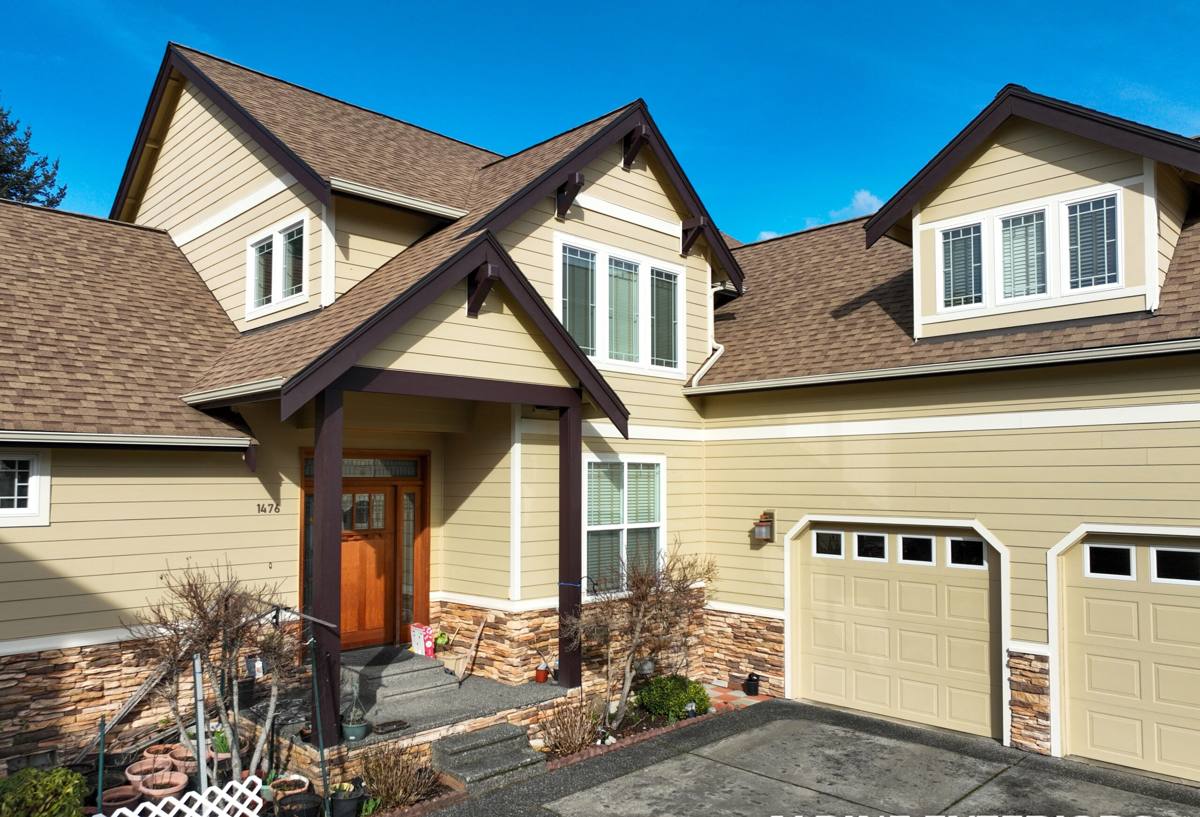
New-Construction Windows vs. Replacement: Why the Distinction Matters
New-construction windows have a nailing fin (sometimes called a flange) that gets fastened directly to the wall sheathing before the weather-resistive barrier and siding go on. That fin is what ties the window into the building's drainage plane. Replacement windows, by contrast, are built to fit into an existing frame without disturbing the siding around it — a different product for a different situation.
Building new means we're not compromising. We get to install the window as the manufacturer's flashing details actually intend, integrate it with the housewrap or weather barrier in the correct shingle-lap order, and set the rough opening dimensions precisely rather than working around whatever gap already exists. That's a real advantage — but only if the crew doing the work treats it that way instead of rushing the install because "it's easier on new construction."
What Can Go Wrong Even on a Brand-New Wall
- Rough openings cut too large, leaving gaps that get packed with excess sealant instead of proper shims and backer rod
- Flashing tape applied out of sequence, so water runs behind the layer below instead of over it
- Sill pans skipped or improvised, leaving no back-dam to stop water that gets past the window from reaching the sheathing
- Nailing fins fastened but not sealed at the corners, where most window leaks actually start
- Window selected for looks or price without regard to wind-driven rain exposure on that specific elevation
What the Semiahmoo Climate Actually Asks of a Window Install
Semiahmoo's exposure to the Strait of Georgia means wind-driven rain hits some elevations of a home far harder than others, and salt air accelerates corrosion on hardware and fasteners that aren't rated for it. Add Whatcom County's long moss season — months of shade, moisture, and low airflow on north- and west-facing walls — and you've got a building envelope that needs every layer doing its job, not just the window itself.
None of that is exotic engineering. It's disciplined, ordinary building science applied consistently: proper sill pan flashing with a back dam, correctly lapped water-resistive barrier, sealant only where it belongs (never as a substitute for flashing), and fasteners and hardware rated for coastal exposure. The window unit is only as good as the opening it's set into.
Elevations That Need Extra Attention
On a Semiahmoo build, we pay closer attention to whichever elevations face the open water and prevailing weather — those walls see more wind-driven rain than the sheltered sides of the same house. That doesn't mean upgrading every window on the house; it means matching flashing detail and, where it makes sense, window performance rating to actual exposure rather than applying one spec to every opening.
Our New-Construction Window Process
We work new-construction windows in the same sequence every time, because skipping steps is where leaks start — often years after the drywall is finished, when nobody remembers what happened at the sill.
- Rough opening check. We verify the framed opening against the window's actual manufactured dimensions before anything gets installed — not after.
- Sill pan flashing. A sloped sill pan with a back dam goes in first, so any water that gets past the window in the future drains back out, not into the wall.
- Weather-resistive barrier integration. Housewrap or weather barrier gets cut and lapped in the correct shingle order — each layer overlapping the one below it, so water always runs down and out.
- Window set and fastened. The unit is set plumb, level, and square, shimmed correctly, and fastened per the manufacturer's schedule — not just enough nails to hold it in place.
- Flange sealing and flashing tape. Jamb and head flashing go on in sequence, sealing the nailing fin to the wall without trapping water behind it.
- Interior and exterior air seal. Low-expansion foam or backer rod and sealant at the interior gap, with the exterior left able to drain and dry.
- Final inspection before siding covers it. This is the last point anyone can see the flashing work directly, so we check it before it disappears behind trim and siding.
Choosing the Right Window for a Coastal Whatcom Build
Frame material, glazing, and hardware all affect how a window holds up to salt air and constant damp. There's no single right answer for every home — it depends on exposure, budget, and how the rest of the exterior is finished — but the trade-offs are worth understanding before you order windows for the whole house.
| Frame Material | Coastal / Moisture Performance | Maintenance | Typical Trade-Off |
|---|---|---|---|
| Vinyl | Good — won't corrode or rot, handles moisture well | Low | Fewer color/finish options; frame flex on very large units |
| Fiberglass | Very good — dimensionally stable, resists moisture and salt exposure | Low | Higher upfront cost than vinyl |
| Aluminum-clad wood | Good exterior protection, but any breach in the cladding exposes wood beneath | Moderate | Needs careful flashing and periodic inspection of clad seams |
| Bare wood | Poor in direct salt/moisture exposure without diligent upkeep | High | Best reserved for sheltered elevations, not open-water exposure |
We'll talk through frame and hardware options against your specific lot and elevations rather than pushing one product for the whole house — a shoreline-facing wall and a sheltered courtyard wall don't always need the same spec.
Hardware and Fasteners Matter Too
Salt air is hard on unprotected metal. Where budget allows, we favor stainless or coated fasteners and hardware for anything on exposed elevations, since standard hardware can start showing corrosion well before the window itself is due for any other attention.
Why Hire a Crew That Already Works Semiahmoo
A lot of window problems on new builds aren't the window's fault — they're installation details that were fine for a drier, more sheltered site but fall short right on the water. A crew that's done this work around Semiahmoo and the rest of coastal Custer knows which elevations need extra flashing attention before you even ask, understands how the moss and shade patterns on this stretch of Whatcom County affect long-term wall drying, and isn't guessing about wind-driven rain exposure from a spec sheet.
What to Look For When Vetting a Window Contractor for a Coastal Build
- Willing to walk the site and identify which elevations need extra flashing attention before quoting
- Uses a documented flashing sequence, not "sealant on everything" as the water management plan
- Can explain frame and hardware choices in terms of your specific exposure, not just price point
- Coordinates directly with your builder or GC on rough opening dimensions before framing is finalized
- Carries appropriate licensing and insurance, and will put the installation warranty in writing
Cost Factors on a New-Construction Window Package
Every build is different, so we won't quote a number without seeing the plans, but these are the variables that actually move the price on a Semiahmoo job.
| Factor | Why It Matters |
|---|---|
| Number and size of openings | Larger units and more openings mean more flashing detail work, not just more glass |
| Frame material | Vinyl, fiberglass, and clad-wood carry different material costs and install labor |
| Elevation exposure | Water-facing walls may warrant upgraded flashing details or hardware |
| Coordination with framing/siding trades | Tighter scheduling with your builder reduces exposed-opening time and rework |
| Site access | Waterfront and sloped lots can affect staging and equipment needs |
Timing It Right With Your Build
Windows go in after the wall sheathing and weather barrier are up but before siding starts — that window in the schedule is short, and rushing it to keep the build moving is exactly how flashing steps get skipped. We'd rather coordinate closely with your framer and siding crew ahead of time so the window install has the time it actually needs, instead of being squeezed into a half-day between other trades.
If you're planning a new build or addition in Semiahmoo, we're glad to walk the plans with you and talk through window selection and flashing details before framing locks in. Reach out for a free, no-pressure estimate using the form below.