 Custer
 Why Siding in Meridian Takes a Different Kind of Beating
Meridian sits in the same stretch of Whatcom County weather as Custer and the rest of our service area, and that weather is hard on exterior siding in ways that don't show up the same way further inland. The marine air off Puget Sound and the Strait of Georgia carries salt that settles on siding, fasteners, and trim year-round. Add in driving rain that comes in sideways during fall and winter storms, and you get moisture pushed into joints and seams that a calmer climate would never test. Then there's the moss: our long, mild, wet stretch from October through April gives moss, algae, and lichen months to take hold on north-facing walls, shaded siding, and anywhere air doesn't move freely.
None of this means siding is doomed here — it means siding has to be installed and repaired with this specific climate in mind. A repair that would hold up fine in a dry inland climate can fail within a season or two in Meridian if it doesn't account for wind-driven rain and constant moisture exposure. That's the standard we hold every repair to.
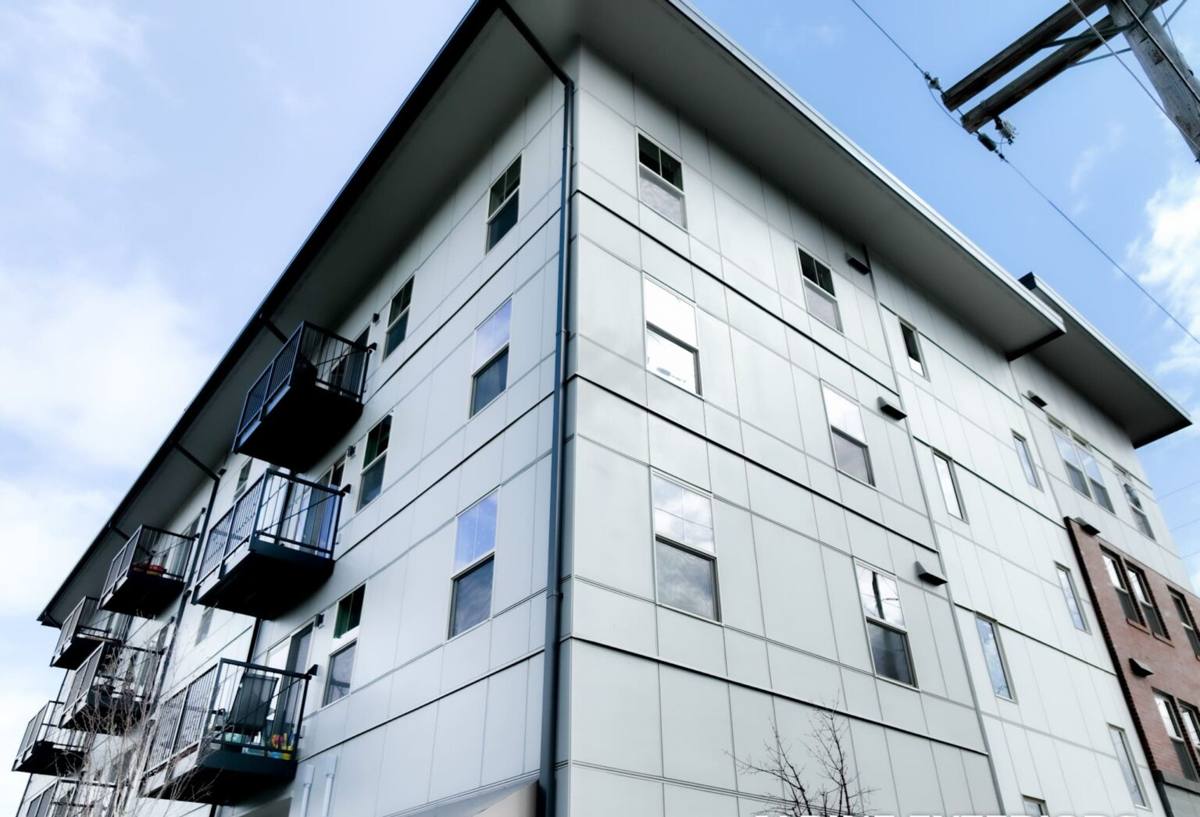
Signs Your Siding Needs Repair, Not Just a Wash
Some siding problems are cosmetic and some are structural. Knowing the difference matters because a soft-wash or a tube of caulk can hide a problem for a while without solving it. Watch for:
- Soft, spongy, or dented siding when you press on it — usually a sign of moisture that's already gotten behind the surface
- Persistent moss or dark staining that comes back within weeks of cleaning, especially on shaded or north-facing walls
- Cracked, split, or chipped boards, particularly near corners, outside faucets, and low-clearance areas near grade
- Nail heads or fastener heads that have popped, rusted, or streaked rust down the siding face
- Bowing, buckling, or gaps opening up at butt joints and panel seams
- Water stains or peeling paint below windows, at the roofline, or around trim boards
- Caulk that has cracked, shrunk, or pulled away from joints
- A musty smell or visible staining on interior walls that back up to exterior siding
What a Correct Repair Actually Involves
Diagnosing the real problem, not just the symptom
The most common mistake we see in past repair work isn't bad workmanship on the visible surface — it's fixing what's visible without finding what caused it. A cracked board gets patched, but the flashing above it that let water in year after year never gets addressed. A soft spot gets cut out and replaced, but the water-resistive barrier and sheathing underneath, which were also compromised, get covered back up wet. In Meridian's climate, that kind of shortcut just buys a year or two before the same spot fails again, usually worse.
A correct repair starts by pulling back enough siding to see what's actually happening behind it — the sheathing, the house wrap or building paper, the flashing at windows and penetrations, and the framing itself if there's been long-term moisture intrusion. We don't cut corners on the parts nobody sees, because those are the parts that determine whether the repair lasts.
Matching material, fastening, and clearances
Once the underlying issue is fixed, the visible repair has to be done to spec: correct fastener type and spacing (salt air accelerates corrosion on the wrong fasteners), proper clearance from grade, decks, and roof lines so water sheds instead of wicking back into the material, and butt joints and corners flashed or sealed the way the manufacturer specifies — not just caulked over and hoped for. On homes with existing fiber cement siding, we match the panel profile, exposure, and factory finish as closely as possible so a repair doesn't stand out as an obvious patch.
Common Repair Scenarios Around Meridian
| What we see | Likely cause | What the fix involves |
|---|---|---|
| Moss and dark staining on north or shaded walls | Long moss season, poor air movement, overhanging vegetation | Clean or replace affected sections, address the shade/airflow issue where possible, treat and monitor |
| Soft or rotted sections low on the wall | Insufficient clearance from grade, splashback, or a failed drainage plane | Cut out damaged material, correct clearance and drainage, rebuild with properly rated siding |
| Rust streaks below fastener heads | Wrong fastener type for coastal/salt-air exposure, or fasteners that have worked loose | Remove and refasten with corrosion-resistant fasteners at correct spacing |
| Cracked boards near corners or window trim | Impact damage, material fatigue, or improper original installation | Replace the damaged piece, verify flashing at the adjacent trim before closing it up |
| Buckled or gapped panels | Panels installed too tight with no room for expansion, or moisture swelling behind the surface | Reset or replace with correct gapping and fastening |
| Water stains below windows | Failed or missing flashing, deteriorated caulk at the window-to-siding joint | Re-flash the opening correctly, then rebuild the siding around it |
Repair or Replace? How We Help You Decide
Not every problem calls for full replacement, and we don't push replacement on a homeowner who has a repairable situation. But there's a point where patchwork repair stops making financial sense. We walk through it honestly with you, looking at:
| Factor | Leans toward repair | Leans toward replacement |
|---|---|---|
| Extent of damage | Isolated to one or two areas | Recurring in multiple spots across the house |
| Age of existing siding | Still well within its expected service life | Original material is near or past end of life |
| Condition of sheathing/WRB | Sound once the leak source is fixed | Widespread rot found once siding is opened up |
| Material currently installed | Repairable, matchable product still performing overall | Product prone to recurring issues (chronic moisture problems, chalking finish, discontinued match) |
| Homeowner's timeline | Wants to address specific problem areas now | Planning to stay long-term and wants to stop recurring repair calls |
Our Repair Process
- On-site inspection, including checking for moisture behind the siding, not just what's visible on the surface
- Diagnosis of the actual cause — flashing, clearance, fastening, or material failure — explained to you in plain terms
- A written scope of work with the repair approach and cost before anything is opened up
- Careful removal of damaged siding and inspection/repair of sheathing and the water-resistive barrier underneath
- Rebuild with correctly matched material, proper fastening, gapping, and clearance
- Finish work — caulking, painting, or color-matching as needed so the repair blends in
- Site cleanup and a walkthrough so you can see exactly what was done and why
Why We Rebuild Damaged Sections With James Hardie Fiber Cement
When a repair requires rebuilding a section of siding rather than patching what's there, we install James Hardie fiber cement — it's the only siding product we install, full stop. It isn't the only product on the market, and we're upfront about that: vinyl, LP SmartSide, and cedar all have a place and homeowners choose them for real reasons, often upfront cost. But for a coastal Whatcom County climate with salt air, driving rain, and a long wet season, we standardized on Hardie's HZ5 product line specifically because it's engineered for this kind of moisture exposure, it's non-combustible, and its ColorPlus factory finish holds up to UV and weather without the repainting cycle that other materials need.
That standard applies to repair work too. If we're rebuilding a section of your wall, we're not going to install a different material next to your existing siding just because it's faster — we'll talk through whether a full match, a transition, or a broader replacement plan makes the most sense for your home and your budget.
Why Hire a Crew That Already Works Meridian and Custer
Siding repair done by someone unfamiliar with this specific stretch of coastline is a gamble. A crew that mostly works drier inland climates may not think twice about clearance from grade, may use standard fasteners instead of ones rated for salt air, or may not recognize early moss and moisture patterns for what they are. A crew that already works Meridian, Custer, and the surrounding Whatcom County communities has seen these failure patterns repeatedly and knows what actually holds up here versus what looks fine for a year and then doesn't.
There's also a practical side: local knowledge of typical construction in older Whatcom County homes, familiarity with the county's permitting expectations, and being close enough to actually show up for a warranty check or a follow-up visit without it being a special trip.
Keeping Moss and Moisture From Coming Back After a Repair
A good repair buys you years, but a little upkeep buys you more. After any repair, it's worth keeping an eye on a few things specific to this climate:
- Keep gutters and downspouts clear so water is directed away from siding, not running down the wall face
- Trim back vegetation and tree limbs that shade siding and keep it damp longer than it needs to be
- Do a gentle annual soft-wash on north-facing and shaded walls before moss gets a strong foothold
- Check caulk joints at trim, windows, and butt joints once a year and re-caulk before they fail, not after
- Walk the exterior after major storms and note any new soft spots, stains, or loose fasteners early
If you're seeing any of the warning signs above, or you just want an honest opinion on whether your siding needs a repair or something more, we're happy to take a look. Fill out the form below for a free, no-pressure estimate.