 Custer
 Windows Built for Marietta's Coastal Conditions
Marietta sits close enough to the water that salt air is a daily fact of life, not an occasional nuisance. Add Whatcom County's long wet season, driving rain off the Strait, and months of low sun angle that keep moss thriving on anything that stays damp, and you've got a climate that is genuinely hard on windows. Cheap seals fail faster here. Aluminum frames pit and corrode faster here. Wood sashes that aren't detailed correctly rot faster here. None of that is theoretical — it's just what salt-laden moisture and constant rain cycles do to a window over years, not months.
Custom windows done right for a Marietta home means matching frame material, glazing, and installation detail to those specific stresses, not just picking whatever's in stock and caulking around the edges. That's the difference between a window that looks fine for two years and one that performs for two decades.
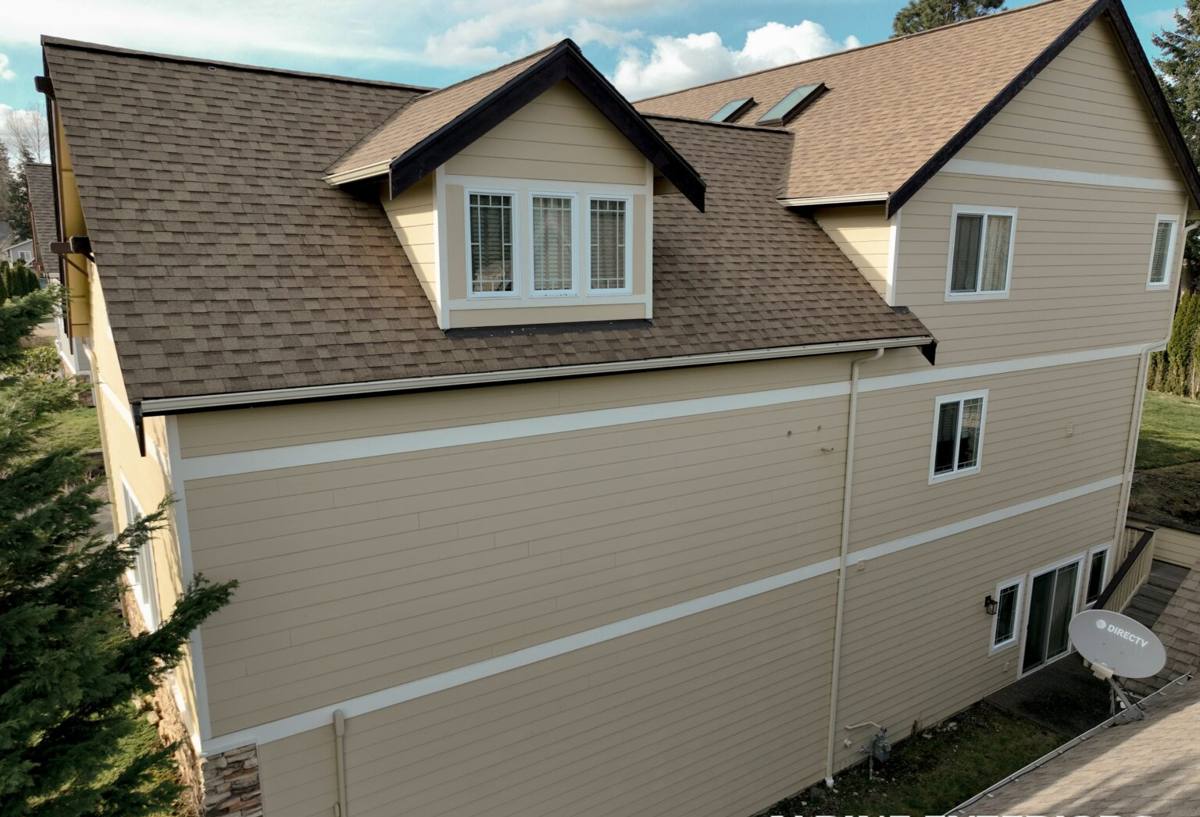
What "Custom" Actually Means Here
Custom doesn't have to mean unusual shapes or high-end architectural glass, though we do that too. For most Marietta homes, custom simply means the window is built to the actual opening — not a stock size the opening gets forced to fit. That matters more on older homes in this area, where original openings are rarely perfectly square after decades of settling and moisture cycling.
- Exact-fit sizing instead of shimming a stock unit into an out-of-square opening
- Frame material chosen for the specific exposure — a window facing prevailing wind-driven rain needs different detailing than a sheltered side wall
- Glazing package matched to orientation (sun exposure, wind load, and condensation risk all vary by which side of the house you're on)
- Trim and cladding profiles that match the home instead of a generic finish package
Why Fit Matters More Than Brand
Homeowners often ask which window brand is "best," but in this climate, correct fit and correct flashing do more for long-term performance than brand name does. A premium window installed with a poor seal will leak. A mid-range window installed correctly, with proper flashing and drainage, will often outlast it. We'll talk brand and material honestly, but we won't let that conversation distract from the installation detail that actually determines whether water gets in.
Signs Marietta Windows Are Losing the Battle
Because the damage from salt air and moisture is gradual, a lot of homeowners live with failing windows for years before they call anyone. Here's what we typically see first:
- Fogging or moisture between double-pane glass — the seal has failed and the gas fill is gone
- Soft or discolored wood at the sill or lower corners, often hidden under paint until it's pressed
- Visible pitting, chalking, or corrosion on aluminum frames near coastal-facing walls
- Green or black growth on the sill or lower sash that comes back within weeks of cleaning
- Drafts or a noticeable temperature difference near the window during a windstorm
- Windows that are difficult to open or that no longer latch flush
Any one of these can be a minor fix. Several together, especially moisture and soft wood, usually mean the window and the flashing behind it both need attention — patching the visible symptom without addressing what's happening in the wall cavity just buys a little time.
What a Correct Installation Involves
The window unit itself is maybe half the job. The other half — the part that actually keeps water out over 15-20 years in this climate — is the flashing, sealing, and drainage detail around it. This is where a lot of budget installs quietly cut corners, because it's invisible once the trim goes back on.
Our Standard Sequence
- Remove the old unit and inspect the rough opening, sill pan, and surrounding sheathing for hidden rot or prior water intrusion
- Repair or rebuild any compromised framing before anything new goes in — never install a new window over a soft sill
- Install or renew a proper sill pan flashing so any water that gets past the window drains back out, not into the wall
- Set the new window plumb, level, and square, with correct shimming so the frame doesn't rack under seasonal movement
- Integrate window flashing tape with the house wrap in the correct shingle-lap order — this single step is the most common source of leaks when skipped or done out of sequence
- Seal and insulate the gap between frame and rough opening with a product that stays flexible through our wet-to-dry seasonal swings
- Finish trim and touch-up, then test operation and check for square, level, and smooth latching
Skipping the flashing integration step is invisible on installation day and invisible for a year or two afterward — then it shows up as rot inside the wall that costs far more to fix than it would have to do right the first time.
Frame Material: What Holds Up Near the Water
| Material | Coastal/Salt Air Performance | Maintenance | Typical Fit |
|---|---|---|---|
| Vinyl | Good — won't corrode or rot, handles moisture well | Low; occasional cleaning | Most Marietta homes, best value |
| Fiberglass | Excellent — very stable in wet/dry cycling, resists warping | Low | Homes wanting longer service life or larger openings |
| Wood / Wood-Clad | Fair to good if detailed and finished correctly; vulnerable if seals or paint fail | Higher; needs periodic finish maintenance | Homes prioritizing a traditional look, owners willing to maintain it |
| Aluminum | Poor to fair — prone to pitting and corrosion in salt air over time | Moderate; watch for corrosion at joints | Generally not our first recommendation this close to the water |
We're not against wood or aluminum outright — both have a place — but we'll tell you plainly if a material is a poor match for a given wall's exposure rather than sell you something we know will underperform here. That's a professional judgment call based on how these materials behave in salt-laden, high-moisture conditions, not a knock on any manufacturer.
Glazing and Moss-Season Considerations
Whatcom County's long stretch of overcast, wet weather means windows spend more time damp than dry for a good chunk of the year. That affects two things: condensation and growth.
Condensation
A properly sealed, correctly glazed window shouldn't fog on the inside in normal use. If yours does, it's usually a sign of poor seal quality, an outdated glazing package, or ventilation issues in the room — we'll help you figure out which before assuming the window itself is the problem.
Moss and Growth on Sills
Moss needs shade and standing moisture to establish, and a window sill that doesn't shed water properly gives it exactly that. Correct sill slope and drainage — part of the installation detail above — go a long way toward keeping growth from getting a foothold in the first place, well before it's a scrubbing problem.
Cost Factors for Marietta Window Projects
| Factor | Why It Moves the Price |
|---|---|
| Number and size of openings | More or larger windows means more material and labor |
| Frame material | Vinyl, fiberglass, and wood-clad sit at different price points |
| Hidden rot or framing repair | Rebuilding a rotted sill or sheathing adds labor beyond the window itself |
| Glazing package | Upgraded glass for sun exposure or sound tends to cost more per unit |
| Trim and exterior finish | Matching existing trim profiles or cladding can add finish labor |
| Access and site conditions | Second-story or hard-to-reach openings take longer to stage and complete |
We won't quote a number without seeing the openings — a house with sound framing behind old windows is a very different job than one with hidden water damage. What we can promise is a written estimate that spells out what's included, so there are no surprise line items after the work starts.
Our Process, Start to Finish
- On-site assessment — we look at each opening, check for existing moisture or rot, and talk through what you actually need versus what's optional
- Written estimate — material options, scope, and price laid out clearly before any commitment
- Precise measurement — every opening is measured individually; nothing is assumed to match
- Installation — following the sequence above, with flashing and drainage treated as non-negotiable steps, not optional extras
- Walkthrough — we test every window with you before we consider the job done
- Cleanup — old units and debris hauled off, work area left clean
Why Local Experience in Marietta Matters
A crew that's already worked this stretch of Whatcom County knows which walls in this area tend to take the worst of the wind-driven rain, how far salt exposure typically reaches inland from the water, and how long moss takes to establish on an under-draining sill in this particular climate. That's not something you get from a general contracting background in a drier region — it comes from doing this work, on homes like these, in these conditions, repeatedly.
It also means we're not guessing at what "correct" flashing detail looks like for Custer-area weather patterns — we've seen what fails here and we build against those specific failure points as standard practice, not as an upsell.
Keeping New Windows Performing Long-Term
- Rinse salt residue off frames and glass periodically, especially after storms
- Keep sills clear of leaves and debris so water drains rather than pools
- Check exterior caulking annually and touch up any cracking before wet season
- Address any moss or algae on sills promptly rather than letting it establish
- Operate windows through the full range of motion occasionally to keep hardware and weatherstripping in good working order
- Have wood-clad windows' exterior finish inspected on the schedule the manufacturer recommends
If your windows are showing any of the signs above, or you're simply ready to stop fighting drafts and fog every winter, we're happy to take a look. Reach out for a free, no-pressure estimate using the form below — we'll assess your home's specific exposure and give you an honest read on what it actually needs.