 Custer
 Building a Deck That Can Handle Sumas Weather
Sumas sits close enough to the water and low enough in the valley that decks here take a beating most homeowners don't expect until it's already happened. Salt-tinged air drifting in off the Strait, long stretches of driving rain through fall and winter, and a moss season that seems to start earlier every year — all of it works against a deck surface day after day, even when nobody's standing on it. Composite decking, installed correctly for this specific climate, is one of the few deck surfaces that holds up to that combination without demanding constant upkeep.
This page is about one job in one place: composite deck installation for homes in and around Sumas. Not a general decking overview, not a sales pitch for a brand — just what actually matters for a deck built at this end of Whatcom County.
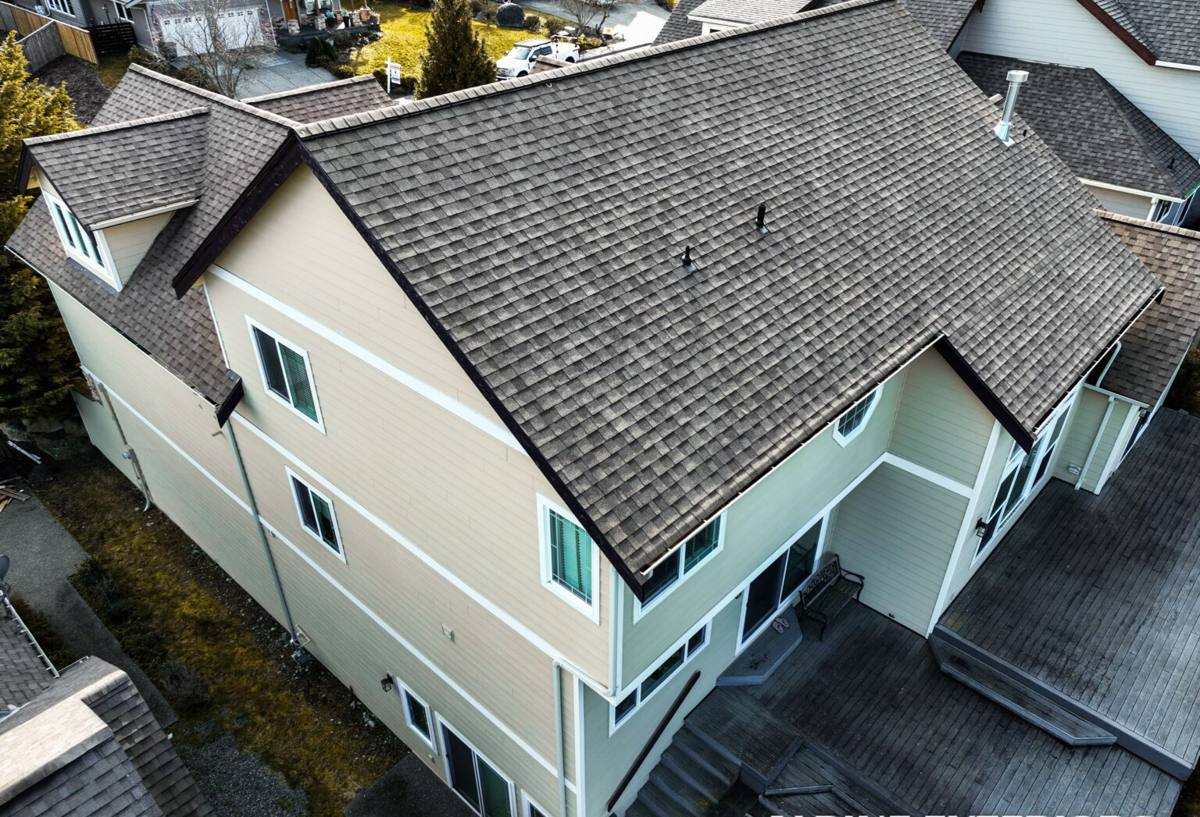
What the Local Climate Actually Does to a Deck
Salt Air and Moisture
Even well inland from the coast, moisture-laden air carries enough salt and humidity to accelerate corrosion on fasteners, hardware, and any metal flashing that isn't rated for it. Over a few seasons, cheap or mismatched fasteners can streak, weaken, or loosen — and once a fastener fails, water gets a path into the structure underneath the decking, not just the surface itself.
Driving Rain
Whatcom County doesn't get gentle, straight-down rain most of the year — it comes sideways, pushed by wind off the water. That means water gets driven into board seams, under railings, and against the house at the ledger board far more aggressively than a dry-climate installation ever accounts for. A deck built without real attention to drainage and flashing at that ledger connection is the single most common source of hidden rot we find on older decks in this area.
Moss and Organic Growth
Shade, moisture, and mild temperatures are exactly what moss and algae need, and a Sumas-area deck can carry visible growth for eight or nine months of the year if it isn't detailed for airflow and drainage. Moss holds moisture against the board surface constantly, which is a bigger long-term problem than most homeowners realize — it's not just cosmetic, it changes how much water sits on the deck surface and for how long.
Why Composite Makes Sense Here
Wood decking can absolutely be done well, but it asks for a level of annual maintenance — sealing, staining, moss treatment — that a lot of busy households can't keep up with, especially with our wet season running as long as it does. Composite decking, when it's a genuine capped composite product and not a cheap uncapped board, resists moisture absorption, doesn't need sealing or staining, and holds up to moss and mildew far better than untreated or even treated wood.
That doesn't mean composite is maintenance-free — nothing exposed to Whatcom County weather truly is — but it shifts the maintenance burden from "seasonal chore" to "occasional cleaning," which matters a lot when the rainy season here runs half the year.
| Factor | Wood Decking | Capped Composite |
|---|---|---|
| Annual sealing/staining | Usually required | Not required |
| Moisture absorption | Higher — swells, checks, splinters over time | Low — capped shell resists water intrusion |
| Moss/algae resistance | Depends heavily on maintenance | Better resistance, still needs periodic cleaning |
| Upfront material cost | Lower | Higher |
| Long-term cost over 15-20 years | Higher — repairs, refinishing, board replacement | Lower — mainly cleaning and hardware checks |
| Fastener/hardware sensitivity | Moderate | High — must match the manufacturer's hidden-fastener system |
What a Correct Composite Installation Actually Involves
Composite decking is less forgiving of a rushed or generic installation than wood is. Because it doesn't dry out the way wood does, any mistake in the framing or drainage underneath it gets sealed in rather than aired out. A correct job in this climate includes several things that aren't optional:
Framing and Structure
The joists underneath need to be sized and spaced for the specific composite product going on top — composite has different span ratings than wood decking, and installing it on framing built for standard lumber spacing can lead to bounce or long-term sagging.
Joist Protection
Joist tape or an equivalent moisture barrier over the top of every joist is essential here. It's a small material cost that prevents water from wicking into the framing at every fastener point — the exact failure mode driving rain causes when it's ignored.
Drainage and Ventilation
Composite boards need airflow underneath to dry properly and to keep moss and mildew from taking hold on the underside. That means correct board spacing, attention to grade and slope away from the house, and keeping skirting or under-deck areas from trapping standing moisture.
Ledger Board Flashing
Where the deck attaches to the house is the highest-risk point for water intrusion into the structure itself. Proper flashing, integrated correctly with the house's existing siding and weather barrier, isn't a step we skip to save time.
Fastener System
Composite boards are installed with hidden fastener systems specific to each manufacturer, not generic screws. Using the wrong fastener type can void the product warranty and, in our marine-influenced air, corrode faster than a matched system designed for the board.
Our Process for a Sumas Composite Deck
- On-site assessment — we look at existing framing (if replacing an old deck), grade and drainage around the house, sun/shade exposure, and how the deck ties into your siding and roofline.
- Framing evaluation and repair — any undersized, rotted, or improperly spaced framing gets addressed before a single composite board goes down. Building on a compromised structure defeats the point of upgrading the surface.
- Moisture management build-out — joist tape, correct flashing at the ledger, and drainage detailing happen before the visible decking is installed.
- Board installation — hidden fastener system matched to the product, correct spacing for expansion and drainage, and clean edge/border detailing.
- Railing and finish work — railings, stairs, and fascia installed to match, with the same attention to fastener compatibility and water management.
- Walkthrough — we go over basic care with you before we leave, including what to expect through your first wet season on the new deck.
Choosing the Right Composite Board
Not all composite decking is built the same, and this is where a lot of homeowners get steered wrong. A few things worth understanding before choosing a product:
- Capped vs. uncapped composite — a fully capped board has a protective shell around the core that resists moisture and staining far better than older uncapped composite products, which can absorb water and grow mold at the core over time.
- Color and heat — darker composite boards absorb more heat in direct sun, which matters less here than in drier climates but is still worth considering for south- or west-facing decks that get real summer exposure.
- Grooved vs. solid edge boards — grooved-edge boards work with hidden fastener systems for a clean look; solid boards are sometimes used at borders or stair treads where a face-screwed finish is needed.
- Warranty structure — composite warranties vary significantly between manufacturers on fading, staining, and structural integrity. Read what's actually covered, not just the length of the warranty period.
Ongoing Care, Realistically
Composite is lower-maintenance than wood, not maintenance-free. In a climate that grows moss on nearly everything outdoors, a little regular attention goes a long way toward keeping a composite deck looking and performing the way it should for decades.
- Sweep off leaves, needles, and debris regularly, especially in fall — trapped organic matter holds moisture against the board surface.
- Rinse the deck periodically with a hose or low-pressure wash to keep pollen, dirt, and early moss growth from taking hold.
- Keep gutters and downspouts near the deck clear so runoff isn't dumping extra water onto or under the deck surface.
- Check railing posts and stair connections once a year for looseness, since fastener hardware is the first thing affected by our moist, salt-tinged air.
- Trim back overhanging vegetation to cut down on shade and debris that feed moss growth on the deck surface.
Why Local Experience Matters for This Job
A composite deck built to a generic spec sheet, without accounting for how water actually moves through a Sumas property in November, tends to reveal its shortcuts within a few wet seasons — moss creeping in around fasteners, soft spots at the ledger, boards that never fully dry between rain events. A crew that already works Whatcom County knows to build in the drainage, flashing, and airflow details that this specific climate demands, not just the ones a manufacturer's install guide lists as optional.
That local familiarity also means fewer surprises during the project itself — knowing how the area's soil drains, how existing decks in the neighborhood were typically built, and what kind of moisture load the structure underneath actually needs to handle.
Get a Straightforward Estimate
If you're weighing a new composite deck or replacing an aging wood deck at your Sumas home, we're happy to take a look and give you an honest read on what the job actually involves — no pressure, no inflated scope. Use the form below to request a free estimate.