 Custer
 Board & Batten in a Shoreline Community
Marietta sits close enough to the water that homes here deal with a different set of siding problems than houses ten miles inland. The vertical lines of board and batten siding have always suited this stretch of Whatcom County — they read as a natural fit for the fishing-town character around Lummi Bay and the working waterfront nearby. But the same style that looks right on a Marietta home also has to survive salt-laden air, wind-driven rain coming off the water, and a moss season that runs longer here than it does even a few miles south in Bellingham.
This page is about doing board and batten correctly for that specific environment — not generic siding advice, but what actually matters when you're installing vertical siding on a home that sits within a few miles of saltwater in Whatcom County.
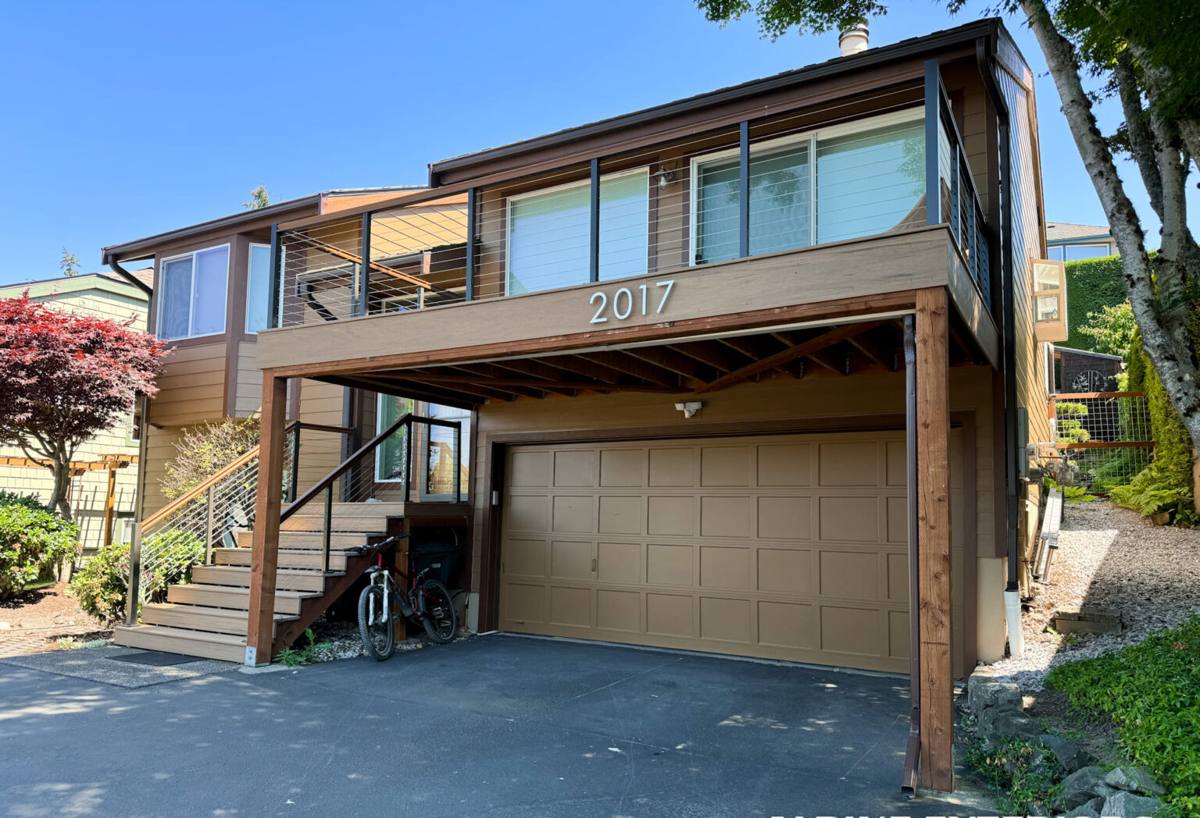
What Marietta's Climate Does to Vertical Siding Over Time
Salt Air and Fastener Corrosion
Homes closer to Lummi Bay and the open water take on airborne salt that settles on every exterior surface, including fasteners. Board and batten siding depends on two layers of fastening — the boards and the battens over the seams — which means twice the fastener count of standard lap siding. If those fasteners aren't corrosion-rated for a marine-influenced environment, you get rust streaking through the paint film and eventually fastener failure, long before the siding material itself is worn out.
Driving Rain and Water Management
Vertical board and batten relies entirely on the batten overlapping the board seam to shed water. When wind drives rain sideways — which happens regularly along this part of the Sound — water gets pushed up under battens and into seams that aren't detailed correctly. Unlike lap siding, where gravity does most of the work, board and batten needs a weather-resistive barrier and flashing detail that assumes wind-driven water will find every gap.
Moss, Shade, and a Long Wet Season
Whatcom County's wet season runs long, and homes with tree cover or north-facing walls in Marietta hold moisture for months at a stretch. Moss doesn't just look bad — it holds water against the siding surface and, on the wrong material, accelerates rot at board edges and batten joints. Vertical siding actually helps here because it sheds standing moisture better than horizontal lap in shaded spots, but only if the material underneath the finish doesn't absorb that moisture in the first place.
What a Correct Board & Batten Job Actually Involves
Board and batten looks simple from the street, but it's less forgiving of shortcuts than lap siding because every seam is a potential water path. A correct installation includes:
- A continuous weather-resistive barrier behind the siding, lapped and taped so water that does get past the battens has somewhere to go besides your sheathing
- Rain screen or furring strips to create a drainage gap behind the siding — critical in a climate this wet, and non-negotiable on shaded or north-facing walls prone to moss
- Corrosion-resistant fasteners rated for the exposure, not standard interior-grade staples or nails
- Batten placement wide enough to fully cover board-edge movement without pinching the board tight enough to trap moisture
- Flashing at every horizontal transition — window heads, roof lines, deck ledgers — since these are where wind-driven rain actually gets in
- Factory-finished boards and battens, so the cut ends and field joints are the only places relying on field-applied sealant or paint
Skip any one of these and the siding can look fine for a year or two while the problem builds behind it — which is exactly the failure mode we see most often on vertical siding jobs that were rushed.
Why We Install James Hardie for Board & Batten
We install James Hardie fiber cement exclusively, and board and batten is one of the styles where that choice matters most. We don't install vinyl board and batten, LP SmartSide, cedar, or primed spruce, and it's worth explaining why in this specific application rather than in general terms.
Vinyl vertical panel systems flex and expand more than fiber cement, which shows on tall, flat vertical runs as visible waviness — a cosmetic issue that's hard to fix once installed. Cedar board and batten looks excellent on day one, but real wood in a salt-air, high-moisture climate needs a maintenance schedule most owners don't keep up with, and the board edges — the most vulnerable part of any board and batten system — are exactly where untreated or under-maintained wood fails first. Engineered wood products carry their own moisture-sensitivity requirements at cut edges and butt joints, which is a real liability on a style with this many joints per square foot of wall.
James Hardie fiber cement doesn't expand and contract the way vinyl does, doesn't rot or feed moss growth the way wood can, and is non-combustible. Hardie's HZ5 product line is engineered specifically for climates with extended damp seasons and cold snaps, which fits Whatcom County. The ColorPlus factory finish means the boards and battens arrive with a baked-on finish that's more consistent and more resistant to fading and moisture intrusion at the surface than field-applied paint — important on a style where you're painting (or not painting) hundreds of linear feet of batten edge.
Board & Batten Product Comparison
| Material | Behavior in Salt Air / Wet Climate | Our Position |
|---|---|---|
| Vinyl vertical panel | Expands/contracts visibly; seams can show waviness on tall runs | Not installed |
| Cedar board and batten | Attractive but needs ongoing sealing/staining; edges vulnerable to rot near saltwater | Not installed |
| Engineered wood (LP SmartSide) | Moisture-sensitive at cut edges and joints; strict field maintenance required | Not installed |
| James Hardie fiber cement | Non-combustible, dimensionally stable, factory-finished, engineered for wet/marine climates | Installed exclusively |
Our Process for a Marietta Board & Batten Project
1. On-Site Assessment
We walk the home and look specifically at exposure — which walls face the water and prevailing wind, which stay shaded and hold moisture, and where the current siding is already showing moss or water staining. This tells us where extra flashing detail or drainage-gap depth matters most.
2. Moisture Check and Prep
Before any new siding goes up, we check the sheathing underneath for existing moisture damage. On homes near the water, this step catches problems that would otherwise get sealed behind new siding and cause trouble years later.
3. Weather Barrier, Drainage Gap, and Flashing
We install the weather-resistive barrier, drainage gap material, and all flashing before a single board goes up. This is the part of the job that's invisible once we're done — and the part that determines whether the siding lasts twenty years or five.
4. Board and Batten Installation
Boards and battens go up with corrosion-resistant fasteners at manufacturer-specified spacing, with attention to consistent batten reveal and properly detailed corners — the details that make board and batten look crisp rather than uneven from the street.
5. Final Walkthrough
We walk the finished job with the homeowner, check caulking and trim details, and make sure every transition point — windows, corners, roofline — is sealed and flashed correctly.
Style and Color Options
James Hardie's ColorPlus line gives Marietta homeowners a range of factory-finished colors that hold up to UV and salt exposure better than field-applied paint, which matters on a coastline where paint jobs fade faster than they do inland. Board and batten can also be mixed with Hardie lap siding as an accent — a common approach for gables, dormers, or a front entry feature — giving a home some visual variation without switching materials or maintenance requirements.
Cost Factors for Board & Batten in Whatcom County
Board and batten typically costs somewhat more than standard lap siding to install, mainly because of the added labor for the batten layer and the extra fastening and flashing detail. Rough cost drivers to expect in an estimate:
| Factor | Why It Affects Cost |
|---|---|
| Wall height and complexity | Tall vertical runs and multiple gables mean more cutting, more battens, more labor hours |
| Existing siding removal | Tear-off and disposal of old siding, plus any sheathing repair found underneath |
| Drainage gap system | Rain screen furring adds material and labor but is essential in this climate |
| Trim and corner detail | Board and batten shows corner and window trim more than lap siding, so detailing takes more time |
| Color and finish selection | ColorPlus factory finishes vs. field-painted options affect material pricing |
We give exact numbers only after seeing the specific home, since wall exposure and existing condition change the scope more on vertical siding jobs than on standard lap replacement.
Maintenance Checklist for Marietta Homeowners
Board and batten in a salt-air, high-moisture climate needs less maintenance than wood, but not zero. A simple annual check covers most of it:
- Rinse salt residue off exterior walls once or twice a year, especially on sides facing the water
- Check for moss buildup at the base of walls and in shaded corners, and clear it before it holds moisture against the siding
- Look at batten seams and corner trim for any gaps in caulking after winter storms
- Confirm gutters and downspouts are directing water away from the wall base, not spilling onto siding
- Watch for any fastener rust bleed-through, which signals a fastener issue worth addressing early
Why Hiring a Crew That Already Works Marietta Matters
Board and batten done wrong doesn't fail in month one — it fails two or three winters in, after wind-driven rain has had enough seasons to find a weak seam. A crew that already works this stretch of Whatcom County knows which walls in a shoreline community like Marietta take the worst of the weather, where moss builds up fastest, and how much drainage gap and flashing detail the climate actually demands versus the bare minimum a spec sheet allows. That local pattern recognition is the difference between a board and batten job that looks good on installation day and one that still looks good after a decade of salt air and Pacific storms.
If you're considering board and batten siding for a home in Marietta, we're happy to take a look and walk you through what your specific walls need. Reach out for a free, no-pressure estimate — there's a form below.