 Custer
 Window Installation for Cherry Point Homes
Cherry Point sits right on the water along the Custer stretch of Whatcom County, which puts homes here in a more exposed position than properties a few miles inland. Direct salt-laden air off the Salish Sea, driving rain that comes in sideways during winter storms, and a moss and mildew season that runs most of the year are just part of living this close to the shoreline. For window installation specifically, that exposure matters more than most homeowners realize going in, because a window opening is the single largest, most seam-heavy penetration in an exterior wall. Get the installation wrong here and water finds it fast. Get it right and a well-built window system can hold up for decades even this close to the water.
We install windows for homes throughout the Custer area, including Cherry Point, and we treat waterfront and near-waterfront properties as a different job than an installation a few miles inland — not because the window units are different, but because the flashing, sealing, and hardware decisions have to account for a harsher exposure from day one.
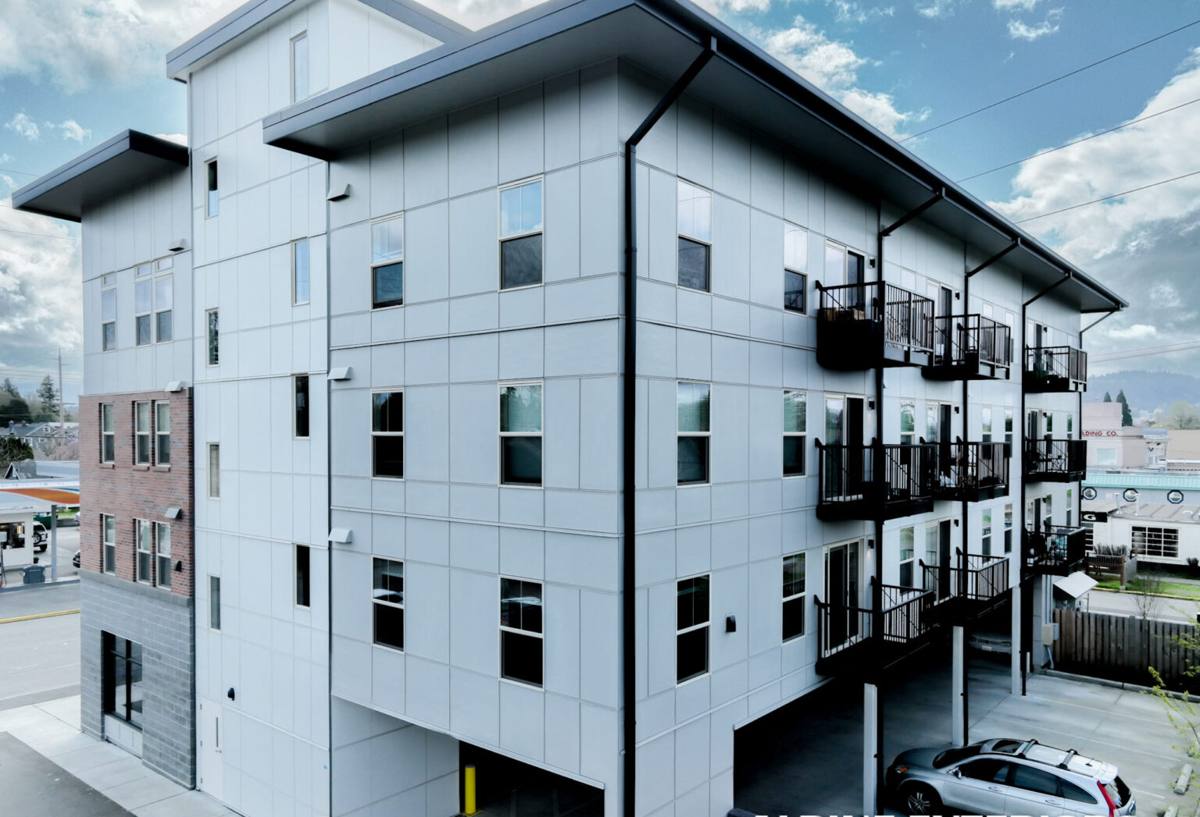
What Makes Cherry Point Different
Direct Salt Exposure
Properties set back from the water deal with marine air that's already lost some of its bite by the time it reaches them. Cherry Point doesn't get that buffer. Salt spray carried on wind off the water reaches siding, trim, and window hardware more directly and more often, which accelerates corrosion on lower-grade fasteners, hinges, and locking hardware faster than it would a few miles inland. Window hardware that would look fine after ten years in a sheltered spot can show pitting or stiffness well ahead of that on a Cherry Point property.
Wind-Driven Rain Off the Water
Open water in front of a home means very little to break the wind before it hits the wall. Storms push rain sideways into window openings rather than letting it run straight down and off, and that wind-driven rain finds gaps in flashing or sealant that would never see water in a calmer setting. This is the single biggest factor in how a window installation is detailed here — the flashing has to assume water will reach the opening, not just hope it won't.
A Long Moss and Mildew Season
Mild temperatures and near-constant dampness through fall, winter, and spring give moss and mildew a long window to take hold across Whatcom County, and window sills, trim, and the framing around older windows are common places it settles in. North-facing and shaded openings, or anywhere water tends to sit instead of draining away, usually show it first.
Condensation From Interior-Exterior Temperature Swings
The gap between a heated interior and a cold, wet exterior wall creates real condensation pressure on glass and frames through the winter months. Fogging, water pooling on interior sills, or moisture trapped between panes of an older double-pane window are usually a sign a seal has failed — not just a cosmetic issue to live with.
What a Correct Window Installation Involves
A window installation is really two jobs stacked together: setting the unit itself, and integrating it correctly into the surrounding wall assembly. Homeowners tend to focus on the first and we spend more of our attention on the second, because in a Cherry Point exposure, the integration work is what determines whether the installation holds up.
- Rough opening checked and, if needed, corrected for square, level, and proper size before the new unit ever goes in
- Weather-resistive barrier and flashing lapped in the correct order so water sheds outward, never trapped behind the window
- Sill pan flashing installed to direct any water that does get past the frame back out, rather than letting it sit against the sill
- Window set plumb, level, and square, then fastened per manufacturer specification — not just "close enough"
- Insulation and air sealing around the perimeter of the frame, avoiding gaps or over-packed insulation that can bow the frame
- Exterior trim and siding tied back in cleanly, with flashing integrated into the surrounding cladding rather than just caulked over
- Interior and exterior finish work completed and hardware function tested before we consider the job done
Flashing: The Step That Actually Determines Performance
We talk about flashing more than we talk about window brands, because in a Cherry Point exposure, flashing detail is what separates a window that stays dry for decades from one that starts leaking within a few wet seasons. Correct flashing laps in sequence with the weather-resistive barrier and siding so water is always directed out and down, never behind the opening. Every seam gets sealed with materials rated for sustained moisture exposure, not general-purpose caulk. This is standard practice on every window we install — not an upgrade a homeowner has to know to ask for.
The Mistake We See Most Often
On repair calls near the water, the failure almost never traces back to the window unit itself. It traces back to flashing that was never lapped correctly during a prior installation, or caulk used as a substitute for flashing instead of a supplement to it. Caulk alone cracks and breaks down over time under constant sun and moisture cycling; it was never designed to be the only barrier against wind-driven rain coming straight off the water.
Choosing a Window System for This Exposure
We install vinyl and fiberglass window systems built for the Pacific Northwest's wet, mild climate, and for a waterfront-adjacent property like Cherry Point we pay particular attention to hardware grade and frame material, since those are the components most exposed to salt air. We'll walk through real trade-offs with a homeowner rather than pushing one brand as the only right answer.
| Factor | Why It Matters at Cherry Point |
|---|---|
| Frame material | Vinyl and fiberglass both resist rot that uncladded wood frames don't — important given how much moisture reaches this shoreline |
| Hardware grade | Corrosion-resistant hardware holds up longer against direct salt air than standard-grade hardware, which can pit or stiffen early this close to the water |
| Glazing package | Double or triple-pane with low-E coatings helps with energy performance and cuts down on interior condensation during cold, damp stretches |
| Sill pan flashing | Gives any water that does get past the frame a way out instead of letting it sit and soak into the sill |
| Warranty structure | A manufacturer warranty only covers the product — installation is a separate warranty and it's the installation that fails first in this exposure |
New Construction vs. Replacement Openings
Window installation at Cherry Point comes up in two different contexts, and the approach differs slightly for each. In new construction or an addition, we're building the flashing and drainage plane from scratch around a fresh opening, which is more straightforward because there's no existing material to work around or correct. In a replacement, we're often dealing with an opening that was originally flashed years ago, sometimes not to current standards, and the first step is assessing whether that existing flashing and sheathing behind it is sound before the new unit ever goes in. Installing a new window into a compromised opening just hides the problem behind a fresh frame — it doesn't fix it.
How Windows Connect to the Rest of the Exterior
Windows don't perform in isolation. A window installed without attention to the surrounding siding, trim, and drainage plane can look fine for a season or two and still leak, because water that gets past a poorly integrated window travels into the wall assembly instead of staying visible where it's easy to catch. We handle siding, roofing, windows, and decks as connected work rather than separate trades, which matters here specifically because the person doing the window flashing needs to understand how it ties into the siding and roof-to-wall details around it — not just how to set a window square in an opening.
A Checklist Before Hiring for Window Installation at Cherry Point
- Ask specifically how they handle flashing and sill pan detail — not just which window brand they sell
- Confirm current Washington contractor licensing and active liability insurance
- Get a written scope that separates the manufacturer's product warranty from the installer's workmanship warranty
- Ask whether they've worked waterfront or near-waterfront properties in this part of Whatcom County before
- Ask about hardware grade and whether it's rated for direct salt air exposure, not just standard-grade fittings
- Confirm lead times up front, since custom-sized windows can take several weeks to arrive before installation even starts
Why a Local Crew Matters at Cherry Point
A crew that already works this stretch of Whatcom County understands how wind-driven rain and direct salt exposure behave differently here than they do a few miles inland, and that understanding shows up in small decisions that add up: how much lap a flashing detail gets, whether sill pan flashing is treated as standard or skipped to save time, which hardware grade gets specified by default. Those aren't decisions a crew unfamiliar with waterfront exposure tends to get right on the first try, and getting them wrong on a window installation means water damage that often doesn't show up until it's already inside the wall.
Our Process
We start with an on-site look at the opening — existing flashing condition if it's a replacement, framing and sheathing condition, and how the opening relates to the surrounding siding and roofline. From there we give a straightforward read on what the job actually requires, walk through window and hardware options suited to a Cherry Point exposure, and provide a written scope before any work begins. Flashing, sill pan detail, and proper sealing are handled as standard practice on every installation — not offered as an upgrade.
If you're planning a window installation for a Cherry Point property, or replacing openings on an older home that's starting to show its age against the salt air and rain, we're happy to take a look and give an honest read on what it'll take. Reach out below for a free, no-pressure estimate.