 Custer
 Window Installation in Blaine's Marine Climate
Blaine sits right up against the Salish Sea, a few miles from the Canadian border, and that location shapes everything about how windows perform there. Homes here take on salt-laden air, wind-driven rain coming straight off the water, and a moss and algae season that can run most of the year in shaded spots. A window installation that would hold up fine in a drier inland climate can fail early in Blaine if it isn't detailed for these conditions. We install and replace windows throughout Whatcom County, and Blaine jobs get treated as coastal jobs from the first measurement to the final bead of sealant.
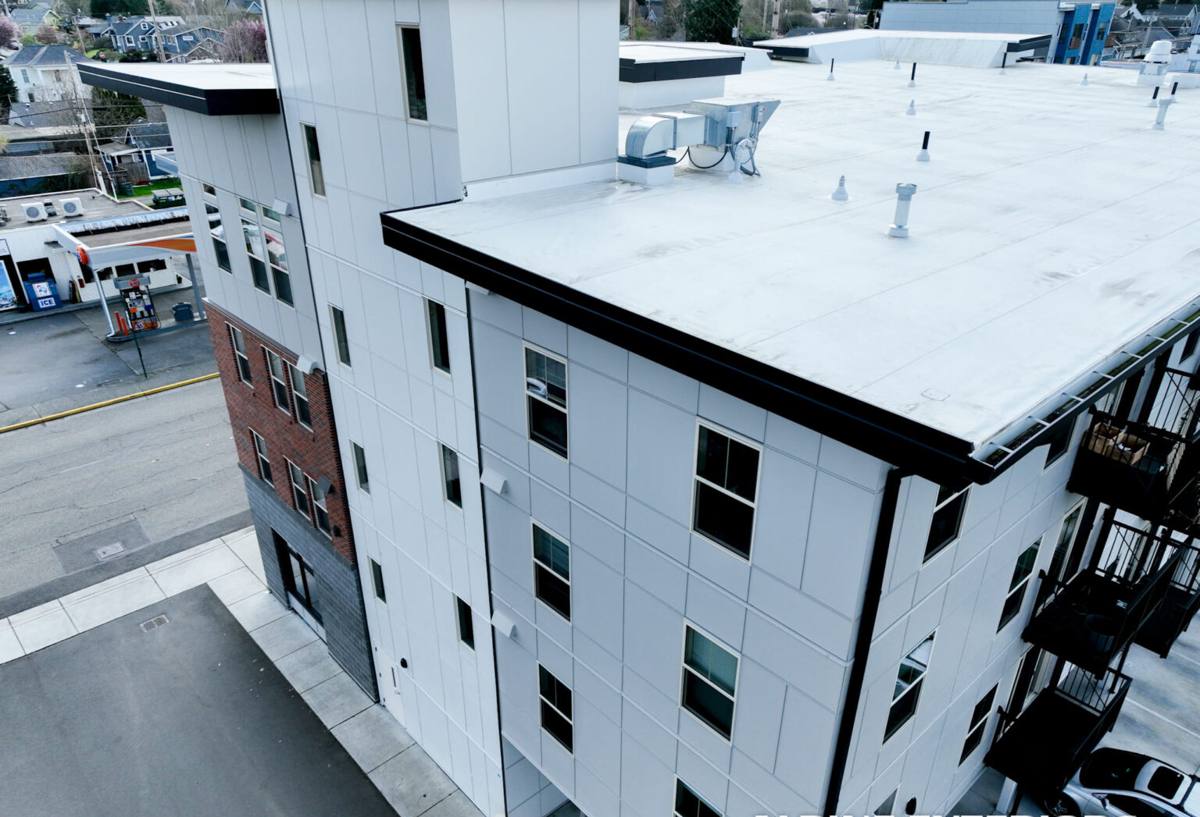
Why Blaine's Weather Is Tough on Windows
Three conditions do most of the damage to windows in this area, and they compound each other over time.
Salt Air and Hardware
Airborne salt accelerates corrosion on window hardware, screen frames, and any exposed fasteners. Cheaper hardware finishes pit and seize up faster near the water than they would even ten miles inland. This is one of the reasons material and hardware choice matters more in Blaine than in a lot of other Whatcom County towns.
Wind-Driven Rain
Rain in this area rarely falls straight down. Wind off the water pushes it sideways into wall assemblies, which puts real pressure on window flashing and seals that a calmer climate would never test. A window that's a little out of square, or flashed out of sequence, will leak here years before it would somewhere with less horizontal rain.
Moss, Algae, and Slow-Drying Surfaces
Shaded sills, north-facing walls, and anything under overhangs stay damp longer in this climate, which is exactly what moss and surface algae need to take hold. On windows, that shows up as soft or discolored wood trim, degraded caulking, and paint failure around the frame well before the window itself is actually worn out.
Signs a Blaine Home's Windows Need Attention
Because of the conditions above, window problems here often show up as moisture or hardware issues before the glass unit itself fails. Worth checking for:
- Fog or a hazy film between the panes of a double-pane window (a failed seal)
- Windows that are hard to open, close, or lock, especially after wet weather
- Soft, spongy, or discolored wood at the sill or lower corners
- Visible daylight or a draft you can feel around the frame
- Moss or dark streaking building up on the sill or exterior trim
- Condensation forming on the inside of the glass regularly through fall and winter
- A noticeable jump in heating costs with no other explanation
Any one of these on its own might just need caulking or a hardware adjustment. Several at once, especially rot at the sill, usually means the window and the framing around it need a real look.
What a Correct Window Installation Actually Involves
Window installation looks simple from the outside — old unit out, new one in — but the parts that determine whether it lasts are mostly hidden once the trim goes back on.
Flashing and Moisture Management
The window opening needs a sill pan and flashing tied properly into the home's water-resistive barrier, so any water that does get past the window sheds outward and down, not into the wall framing. This sequencing matters everywhere, but it's non-negotiable in a wind-driven-rain climate like Blaine's, where a shortcut here is far more likely to show up as a leak.
Fit, Shim, and Seal
The new window has to be shimmed square and plumb, not just wedged into the existing rough opening. Insulation goes in the gap around the frame without overpacking it, and the right sealant — not just whatever caulk is on hand — goes at the exterior joints. Interior and exterior trim gets refinished or replaced so the whole assembly looks finished, not patched.
Checking the Opening, Not Just the Window
Removing the old window is also the one chance to see what's actually happening in the wall around it. If there's hidden rot or water damage from a long-failed old unit, that needs to be repaired before the new window goes in — otherwise you've installed a good window into a bad opening.
Choosing the Right Window Material for a Coastal Whatcom County Home
Material choice affects how much upkeep a window needs and how well it tolerates this climate long-term. There's no single right answer for every home, but the trade-offs are worth knowing.
| Material | Salt Air / Moisture Tolerance | Maintenance | Best Fit |
|---|---|---|---|
| Vinyl | Good — won't rust or rot; hardware quality varies by manufacturer | Low; occasional cleaning | Most homes wanting solid performance at a moderate cost |
| Fiberglass | Very good — dimensionally stable, resists warping in wet/dry cycles | Low | Homes with heavy direct wind and rain exposure |
| Wood or Wood-Clad | Fair — needs the cladding or finish intact to keep moisture off the wood core | Higher; finish upkeep required | Homes prioritizing a specific traditional look, with owners willing to maintain it |
| Aluminum-Clad | Good on the exterior face; watch for hardware and fastener corrosion near salt air | Moderate | Modern designs where a slim frame profile matters |
Glass package matters too. In this climate we generally recommend dual-pane, low-E glass with an argon fill and a solid U-factor rating — it cuts down on that interior condensation issue and helps with heating costs through the wet months. On homes that face open water or take the brunt of storm wind, we'll also talk through impact-resistant glass options as a step up.
Our Window Installation Process
- On-site assessment — we look at the existing windows, the wall assembly around them, and any signs of moisture damage before quoting anything
- Measuring and ordering — units are ordered to the actual opening, not a generic size
- Protecting the work area — floors, landscaping, and interior finishes get covered before removal starts
- Careful removal of the old window, with an eye on what the opening looks like once it's exposed
- Repair of any rot or water damage found in the framing, before the new window goes in
- Installation with proper flashing sequencing, shimming, and insulation
- Exterior sealing with sealant rated for the joint and the exposure
- Interior and exterior trim work to finish the opening
- Final walkthrough and cleanup, checking operation and seal on every window before we consider the job done
Cost Factors for Window Installation in Blaine
Every job is different, but the same handful of factors drive most of the cost variation we see on window jobs in this area.
| Factor | Why It Affects Cost |
|---|---|
| Number of windows | Per-window cost typically drops on larger whole-house jobs versus a single replacement |
| Size and style | Custom shapes, bay/bow windows, and oversized units cost more than standard double-hung or slider sizes |
| Material | Vinyl, fiberglass, and wood-clad options sit at different price points, as shown above |
| Accessibility | Second-story windows, tight side-yard access, or obstructed interiors take more labor |
| Condition of the opening | Hidden rot or water damage found during removal adds repair work before the new window can go in |
| Trim and siding tie-in | Matching existing trim or siding around a resized opening adds finish work |
| Disposal | Hauling away old windows and materials is part of a complete job |
As a broad range, a straightforward single window replacement generally runs from several hundred dollars into the low thousands, and larger custom units or full-house replacements scale up from there. We'll give you real numbers for your actual windows rather than a generic estimate.
Why Hire a Crew That Already Works in Blaine
A contractor who works this specific stretch of Whatcom County coastline has already seen how the local weather treats window installations that were done without it in mind. That means knowing which hardware finishes hold up near salt air, how to detail flashing for wind-driven rain instead of just a standard rain load, and what moss and moisture damage typically looks like on the older homes common in this area. It also means we're a short drive away if a warranty question or an adjustment comes up after the install — not a crew that has to travel in from somewhere else.
Get a Straightforward Estimate
If you're dealing with drafty, fogged, or hard-to-operate windows in Blaine, or you're just planning ahead before another wet season, we're glad to come take a look. The estimate is free, there's no pressure attached to it, and you'll get a plain explanation of what your windows actually need — fill out the form below to get started.