 Custer
 Roof Repair in Blaine: A Job the Local Climate Doesn't Forgive
Blaine sits right up against the water, close to the Canadian border, and that location shapes everything about how a roof ages here. Homes take a steady diet of salt-laden air, wind-driven rain off the water, and a moss season that stretches for most of the year in Whatcom County. A roof repair that would hold up fine in a dry inland climate can fail within a season or two out here if it isn't done with the local conditions in mind. This page covers what roof repair actually involves for homes in the Blaine area, what we check for, and how our process works from the first call to the final cleanup.
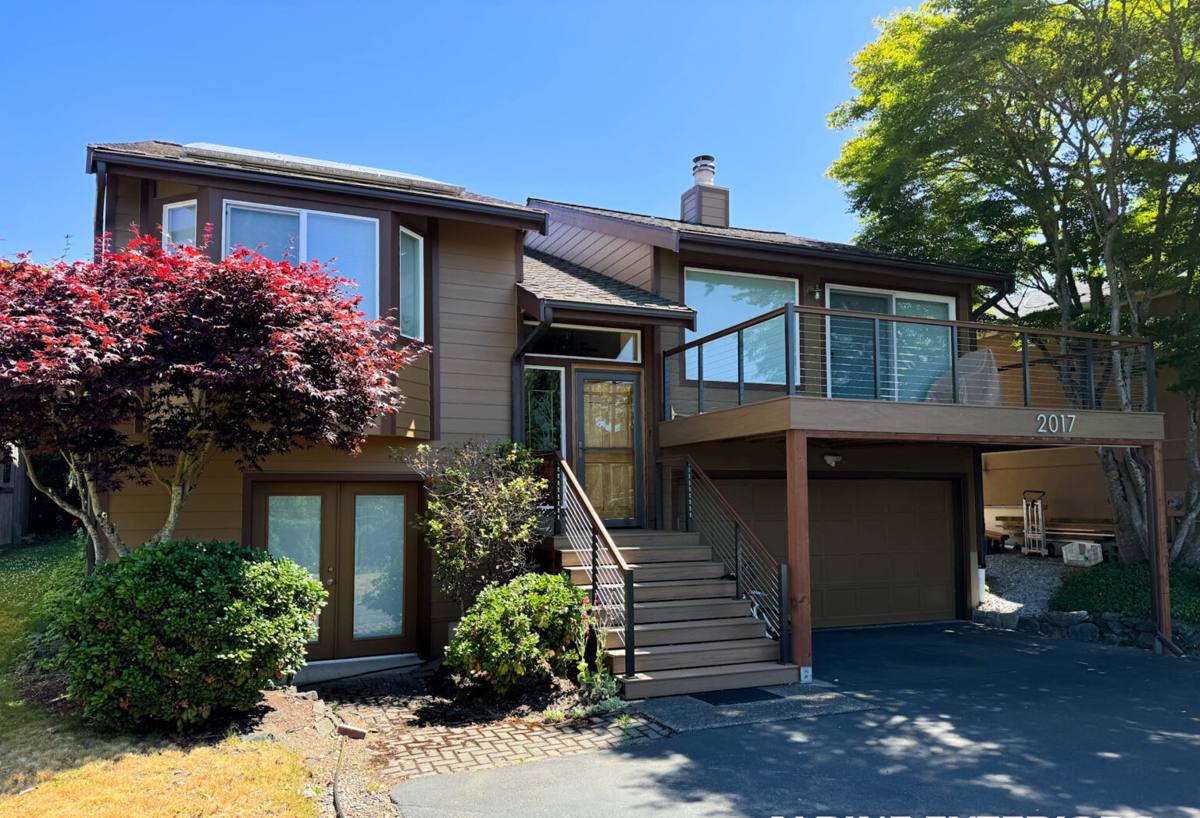
What Blaine's Climate Does to a Roof
Salt Air and Corrosion
Proximity to salt water speeds up corrosion on anything metal on your roof — nails, flashing, vent boots with metal collars, and gutter hardware. Fasteners that would last decades elsewhere can rust and back out years early near the coast. When we repair a roof in Blaine, we pay close attention to what the flashing and fasteners are made of, not just whether the shingles look fine.
Moss and Organic Growth
Western Washington's damp, shaded conditions are close to ideal for moss, and Blaine's marine humidity keeps roofs wet longer after a rain than you'd see further inland. Moss holds moisture against the roofing material, lifts shingle edges, and works its way under laps and flashing over time. Left unchecked, it turns a minor leak point into a much bigger repair.
Driving Rain and Wind
Storms coming off the water often bring rain at an angle, not straight down. That matters because a roof can be watertight in normal conditions and still leak during a wind-driven storm if flashing, step details, or shingle laps aren't installed correctly. Roof repair here has to account for water moving sideways and upward under wind pressure, not just running downhill.
Signs a Blaine Home Needs Roof Repair
Most roof problems don't start with an obvious hole — they start small and get overlooked until there's a stain on the ceiling. Watch for:
- Dark streaks, green tint, or thick moss growth on shingles, especially on north-facing slopes
- Granules collecting in gutters or at the base of downspouts
- Curling, cupping, or lifted shingle edges
- Rusted or visibly deteriorated flashing around chimneys, vents, and skylights
- Water stains on interior ceilings or in the attic, especially after a windy rainstorm
- Soft spots when walking the roof, or sagging in the roof deck
- Daylight visible through the roof deck from inside the attic
Any one of these on its own might be minor. Two or three together usually mean it's time for a closer look before the next storm season.
What a Correct Roof Repair Actually Involves
Diagnose Before You Patch
The most common mistake in roof repair isn't bad workmanship — it's fixing the spot where water showed up inside the house instead of the spot where it's actually getting in. Water travels along the underside of a roof deck and can show up on a ceiling several feet from the real entry point. A proper repair starts with tracing the leak back to its source, which usually means getting on the roof and checking flashing, penetrations, and shingle courses upslope from the stain.
Flashing and Transitions
Most roof leaks happen at transitions, not in the open field of shingles: chimneys, skylights, vent pipes, valleys, and where a roof meets a wall. These areas rely on flashing to shed water, and flashing fails long before the shingles around it wear out. A repair that replaces shingles but reuses old, corroded, or poorly lapped flashing is a repair that will leak again.
Matching Materials the Right Way
When we replace a section of roofing, we match the existing material as closely as possible in type, profile, and color so the repair blends in rather than standing out as an obvious patch. On older roofs, an exact match isn't always available — in that case we'll talk through the closest reasonable option and set expectations honestly rather than promising an invisible fix.
Dealing with Moss During the Repair
If moss contributed to the damage, removing shingles and finding rot or granule loss underneath is common. Part of a proper repair is clearing moss from the surrounding area, checking how far the damage extends past what's visible from the ground, and addressing the underlying moisture rather than just swapping out the worst-looking shingles.
Common Roof Repair Types We Handle in Blaine
| Repair Type | Typical Cause | What's Involved |
|---|---|---|
| Localized shingle replacement | Wind damage, impact, isolated wear | Remove and replace affected shingles, check underlayment condition |
| Flashing repair or replacement | Corrosion, poor original installation, age | Remove surrounding shingles, replace flashing, reseal transitions |
| Valley repair | Debris buildup, granule wear from heavy water flow | Rebuild valley lining and adjacent shingle courses |
| Vent boot replacement | Cracked rubber collar from age and UV exposure | Replace boot, check for deck damage underneath |
| Decking repair | Long-term leak, rot from trapped moisture | Cut out and replace damaged sheathing before re-roofing that section |
| Moss remediation and shingle repair | Extended moss growth lifting or damaging shingles | Moss removal, inspect for granule loss and shingle damage, targeted replacement |
Our Process
1. Inspection
We start by getting on the roof, not just looking at it from the driveway. That means checking flashing, valleys, penetrations, and the general condition of the roofing material, along with a look in the attic if accessible to check for existing water intrusion or ventilation issues.
2. Honest Assessment and Estimate
You'll get a clear explanation of what's actually wrong, what caused it, and what fixing it involves — including if we think a full section replacement makes more sense than a patch. We'll give you a written estimate before any work starts, with no pressure to decide on the spot.
3. The Repair
Work is done with attention to matching your existing roofing, correctly flashing all transitions, and not leaving shortcuts that turn into next year's leak. We protect landscaping and walkways during the work and keep the site reasonably clean as we go.
4. Cleanup and Walkthrough
When the repair is done, we clear debris, do a magnetic sweep for stray nails where relevant, and walk through what was done so you know exactly what was repaired and why.
Roof Repair vs. Full Replacement
Not every damaged roof needs to come off. But repairing the wrong roof can mean spending money now only to face a full replacement a year or two later. Here's how we generally think about it:
| Factor | Repair Usually Makes Sense | Replacement Usually Makes Sense |
|---|---|---|
| Age of roof | Under roughly 15-20 years, depending on material | Near or past its expected service life |
| Extent of damage | Isolated to one or two areas | Widespread across multiple slopes |
| Underlying deck | Solid, no rot found | Soft, rotted, or damaged sheathing in multiple spots |
| Moss history | Recent growth, caught early | Long-term moss with granule loss across the roof |
| Number of past repairs | First or second repair on this roof | Repeated patches on the same roof over the years |
We'll tell you honestly which side of that line your roof falls on, even if that means recommending less work than you expected.
Why It Matters to Hire a Crew That Already Works in Blaine
Roofing crews that mostly work drier inland areas don't always account for how much harder Whatcom County's coastal conditions work a roof. A crew that regularly repairs roofs in Blaine already knows to look closely at flashing corrosion from salt air, to expect moss coming back if it isn't fully addressed, and to detail transitions for wind-driven rain rather than just typical straight-down weather. That local familiarity shows up in the quality of the repair, not just in convenience or response time.
It also matters for something less obvious: knowing which repairs actually hold up here. A fix that's standard practice in a dry climate can be undersized for what a Blaine winter throws at it. Experience with this specific stretch of Whatcom County coastline informs decisions on materials, flashing details, and how aggressively to deal with moss during the repair.
Maintaining Your Roof Between Repairs
A repair lasts longer when it's not fighting the same conditions that caused the original damage. Between service visits, a few habits go a long way in this climate:
- Keep gutters and downspouts clear so water doesn't back up under shingle edges
- Trim back overhanging branches that keep sections of roof shaded and damp
- Have moss treated or removed before it spreads across a slope, not after
- Check the attic occasionally for musty smells, damp insulation, or daylight through the deck
- Have the roof looked at after any significant windstorm, even if nothing looks obviously wrong from the ground
Get a Straight Answer About Your Roof
If you're dealing with a leak, moss buildup, or storm damage on a roof in the Blaine area, we're glad to take a look and tell you honestly what it needs — whether that's a small repair, a larger section replacement, or just some maintenance to head off bigger problems. Reach out for a free, no-pressure estimate using the form below.