 Custer
 Point Roberts Puts Siding Through More Than Most Whatcom County Homes See
Point Roberts sits on a small peninsula surrounded almost entirely by water, which means every home there takes a version of weather exposure that inland Whatcom County properties simply don't deal with. Salt-laden air moves off the water and settles on exterior surfaces day after day. Driving rain comes in sideways during winter storms, finding every gap, nail hole, and hairline crack in a siding system. And the long, damp moss season here isn't a cosmetic nuisance — it's a moisture engine, holding water against the siding surface for weeks at a time.
Siding that would hold up fine in a drier, more sheltered part of the county can fail early in Point Roberts if it wasn't installed with this exposure in mind, or if small problems were left unaddressed. Repair work here isn't just patching what's broken — it's understanding why that section failed in the first place and making sure the fix doesn't fail the same way.
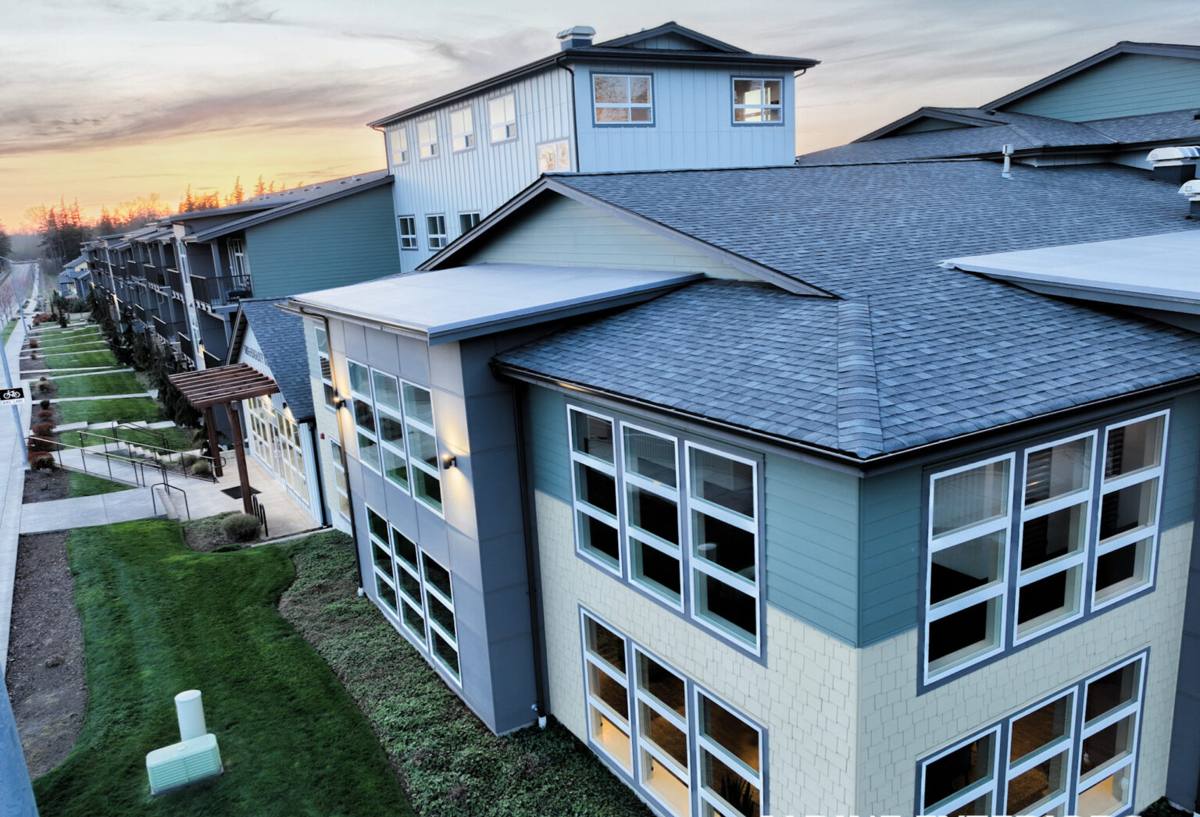
What Salt Air, Driving Rain, and Moss Actually Do to Siding
Salt Air
Airborne salt is corrosive to fasteners and hardware, and it accelerates the breakdown of finishes that aren't formulated to resist it. On lower-quality or unfinished siding, salt exposure shows up as chalking, fading, and surface degradation well ahead of schedule. It also tends to draw moisture, keeping surfaces damp longer than they would be a few miles inland.
Driving Rain
Wind-driven rain doesn't just wet the surface of siding — it tests every seam, joint, and penetration. Poorly sealed trim, gaps around windows and doors, and improperly lapped siding courses all become entry points. Once water gets behind the siding, the damage often isn't visible until it's already affected the sheathing or framing underneath.
Moss and Sustained Moisture
A long moss season means extended periods where siding, trim, and the ground line stay wet. Moss holds moisture directly against the surface, and where it's allowed to establish and spread, it accelerates rot in wood-based products and keeps fiber cement wetter than it should stay. Shaded, north-facing walls and areas near mature trees are usually the first places it takes hold.
Signs Your Point Roberts Home Needs Siding Repair
- Soft, spongy, or visibly swollen sections of siding, especially near the bottom courses or around windows
- Moss or persistent green/black staining that keeps returning after cleaning
- Cracked, split, or buckled panels, particularly on the sides of the house that take the most weather
- Peeling or bubbling paint/finish, which often signals moisture trapped behind the surface
- Gaps opening up at seams, corners, or trim boards
- Visible fastener corrosion — rust streaks bleeding down from nail heads
- Soft trim boards or a spongy feel when you press near window and door casings
- Interior signs: musty smells, discoloration on interior walls near exterior corners, or unexplained drafts
Any one of these on its own might be minor. Several together, especially concentrated on one elevation, usually means water has been getting behind the siding for a while.
Repair or Replace? How We Make That Call
Not every damaged section needs a full re-side, and not every "repair" is actually worth doing. The right call depends on how contained the damage is and what's happening behind the surface.
| Situation | Usually Repair | Usually Replace (Section or Full Wall) |
|---|---|---|
| Damage isolated to one or two boards/panels | Yes | — |
| Sheathing underneath is dry and sound | Yes | — |
| Rot or soft sheathing found behind the siding | — | Yes |
| Damage is scattered across multiple elevations | — | Yes |
| Existing siding is near end of service life anyway | — | Yes |
| Matching material/color is still available | Yes | — |
We don't sell a full re-side to a homeowner who just needs a section repaired. But we also won't patch over hidden rot just to make a quote look smaller — that costs you more later, and on a site like Point Roberts, "later" tends to arrive faster than people expect.
What a Correct Repair Actually Involves
A repair that's done right addresses the cause, not just the symptom:
- Remove the damaged section carefully, without disturbing adjacent boards more than necessary.
- Inspect what's behind it — sheathing, house wrap or weather barrier, flashing at windows and penetrations. This is the step that gets skipped when a repair is done too fast, and it's the step that actually determines whether the repair lasts.
- Address moisture intrusion at the source — re-flash, re-seal, or correct the detail that let water in, not just replace the board that showed the damage.
- Replace with matching material, properly primed/finished on cut edges, fastened per manufacturer spec for coastal exposure.
- Re-seal and re-caulk joints and penetrations using products rated for the moisture load this area sees.
- Check surrounding sections for early signs of the same failure so you're not calling us back for the board next to it in a year.
Why Fiber Cement Repairs Differently Than the Alternatives
We install James Hardie fiber cement exclusively, and that has a direct bearing on repair work in a place like Point Roberts. Fiber cement doesn't rot, and it isn't a food source for the moss and organic growth that thrives in this climate. When we repair a Hardie installation, we're generally dealing with a moisture or installation detail issue — not the material itself breaking down.
That's a real advantage over wood-based or engineered wood siding, which can develop soft, rotted sections precisely because sustained moisture is what this location delivers in volume. It's also why we don't install products like primed spruce or engineered wood siding here: in a marine, high-moisture environment, the long-term maintenance burden and repair frequency of those products is simply higher than what fiber cement requires. Hardie's ColorPlus factory finish also holds up better against salt air and UV than field-applied paint, which matters when you're patching a wall years down the road and trying to get a color match that doesn't look like a repair.
If your existing siding on a Point Roberts property is vinyl, LP SmartSide, cedar, or another wood-based product and it's showing the kind of moss, softness, or fastener corrosion we described above, a patch repair may buy you time — but it's worth having a straight conversation about whether that section, or the whole elevation, makes more sense to convert to fiber cement rather than keep repairing a product that's fighting the climate it's in.
How Our Process Works for Point Roberts Jobs
Point Roberts is a bit of an outlier logistically — it's only reachable by land through Canada, which means scheduling and material delivery take a little more planning than a job five minutes from our shop in Custer. We account for that up front:
- On-site assessment — we look at the damage, but we also check the whole elevation and adjacent details, since isolated damage in this climate rarely stays isolated for long.
- Clear scope before we start — you'll know whether it's a straightforward panel swap or something that opens up into a larger moisture issue, before we cut into anything.
- Material and crew scheduling done as one trip — we plan the visit so we're not making multiple crossings for the same job, which keeps costs reasonable for you.
- Weather-aware scheduling — we work around the rain patterns here rather than rushing a repair into a wet substrate, which just traps the problem back in.
- Cleanup and a final check — including a look at gutters, grade, and vegetation near the repaired section, since those are usually part of why moisture got in to begin with.
Why Hiring a Crew That Already Works This Area Matters
Siding repair in Point Roberts isn't the same job as siding repair in a sheltered inland neighborhood, and a crew without local experience can miss that. Knowing which elevations in this kind of exposure typically fail first, how far moss and moisture damage tend to have spread by the time it's visible, and how to detail a repair so it actually stands up to the next few winters — that comes from having done this work here before, not from a general siding background alone.
There's also the practical side: knowing how to plan a visit efficiently given the border crossing, understanding realistic timelines for this location, and not treating the job as an afterthought squeezed in between other stops. That matters for getting a fair price and a repair that's actually finished right, not rushed.
Maintaining Your Siding After a Repair
A good repair extends the life of your siding, but a few habits keep it that way, especially in this climate:
- Rinse salt residue and debris off siding a couple of times a year, particularly on elevations facing open water
- Keep gutters clear so water isn't sheeting down the wall face
- Trim back vegetation and branches that shade siding and keep it damp longer
- Check caulk and sealant at trim joints annually and touch up before gaps widen
- Address any new moss growth early rather than letting it establish
Cost Factors for Siding Repair in Point Roberts
| Factor | Why It Affects Price |
|---|---|
| Extent of hidden moisture/sheathing damage | Rot behind the siding adds structural repair, not just surface replacement |
| Number of elevations affected | More sides means more material handling and access setup |
| Height and access | Second-story or hard-to-reach sections require more equipment and time |
| Color/material matching | Discontinued colors or products may require a broader repaint or repair scope |
| Underlying flashing/detail corrections | Fixing the cause, not just the symptom, adds labor but prevents repeat repairs |
We give straightforward, itemized pricing so you know what you're paying for and why — no vague lump-sum numbers that hide whether you're getting a surface patch or an actual fix.
If you're seeing moss, soft spots, cracking, or staining on your Point Roberts home's siding, we're happy to come take an honest look. There's no pressure and no cost to get an estimate — just a straight read on what's going on and what it would take to fix it right.