 Custer
 Windows Built for Meridian's Coastal Climate
Meridian sits close enough to the water that homes here take a different kind of weathering than houses twenty miles inland. Salt air moves through on the wind off the bay, driving rain comes in sideways during winter storms, and the long stretch of grey, wet months every year gives moss and algae plenty of time to settle into anything that holds moisture. Windows are one of the first places all three of those show up — in soft sills, foggy glass, sticky tracks, and frames that never quite look clean no matter how often you wash them. Custom windows, sized and detailed correctly for the opening they're going into, hold up to that far better than a generic off-the-shelf unit forced into a space it wasn't really made for.
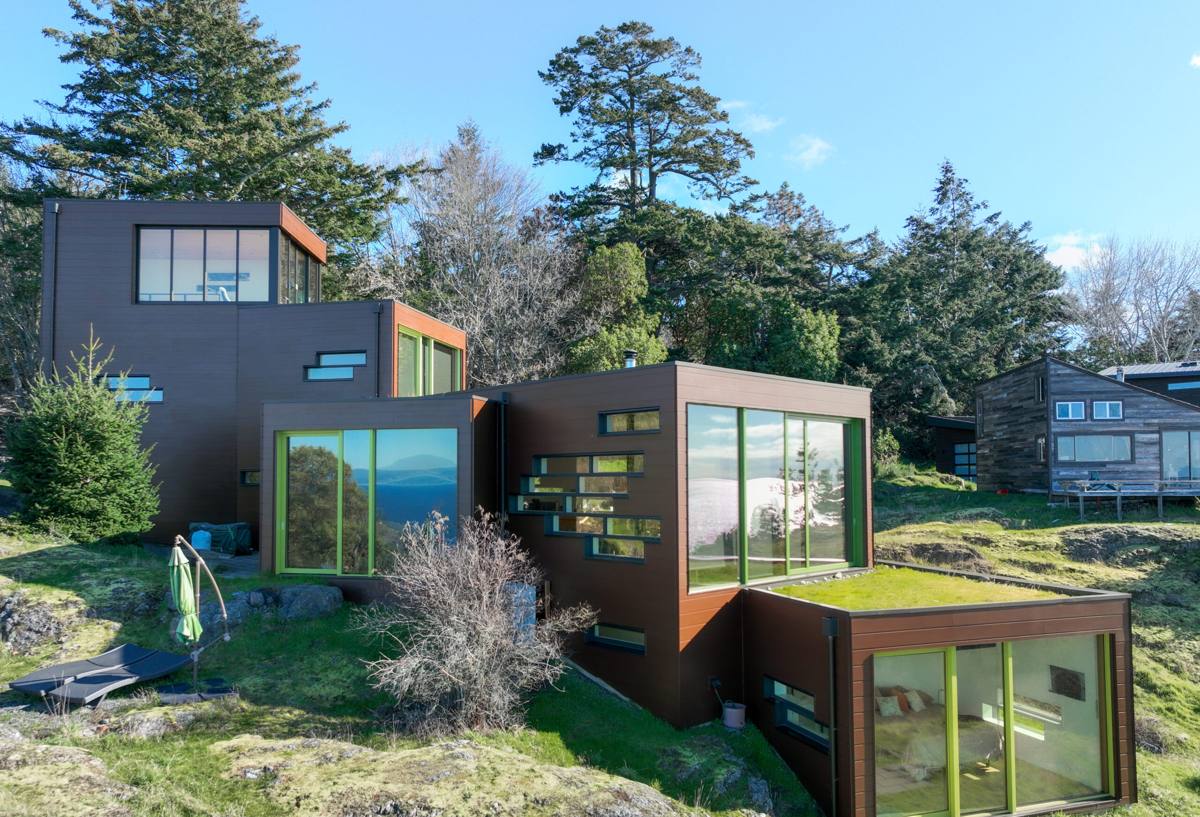
What "Custom" Actually Means on a Window Job
Custom doesn't have to mean unusual or expensive. Most of the custom windows we install in the Meridian area are replacements for older homes where the rough openings were never perfectly square to begin with, or additions and remodels where the window size doesn't match a standard stock dimension. A few common reasons a window needs to be custom-ordered rather than pulled off a shelf:
- The existing opening is out of square from decades of settling — common in older Whatcom County farmhouses and cottages
- You're replacing a specialty shape — arched, angled, or a picture window flanked by casements
- An addition or remodel calls for a window size that doesn't exist in a standard catalog
- You want to change the window's proportions — going taller, wider, or repositioning it — as part of a siding or exterior update
- The home has a historic or non-standard trim profile that a stock replacement won't sit into cleanly
In every one of these cases, the window has to be measured and built to the actual opening, not the other way around. That's the difference between a window that looks and performs right for years and one that gets caulked and re-caulked because it never fit quite correctly in the first place.
Why This Climate Is Harder on Windows Than Most
Salt Air and Corrosion
Homes closer to Birch Bay, Drayton Harbor, and the Puget Sound shoreline pick up salt in the air, and that salt finds its way into window hardware, screen frames, and any exposed metal fasteners. Over years, it can pit aluminum components, corrode cheap hinges and locks, and dull finishes faster than the same window would wear inland. This is one of the biggest reasons we pay attention to what hardware and cladding metal is used on a window going into Meridian, not just the glass and frame.
Driving Rain and Water Intrusion
Winter storms here don't just fall straight down — wind-driven rain gets pushed sideways and upward under trim, behind siding, and into any gap around a window opening that isn't properly flashed. A window itself is almost never the actual leak point; the flashing, sill pan, and sealant detailing around it are what stop water, and those are exactly the details that get rushed on a fast, cheap install. A window that's watertight on paper can still leak for years if it wasn't integrated correctly with the wall behind it.
Moss, Algae, and Prolonged Moisture
Whatcom County's moss season isn't a few weeks — it's most of the year. Anywhere water sits or drains slowly, moss and green algae take hold: window sills, the bottom of tracks, and trim boards that don't shed water cleanly. Beyond looking bad, that trapped moisture is what eventually rots wood sills and trim and works its way into the wall assembly if it's not addressed.
What a Correct Window Installation Actually Involves
A window install is mostly invisible work once it's done — the parts you can't see are what determine whether it lasts. Done right, a replacement or new custom window install in this climate includes:
- Removing the old window and inspecting the framing and sheathing underneath for rot or water damage before anything new goes in
- Installing a sloped sill pan so any water that gets past the window drains back outward, not into the wall
- Integrating the window flange with the house wrap or weather barrier in the correct shingle-lap order, so water is always directed downward and outward
- Using flashing tape and sealant rated for the actual exposure the window will get, not a generic caulk that hardens and cracks within a couple of winters
- Shimming and fastening the window square and level in the opening, so it operates smoothly and seals evenly on all sides
- Insulating the gap between the window frame and rough opening without overpacking it, which can bow the frame
- Finishing the exterior trim and siding tie-in so water sheds away from the window rather than pooling against it
Skip or rush any one of these steps and the window can look perfect for a year or two before problems start — soft trim, fogged glass from a failed seal, or water stains inside on the wall below the window.
Choosing Materials That Hold Up Here
Frame material matters more in a coastal, high-moisture climate than in a drier region. There's no single "best" choice for every home — it depends on your budget, the look you want, and how much upkeep you're willing to do. Here's how the common options compare for a Meridian-area home:
| Frame Material | How It Handles Salt Air & Moisture | Maintenance | General Cost Position |
|---|---|---|---|
| Vinyl | Won't corrode; performs well against salt air; can discolor with UV over many years | Low — occasional cleaning | Lower |
| Fiberglass | Very stable in temperature swings and moisture; strong resistance to warping | Low | Mid to higher |
| Wood or wood-clad | Warmest appearance; needs a good exterior clad or finish to resist this climate's moisture | Higher — finish upkeep matters | Higher |
| Aluminum-clad | Durable, but bare or lower-grade aluminum hardware can pit faster in salt air | Moderate | Mid to higher |
For most Meridian homes, we lean toward vinyl or fiberglass frames with corrosion-resistant hardware, simply because they ask the least of the homeowner over time in a climate that's wet more months than it's dry. If you want the look of real wood, a well-clad wood window can still work — it just needs to be detailed and maintained with that salt-air exposure in mind.
Our Process for a Meridian Window Project
- On-site assessment — we look at the existing openings, check for any rot or water damage, and talk through what you actually need from the windows (energy performance, sound, style, or just replacing failing units)
- Measuring and ordering — every opening is measured individually rather than assumed to match a stock size, and windows are ordered to those exact dimensions
- Removal and inspection — old windows come out carefully, and we check the framing underneath before closing anything back up
- Installation — sill pans, flashing, and sealant go in following the sequence that actually keeps driving rain out, not just what's fastest
- Siding and trim integration — since we're a siding crew first, we tie the window flashing back into the surrounding siding correctly instead of treating it as a separate job
- Walkthrough — we go over the finished windows with you, how they operate, and what upkeep to expect
Why a Local Crew That Knows Meridian Makes a Difference
Window installation done wrong doesn't usually fail right away — it fails two or three winters later, once wind-driven rain has found a weak spot in the flashing or a seal that was never right to begin with. A crew that works in and around Custer and the wider Whatcom County area regularly already knows which details matter most for this specific exposure — how much wind-driven rain a given orientation actually takes, how aggressively moss builds up on north-facing sills, and how salt air factors into hardware choices. That's knowledge you don't get from a crew passing through on a one-off job. It also matters because window work and siding work are connected — the flashing at a window has to tie into the siding around it, and a crew that handles both understands how those pieces fit together instead of treating the window as an isolated box.
Signs Your Windows Are Losing the Fight Against This Climate
Not every window needs replacing right away, but a few signs are worth paying attention to before small problems become expensive ones:
- Fogging or moisture between panes, which means the seal has failed
- Soft, spongy, or discolored trim and sills around the window
- Persistent moss or dark staining at the bottom of the frame or sill
- Windows that stick, won't latch fully, or let in noticeable drafts
- Visible gaps, cracked caulk, or daylight around the frame edges
- Rising energy bills without another clear explanation
Simple Upkeep That Extends the Life of Custom Windows Here
Once new windows are in, a little regular attention keeps them performing the way they should through Whatcom County's wet season after wet season:
- Rinse sills and tracks periodically to keep moss and algae from getting established
- Check and refresh exterior caulk lines every year or two, since UV and moisture break sealant down over time
- Keep gutters and downspouts clear so runoff isn't sheeting down across windows
- Trim back vegetation that keeps window areas shaded and damp longer than the rest of the house
- Operate hardware periodically, even on windows you rarely open, to keep locks and hinges from seizing
If your windows in Meridian are showing their age, or you're planning an addition or remodel that needs windows built to fit, we're happy to take a look and give you a straightforward, no-pressure estimate — just fill out the form below.