 Custer
 Siding Installation for Laurel Homes Near Custer
Laurel sits in the stretch of Whatcom County between Custer and Bellingham Bay, close enough to the water that its houses take a different kind of weather beating than homes further inland. If you own a house here, you already know the pattern: wet fall and winter storms that come in sideways off the Strait, a damp spring that never quite dries out, and long stretches of grey where nothing on the north side of the house gets direct sun for weeks. Siding in this corner of the county isn't just cosmetic — it's the one layer standing between that weather and your framing, insulation, and interior walls.
We install James Hardie fiber cement siding, exclusively, on homes throughout Laurel and the rest of the Custer service area. This page is about what a correct siding installation actually involves out here — not a generic overview, but what changes when the job is a few miles from saltwater in a climate that grows moss on fence posts.
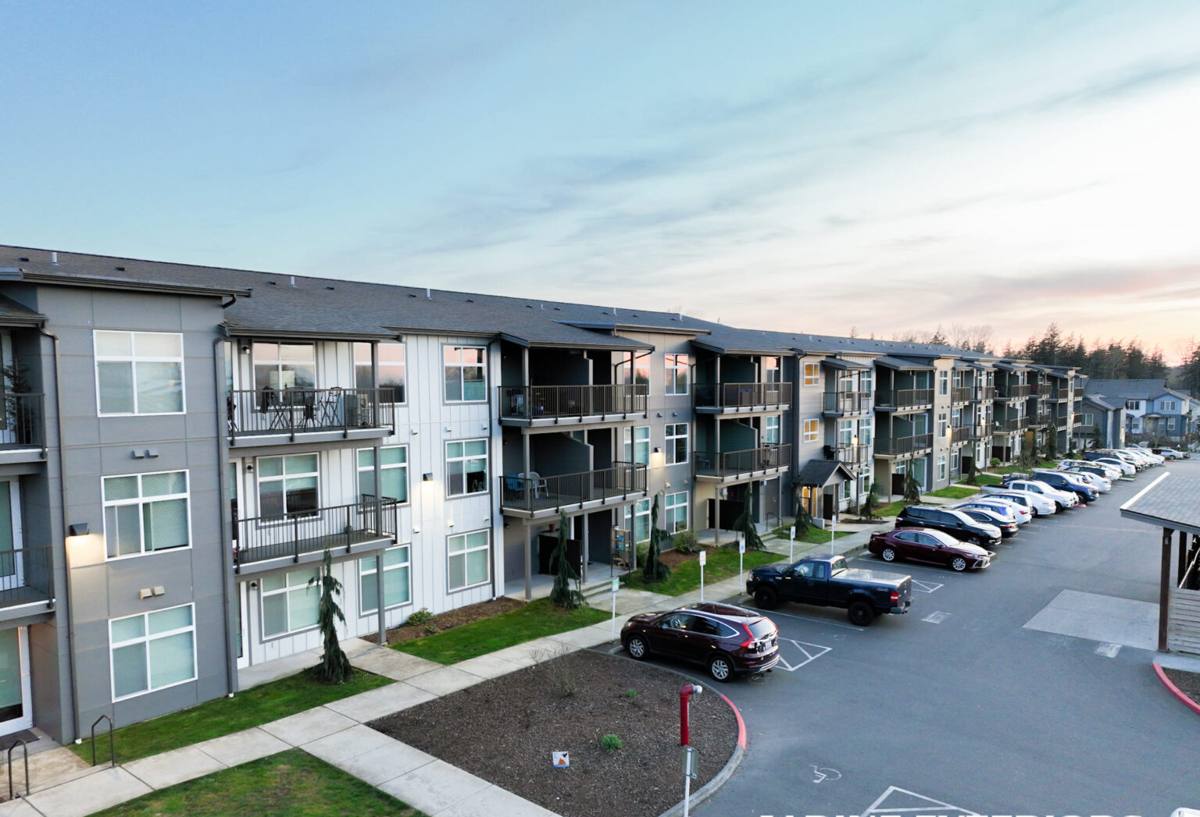
What Laurel's Climate Actually Does to Siding
Three things drive most of the siding problems we see on service calls in this area, and they're worth naming specifically because they change how a job should be built, not just what material goes on the wall.
Salt air
Proximity to Drayton Harbor and the Strait of Georgia means airborne salt is a real factor here, more so than for homes further inland in Whatcom County. Salt-laden moisture accelerates corrosion on fasteners, flashing, and any exposed metal trim. It also tends to hold moisture against surfaces longer than plain rainwater does, which matters for anything that isn't fully sealed or properly finished.
Driving rain
Rain in this part of Washington rarely falls straight down. Wind off the water pushes it sideways into walls, which means water finds its way into laps, seams, and penetrations that would stay dry in a calmer climate. A siding system that only handles vertical rain isn't enough here — the water-management details (flashing, laps, caulk joints, weep paths) have to assume wind-driven moisture as the normal case, not the exception.
A long moss season
Shaded, damp, north-facing walls in this area can stay wet enough long enough for moss and algae to get established, especially where siding sits close to landscaping or tree cover. Moss holds moisture against the substrate and, on products that aren't dimensionally stable or properly finished, that sustained dampness is what eventually causes swelling, softening, or paint failure.
Why James Hardie Is the Only Product We Install Here
We don't carry vinyl, LP SmartSide, Cemplank, Allura, primed spruce, or cedar, and Laurel's climate is a big part of why. Fiber cement in general resists moisture better than wood-based siding, but James Hardie specifically engineers its HZ5 product line for exactly this kind of Pacific Northwest exposure — wet, humid, and salt-influenced.
| Factor | Why it matters in Laurel |
|---|---|
| Non-combustible core | Fiber cement doesn't feed a fire the way wood-based products can — relevant given the dry-season wildfire smoke and ember risk that reaches even wet coastal counties |
| Moisture stability | Won't swell, rot, or delaminate the way wood fiber or improperly sealed engineered wood products can under sustained damp/moss exposure |
| ColorPlus factory finish | Baked-on finish resists the fading and peeling that field-applied paint struggles with under near-constant PNW moisture cycling |
| HZ5 engineering | Formulated for wet, freeze-thaw-influenced climates rather than a one-size-fits-all national product |
| Transferable warranty | Backed by a manufacturer warranty that survives a home sale, which matters in a market where houses change hands |
This isn't a knock on every alternative in every situation — cedar looks good, vinyl is cheap, LP SmartSide has real fans. But we've made a professional call that in a climate like Laurel's, those trade-offs (ongoing maintenance, moisture sensitivity, seam and finish durability) aren't worth it on the homes we put our name on. Hardie is what we stand behind.
What a Correct Installation Involves
The material is only half the job. A lot of siding failures we get called out to inspect in this area aren't product failures — they're installation shortcuts that let water in behind a perfectly good product. On a Laurel-area home, a correct install includes:
- A weather-resistive barrier installed and lapped correctly, with all seams and penetrations sealed before the first board goes up
- Proper flashing at windows, doors, and any horizontal trim — this is where wind-driven rain gets in if it's skipped or rushed
- Correct fastener type and spacing per Hardie's published installation specs, not generic "close enough" nailing
- Minimum clearance between siding and grade, decks, roofing, and other horizontal surfaces so water has somewhere to go
- Caulking only where Hardie's install guide calls for it — over-caulking traps moisture just as badly as under-caulking lets it in
- Factory-cut and factory-primed edges kept intact wherever possible, with field cuts sealed per spec
Fiber cement is a forgiving material when it's installed right and an unforgiving one when it isn't — a missed flashing detail on a wall that takes direct wind-driven rain will show up as a problem years before it would on a more sheltered wall. That's exactly the kind of exposure a lot of Laurel homes have.
What Correct Installation Costs Depend On
| Factor | Why it moves the estimate |
|---|---|
| Existing siding removal | Tear-off and disposal of old wood, vinyl, or damaged siding adds labor and haul-away cost |
| Sheathing/substrate condition | Rot or moisture damage found once old siding comes off has to be repaired before new siding goes on |
| Home size and wall complexity | Cut-outs, dormers, and multiple stories add labor time and material waste |
| Trim and accessory scope | Corner boards, window trim, and fascia work done alongside the main siding job |
| Product line and profile | Lap width, texture, and ColorPlus vs. field-painted options shift material cost |
We give exact numbers only after walking the specific house — broad ranges without seeing the wall condition and scope aren't useful to you.
Our Process on Laurel Jobs
Every job in this area starts with a walk-around, not a sales pitch. We're looking at wall exposure (which sides take the most wind-driven rain and which stay shaded and damp), current siding condition, sheathing access points, and any moss or moisture staining that tells us where water has already been getting in. From there:
- On-site assessment — exposure, existing siding condition, and any visible moisture or rot signs
- Scope and product selection — Hardie plank profile, exposure, and ColorPlus color matched to the home and any HOA or neighborhood expectations
- Tear-off and substrate check — old siding comes off, sheathing gets inspected and repaired if needed before anything new goes up
- Weather barrier and flashing — the part of the job that determines whether the house stays dry for the next several decades
- Installation to Hardie spec — fastener pattern, clearances, and joint treatment done to manufacturer requirements, not shortcuts
- Final walkthrough — checking caulk lines, trim, and clearances before we call it done
Why a Crew That Already Works Laurel Matters
Siding installation isn't uniform across Whatcom County. A crew that mostly works drier, more sheltered inland neighborhoods can do a technically competent install and still under-detail the flashing and clearances a near-water property like Laurel actually needs, simply because it's not the exposure they see every day. A crew that already knows this stretch of coastline knows which walls take the worst of the wind-driven rain, how much clearance to leave near grade given the drainage in this area, and where moss tends to establish itself on local homes.
That's not a marketing point — it's the difference between a siding job that looks right on install day and one that's still performing correctly ten winters later.
Maintenance Once It's Installed
Correctly installed Hardie siding is low-maintenance, not no-maintenance, especially in a moss-prone climate like this one. A simple annual routine goes a long way:
- Rinse siding (garden hose, low pressure) once or twice a year to clear salt residue and organic buildup before moss gets a foothold
- Keep landscaping and tree branches trimmed back from north- and shade-facing walls so those sides can dry out between storms
- Check caulk joints around windows and trim annually — caulk is a maintenance item on any siding system, Hardie included
- Address any moss growth promptly with a gentle wash rather than letting it establish and hold moisture against the surface
Get a Local Estimate
If you're weighing a siding replacement or new installation on a home in Laurel or elsewhere near Custer, we're happy to come take a look and walk you through what your specific house needs — no pressure, no obligation. Use the form below to request a free estimate.