 Custer
 Why Decks in Laurel Take a Beating
Laurel sits close enough to saltwater and the open weather patterns of Whatcom County that decks here age differently than decks fifty miles inland. Three things do most of the damage: salt-laden air that speeds up corrosion on fasteners and hardware, long stretches of driving rain that push water into joints and end grain, and a moss season that can run from early fall through late spring. None of these are dramatic on their own, but stacked together year after year, they find every weak point in a deck's construction.
Salt air is the one homeowners underestimate most. It doesn't just affect homes right on the water — moisture carried inland corrodes galvanized nails, screws, and joist hangers well before the wood around them shows obvious damage. By the time a board feels spongy underfoot, the fasteners holding the frame together have often been rusting for a couple of seasons already.
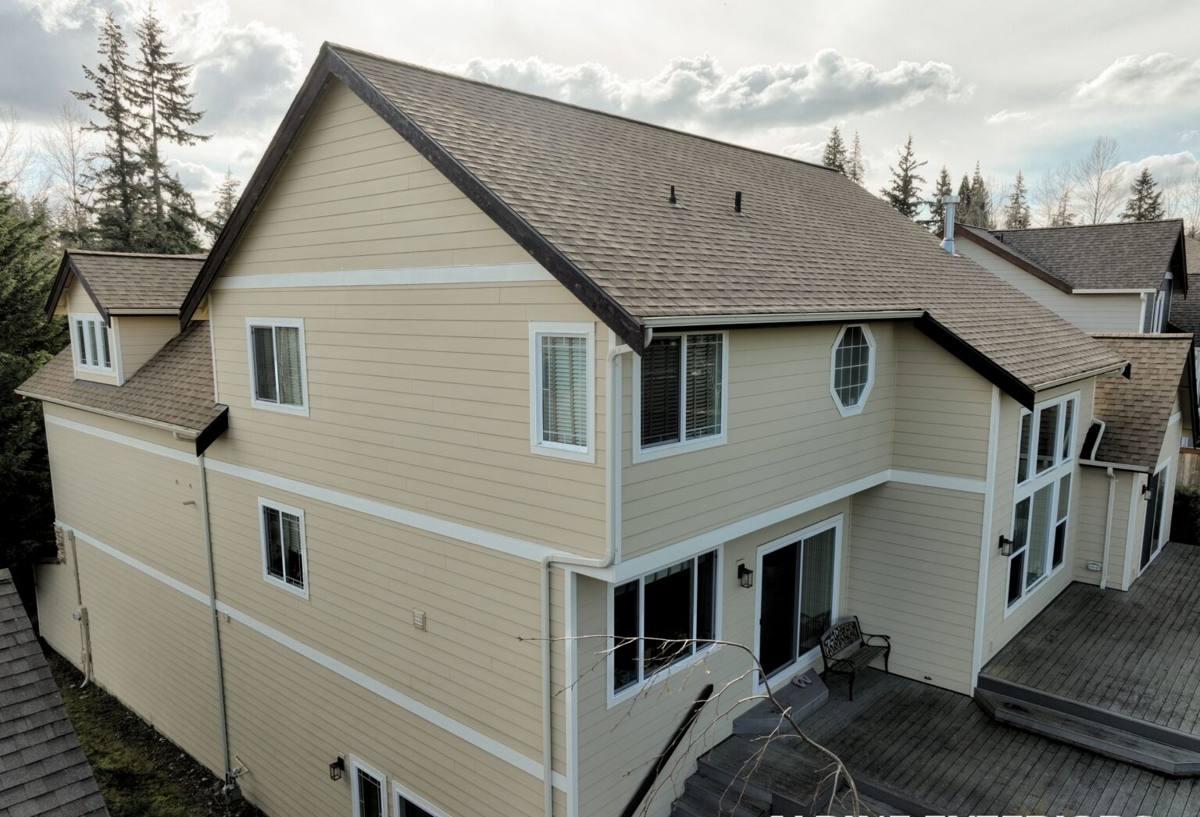
Signs a Deck Needs Repair, Not Just a Cleaning
A pressure wash and a fresh coat of stain can make a tired deck look decent for a season, but they don't fix what's actually failing underneath. Here's what tells us a deck needs real repair work rather than cosmetic maintenance:
- Boards that feel soft, springy, or spongy when you walk across them
- Rust streaks running down from screw heads or nail holes
- A visible gap or dark staining where the deck meets the house (the ledger board connection)
- Railings or posts that wobble more than a firm push should cause
- Moss or algae that regrows within weeks of cleaning, especially in shaded corners
- Standing water that sits between boards for more than a day after rain
- Popped or backed-out fasteners along the joists or decking
Any one of these on its own might be minor. Two or three together usually mean moisture has been getting into the structure for a while, not just sitting on the surface.
What a Correct Deck Repair Actually Involves
It starts underneath, not on top
The decking boards are the part everyone sees, but they're rarely where the real problem lives. A repair done right starts with getting underneath the deck and checking the framing: the ledger board where the deck attaches to the house, the joists and beams that carry the load, the posts and footings, and the metal connectors holding it all together. The ledger board deserves special attention in this climate — it's the single most common source of hidden rot because it's tucked against the house where flashing failures let water sit against wood for months without anyone noticing.
Matching materials, not just patching
Replacing a rotted board with whatever's on hand at the time is how decks end up with mismatched moisture behavior — a new pressure-treated board next to old weathered cedar will expand, contract, and age differently, which shows up as uneven gaps within a year or two. A correct repair matches species and treatment where possible, or makes a deliberate, honest call to upgrade a section to a longer-lasting material when the homeowner wants that trade-off.
Hardware upgrades matter more here than most places
Given how much salt air and rain this area sees, we typically recommend stainless or heavy hot-dip galvanized fasteners and connectors for any repair, even if the original build used standard galvanized hardware. It costs a bit more up front and saves another repair call in five years.
Decking Materials: How They Actually Hold Up Here
There's no single "best" decking material — each comes with real trade-offs once you factor in this area's rain and moss exposure. Here's how the common options compare for repair and replacement sections:
| Material | Moisture Resistance | Moss/Algae Tendency | Maintenance Needed |
|---|---|---|---|
| Pressure-treated lumber | Good if properly sealed and maintained | Moderate — needs regular cleaning | Re-seal every 1–2 years |
| Cedar | Naturally decay-resistant but softer | Moderate to high in shaded areas | Stain/seal regularly, more sensitive to standing water |
| Composite decking | Very good — doesn't absorb water like wood | Lower, but surface algae can still grow in shade | Occasional wash, no staining/sealing |
We don't push one material as universally "right." Composite carries a higher upfront cost and a different installation process (fastening systems, spacing, and edge treatment all differ from wood), but it removes the sealing routine entirely. Pressure-treated and cedar cost less upfront but ask more of the homeowner over time. For a repair on an existing deck, the honest answer is usually to match what's there unless the homeowner specifically wants to change direction for a section or a full resurfacing.
Our Deck Repair Process
- Full inspection, top and bottom. We check decking, railings, stairs, and then get underneath to inspect ledger, joists, beams, posts, and footings — not just the parts visible from the yard.
- Sort structural from cosmetic. We tell you plainly which issues affect safety and load-bearing capacity versus which are wear-and-tear that can wait or be handled with routine maintenance.
- Fix the water source first. If the ledger flashing is failing or water is being directed onto the deck from a gutter or roofline, that gets addressed before anything else — otherwise a repair just fails again on the same spot.
- Replace rotted or corroded material. Framing members and decking with genuine rot or corrosion get replaced, not patched over or sistered unless that's structurally sound for the specific spot.
- Re-fasten with corrosion-resistant hardware. Given local conditions, we default to hardware rated for the exposure rather than the minimum the original build used.
- Finish and walk through. Sealing, staining, or finishing as needed, then a walk-through so you know what was done, what to watch, and what maintenance keeps it in good shape.
What Affects the Cost of a Deck Repair
Every deck repair is different, so we don't quote a single flat number — but these are the main factors that move the price up or down, from smaller spot repairs in the low hundreds of dollars to more involved structural work running into the low thousands:
| Factor | Why It Matters |
|---|---|
| Extent of hidden rot | What's found once we open up the structure often exceeds what's visible from outside |
| Ledger board condition | Flashing and ledger repairs involve working against the house structure, not just the deck |
| Material matching | Matching existing wood species/finish takes more sourcing time than a uniform composite replacement |
| Accessibility | Decks with limited underside access or tight site conditions take longer to inspect and repair |
| Hardware upgrades | Stainless or heavy-duty galvanized connectors cost more than standard but reduce repeat repairs |
We give a firm, itemized estimate after the inspection — not a phone-quote guess — because so much of the real cost in deck repair is determined by what's happening under the boards, which you can't see from a photo or a driveway walk-around.
Keeping a Repaired Deck From Needing the Same Fix Again
A repair is only worth doing if it lasts. These habits make the biggest difference in this climate:
- Sweep debris and needles out from between boards regularly — trapped organic matter holds moisture and feeds moss
- Address moss as soon as it appears rather than waiting for the annual deep clean
- Make sure gutters and downspouts direct water away from the deck structure, not onto it
- Re-seal or re-stain wood decking on the schedule the product calls for, not "when it looks bad"
- Check railings and stair connections once a year for looseness before winter storms arrive
- Trim back overhanging branches or shrubs that keep sections of the deck shaded and damp
When Repair Isn't Enough
Sometimes a deck has passed the point where patching individual boards or connectors makes sense. If rot has spread through multiple framing members, if footings have shifted or settled, or if the deck was undersized or under-built for current use, we'll say so directly rather than stack repairs on a structure that needs to be rebuilt. That's a harder conversation, but it's a more honest one than billing for a series of small fixes on a deck that won't hold up regardless.
Why a Crew That Already Works in Laurel Matters
Deck repair is one of those jobs where local experience shows up in small but real ways. A crew that already works in and around Laurel and Custer knows how this area's salt exposure and rain patterns actually behave against a structure over time, not just in theory. That means showing up with the right hardware already in the truck instead of discovering mid-job that standard fasteners won't cut it here. It means recognizing common construction patterns in homes built in this part of Whatcom County, so we're not guessing at what's likely hiding under the decking. And it means being reachable afterward — for a follow-up question, a warranty concern, or a storm-related issue — because we're not driving in from out of the area for a one-time job.
If your deck is showing any of the signs above, or it's just been a while since anyone looked underneath it, we're happy to take a look. Reach out for a free, no-pressure estimate using the form below.