 Custer
 Marietta's Shoreline Location Changes the Siding Equation
Marietta sits close enough to the water that homes here take a different kind of weathering than siding just a few miles inland in Custer proper. The combination of salt-laden air off the bay, wind-driven rain, and Whatcom County's long, gray moss season puts real stress on exterior materials year after year. Siding that performs fine in a drier, more sheltered part of the county can fail early here — not because it was installed badly, but because it was never engineered for this specific mix of conditions.
That's the starting point for any siding decision in Marietta: what does the material actually need to resist, and does the product plus the installation method actually resist it? This page is about one answer to that question — James Hardie fiber cement siding, installed the way this climate requires.
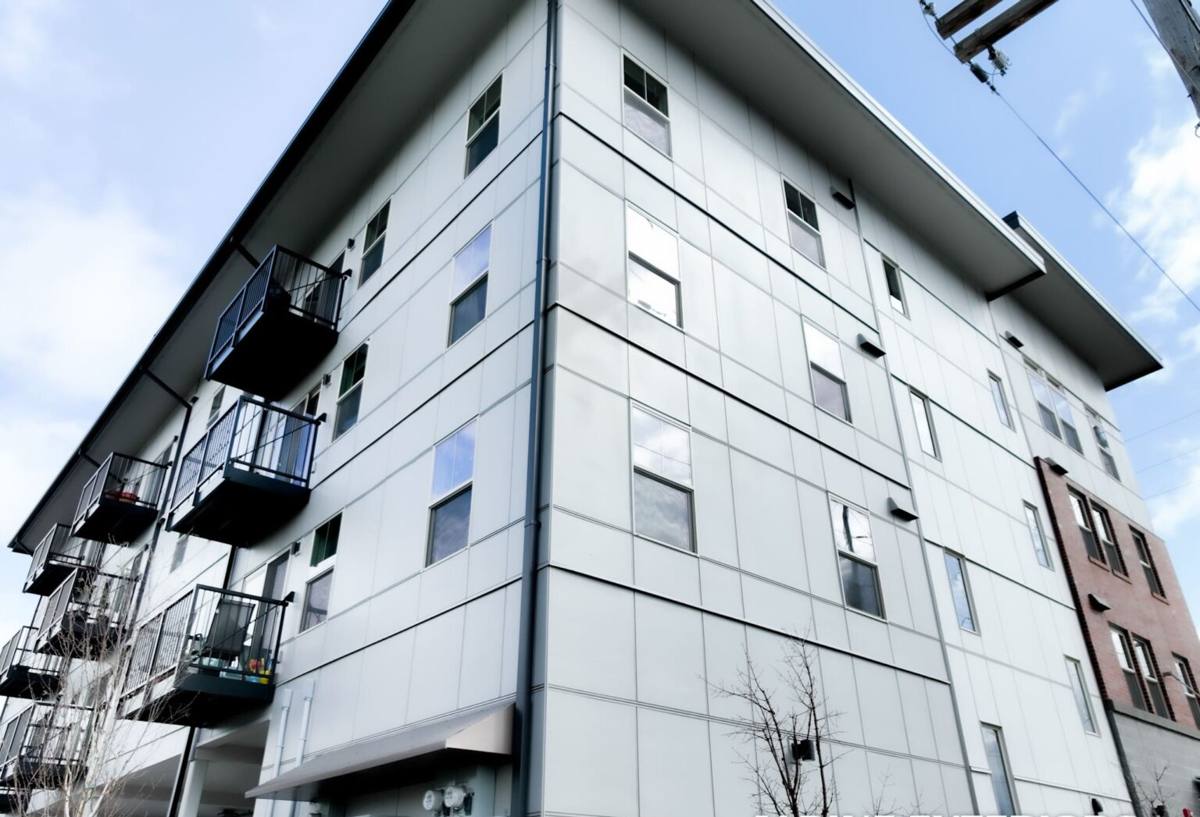
What Salt Air, Rain, and Moss Actually Do to a Home's Exterior
Salt Air
Airborne salt is corrosive to metal fasteners, trim, and flashing, and it accelerates the breakdown of coatings and finishes that weren't formulated to resist it. Over years, homes closer to open water tend to show chalking, fading, and finish failure sooner than the same materials would show inland. This isn't unique to Marietta — it's true anywhere homes sit near salt water — but it's a factor that has to be designed around here, not ignored.
Wind-Driven Rain
Whatcom County gets a lot of rain, and near the water it often arrives sideways rather than straight down. Wind-driven rain finds every gap, unsealed seam, and poorly lapped joint in a siding system. Materials that rely on a painted or caulked surface to stay water-tight are only as good as that seal — and seals degrade. What matters more long-term is whether water that does get behind the siding has somewhere to go.
Moss and Algae
Western Washington's moss season isn't a few weeks — it's most of the year in shaded, damp, north-facing conditions, which describes a lot of Marietta lots. Moss and algae need moisture and organic material to take hold. Siding that stays damp longer, or that has an organic component (like wood-based products), gives moss more to work with. Siding that sheds water quickly and doesn't feed organic growth simply has less to fight.
Why We Install Only James Hardie Fiber Cement
This company installs James Hardie siding exclusively. We don't install vinyl, LP SmartSide, cedar, primed spruce, or other fiber cement brands, and we're upfront about why: given what a Marietta shoreline exterior has to survive, we've standardized on the one product system we're confident will hold up to spec, decade after decade, without asking the homeowner to become its maintenance manager.
- Non-combustible — fiber cement doesn't burn, which matters given regional wildfire smoke seasons and general fire code trends in exterior materials.
- Not an organic material — unlike wood-based siding, fiber cement doesn't feed moss and algae the way cellulose-based products can.
- Factory-applied finish — ColorPlus finish is baked on under controlled conditions, rather than field-painted, which matters a lot in a climate where field paint jobs fight rain and humidity from day one.
- Dimensionally stable — fiber cement doesn't swell and shrink with moisture the way wood-based products can, which keeps joints and paint lines tighter over time.
- Strong transferable warranty — a real factor for resale in a market where buyers increasingly ask what the siding is and how old it is.
None of this means other products are worthless — LP SmartSide and vinyl both have honest use cases elsewhere. It means that for the conditions Marietta homes actually face, we don't think they're the right long-term answer, and we'd rather turn down that work than install something we don't believe in.
The Right James Hardie Product Line for This Climate
James Hardie engineers its siding by climate zone, not as a one-size-fits-all product. Western Washington falls into the wetter, freeze-thaw-capable HardieZone 5 formulation, which is built with the moisture exposure and temperature swings of coastal Pacific Northwest weather in mind — as opposed to the HZ10 formulation engineered for hot, humid southern climates. Getting this right isn't cosmetic; it affects how the material handles moisture cycling over the life of the siding.
For Marietta specifically, we typically talk through:
- Lap siding vs. panel systems — depending on the home's style and how much wall area faces prevailing wind and rain.
- ColorPlus color selection — factory-finished colors hold up to UV and salt air better than field-applied paint, and eliminate most repainting cycles.
- Trim and fascia coordination — matching trim boards to the siding system so the whole envelope sheds water consistently, not just the field of the wall.
What a Correct Installation Involves
James Hardie siding performs well in coastal, wet climates when it's installed to the manufacturer's specifications — and performs poorly when it isn't, regardless of how good the material itself is. Most premature siding problems we see aren't a product failure; they're an installation shortcut. For a Marietta home, the details that matter most include:
- A proper drainage plane or rainscreen gap behind the siding, so any moisture that gets past the outer layer has a path to drain and dry rather than sitting against the sheathing.
- Correct flashing at every penetration — windows, doors, hose bibs, vents, and roof-to-wall transitions — since these are where wind-driven rain actually gets in.
- Manufacturer-specified fastening — right fastener type, spacing, and depth, since over- or under-driven fasteners are a common source of early failure.
- Correct clearances from grade, roofline, and decks, so siding isn't sitting in a moisture trap at the bottom edge.
- Factory-cut and factory-primed edges wherever possible, with any field cuts properly sealed, since a bare cut edge is the fastest way for a fiber cement product to take on water.
Get these right and a Hardie installation shrugs off a wet Marietta winter for decades. Get them wrong and you can have moisture problems behind siding that looks fine from the street.
Our Process for a Marietta Job
- On-site assessment — we look at wall orientation, existing moisture damage, roofline exposure, and how close the home sits to open water or heavy shade, since those drive both product choice and detailing.
- Tear-off and sheathing check — removing existing siding is also when hidden rot or moisture damage from years of exposure gets found and addressed, not covered over.
- Drainage plane and flashing installation — this is the step that determines how the whole system performs, and it happens before a single piece of visible siding goes up.
- Hardie installation to spec — correct fasteners, spacing, and clearances, with trim and fascia work coordinated to the siding.
- Final walkthrough — checking caulk lines, paint touch-ups on cut edges, and clearances before we call the job done.
What Affects the Cost of a Hardie Siding Project in This Area
Every home is different, but the same handful of factors tend to move the price of a Marietta siding project up or down. We won't quote a number without seeing the house, but this is what to expect the conversation to cover:
| Cost Factor | Why It Matters Here |
|---|---|
| Existing siding removal | Tear-off complexity and any hidden moisture damage found underneath add labor before new siding goes up |
| Wall exposure to wind/rain | Sides facing open water or prevailing weather may need extra flashing or detailing attention |
| Home size and stories | More wall area and height affect labor, staging, and material quantities |
| Siding profile and trim complexity | Board-and-batten, varied trim widths, or custom detailing take more time than a straightforward lap job |
| ColorPlus vs. field-finished options | Factory finish reduces future repainting costs even where upfront pricing is similar |
| Drainage plane / rainscreen scope | Correcting or upgrading the moisture management layer behind the siding is a worthwhile investment near the water |
Questions to Ask Before You Hire a Siding Contractor Here
Whoever you hire, ask these before signing anything:
- Do you install James Hardie specifically, and are your installers trained on its current specifications?
- What's your plan for the drainage plane or rainscreen behind the siding?
- How do you handle flashing at windows, doors, and roof-to-wall transitions?
- What fastener type and spacing will you use, and is that written into the scope of work?
- Have you worked on homes in Marietta or similarly exposed parts of Whatcom County before?
- What does the warranty cover — material, labor, or both — and for how long?
Why a Crew That Already Works in Marietta Matters
Siding crews that mostly work drier, more sheltered neighborhoods don't always adjust their detailing for shoreline exposure — not out of carelessness, but because it simply hasn't come up as often. A crew that's used to Marietta's mix of salt air, wind-driven rain, and heavy shade tends to default to the extra flashing, drainage, and clearance detailing this location actually needs, rather than treating it as an afterthought. That local pattern-matching is worth something you can't easily put a price on: fewer callbacks, fewer surprises behind the wall five years down the road, and a job that was built for the address it's on.
If you're weighing a siding replacement or new build in Marietta, we're happy to walk the home with you, talk through what your specific exposure calls for, and give you a straightforward, no-pressure estimate — just fill out the form below.