 Custer
 Why Siding in Everson Has to Work Harder Than the Manufacturer's Average
Everson sits inside a stretch of Whatcom County that gets more moisture exposure than most siding is engineered for on paper. Homes here deal with a long stretch of driving rain through fall and winter, a marine-influenced air that carries salt and moisture further inland than people expect, and a moss and algae season that can run six months or longer on shaded walls. None of that is dramatic on any single day. It's the cumulative effect — years of wet siding drying slowly, north walls that rarely see direct sun, and wind-driven rain finding every gap in a wall system — that separates siding that lasts thirty years from siding that starts failing at twelve.
That's the lens we use on every Everson project. The product matters, but the product is only part of the equation. A wall assembly that manages water correctly, with the right fiber cement product installed to spec, is what actually holds up here.
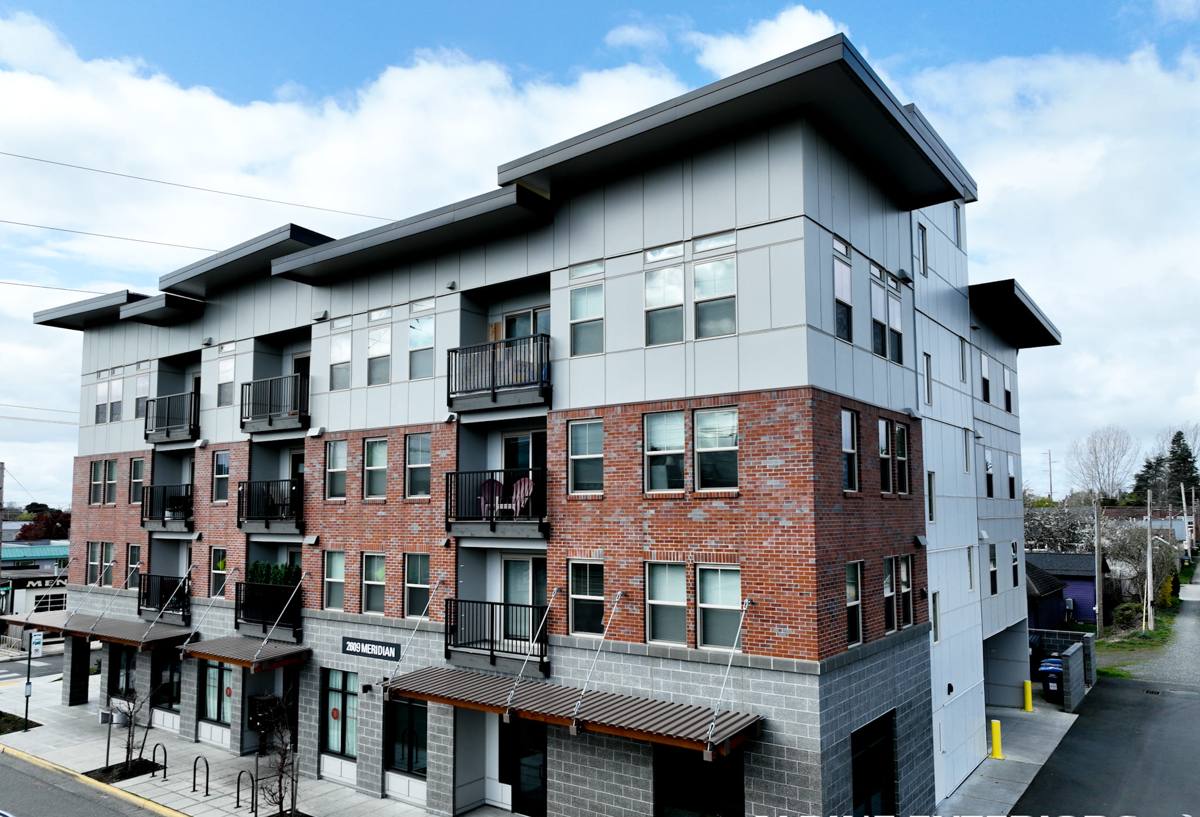
What a Correct James Hardie Installation Involves
James Hardie fiber cement siding is a strong material, but its long-term performance depends almost entirely on installation details that are easy to skip and impossible to see once the job is finished. This is where most of the difference between a good Hardie job and a problem Hardie job actually happens.
A Drainage Plane, Not Just a Barrier
Fiber cement siding needs a way for any moisture that gets behind it to drain and dry out. That means a proper weather-resistive barrier, correctly lapped and taped, and in most cases a rainscreen gap so water doesn't sit trapped against the sheathing. In a climate that sees as much driving rain as this one, skipping or shortcutting the drainage plane is the single most common reason siding fails early — and it's completely invisible once the siding goes up.
Fastening and Clearances
James Hardie publishes specific fastener types, spacing, and embedment requirements, along with minimum clearances from grade, roofing, decks, and other siding. These aren't suggestions — they're what keeps the warranty valid and what keeps water from wicking into the plank ends. Gaps at butt joints, proper flashing above windows and doors, and correct clearance at the bottom starter strip all matter more in a wet climate than a dry one.
Caulking Where It Belongs — And Nowhere Else
James Hardie's own installation guidance is specific about where caulk is required and where it should be avoided, because sealing the wrong joint can trap moisture instead of letting it drain. This is a detail that gets misapplied constantly, usually by crews used to vinyl or wood siding rules that don't apply to fiber cement.
Choosing the Right Product Line for This Climate
James Hardie engineers its siding by climate zone, and this part of Washington falls into the zone built for higher humidity and moisture exposure. That affects which formulation and which finish make sense for a home in Everson.
- HZ5 formulation: engineered for wetter, more humid climates like the Pacific Northwest, with moisture and freeze-thaw performance suited to this region rather than a drier, hotter climate zone.
- ColorPlus factory finish: baked-on finish applied under controlled conditions, which holds up better against UV and moisture cycling than field-applied paint, and comes with its own finish warranty.
- Lap siding vs. panel siding: lap profiles are the most common choice for traditional home styles in this area; panel siding suits more modern or accent applications. Both need the same drainage and fastening discipline underneath.
Primed Hardie board that gets painted on site is still fiber cement, but it shifts the finish's long-term performance onto the paint job and the repaint schedule — something worth weighing against ColorPlus up front, not after the first repaint is due.
Moss, Algae, and the Shaded Side of the House
Fiber cement doesn't rot the way wood siding does, but it isn't immune to surface growth. In Everson, north-facing walls and anything shaded by trees or fencing can hold moisture long enough for moss and algae to take hold on the surface, especially through the wetter months. That's a cosmetic issue on Hardie siding rather than a structural one, but it's worth planning for:
- Trim back vegetation that keeps a wall shaded and damp longer than the rest of the house.
- Keep gutters and downspouts clear so runoff isn't sheeting down a wall section repeatedly.
- A soft wash on affected areas periodically keeps growth from building up and staining the finish over time.
This is also where correct installation pays off again — siding installed with proper clearance and drainage dries out between rain events faster than siding installed tight against grade or trim, which shortens how long any given wall stays wet enough for moss to take hold.
Our Process for a Siding Job in Everson
- On-site assessment: we look at the existing siding, sheathing condition, trim, and any problem areas — bulging, soft spots, staining — before quoting anything.
- Tear-off and sheathing check: once old siding is off, we inspect sheathing for hidden moisture damage, which is common on older homes in this climate and needs to be addressed before new siding goes on, not covered up.
- Weather barrier and drainage plane: new house wrap or barrier, correctly lapped and sealed, with a rainscreen gap where the wall assembly calls for one.
- Installation to manufacturer spec: fastening, clearances, and flashing done to James Hardie's published requirements, not shortcuts that happen to look fine from the ground.
- Trim, caulk, and final detailing: corners, window and door trim, and joints finished correctly the first time.
- Final walkthrough and warranty registration: we register the installation so the manufacturer warranty is active, and walk the job with the homeowner before calling it done.
Why a Crew That Already Works in Everson Matters
Siding installation isn't identical everywhere. A crew that's worked repeatedly in this part of Whatcom County has already run into the specific problems local homes present — sheathing that's been quietly absorbing moisture behind old siding, older homes without a modern drainage plane, and the difference wind-driven rain off open fields makes compared to a more sheltered lot. That experience shows up in the small decisions made on site, not in anything you'd notice from a sales pitchThat familiarity also means fewer surprises mid-project: knowing what permitting looks like locally, what inspection expectations are, and what a house built in a given era around here is likely to have underneath its existing siding.
Cost Factors for a Hardie Siding Project
Every home is different, but the same handful of factors drive most of the cost variation we see on Everson projects:
| Factor | Why It Matters |
|---|---|
| Home size and wall complexity | More corners, gables, and trim detail mean more labor and material waste factor. |
| Tear-off and sheathing condition | Hidden moisture damage found during tear-off adds repair work before new siding can go on. |
| Product line and finish | ColorPlus finishes and specific colors or profiles carry different material costs than standard options. |
| Trim and accent work | Custom trim boards, soffit, and fascia work add labor beyond the field siding itself. |
| Site access | Steep lots, limited staging space, or multi-story walls affect labor time and equipment needs. |
We give honest, itemized numbers after an actual on-site look — not a per-square-foot guess that changes once the tear-off starts.
Signs Your Current Siding Is Already Behind
- Soft spots or visible bulging, especially near the bottom of walls or below windows
- Paint or caulk that needs redoing more often than it used to
- Persistent moss or dark staining that comes back quickly after cleaning
- Visible gaps, warping, or separation at joints and corners
- A musty smell or soft drywall on an interior wall that shares an exterior with problem siding
Any of these are worth a look before they turn into a sheathing repair on top of a siding job.
What to Check Before You Hire Anyone for This Work
- Ask specifically whether they install to James Hardie's published fastening and clearance requirements, not general fiber cement guidance
- Confirm whether a rainscreen or drainage gap is included in the wall assembly, and ask them to explain why or why not
- Ask how they handle sheathing repair if it's found during tear-off, and how that affects the price
- Check whether the installation will be registered for the manufacturer's warranty
- Ask for specifics on local experience — not just "we install siding," but work they've actually done in this area
If your Everson home needs new siding or you're not sure whether what's already on the walls is holding up the way it should, we're happy to take a look and give you a straight, no-pressure estimate — just fill out the form below.