 Custer
 Window Replacement Built for Ferndale's Coastal Climate
Ferndale sits close enough to the water and open farmland that its houses take a steady beating from salt-tinged air, wind-driven rain, and the long grey stretch of moss season that runs from fall through spring. Windows are one of the first places that shows up. Seals fail early, aluminum and low-grade vinyl frames pit or chalk, and wood sashes that aren't sealed well every year start soaking up moisture at the corners. None of that is unusual for this part of Whatcom County — it's just what the climate does to a window system that wasn't specified or installed for it.
This page is about window replacement specifically for Ferndale properties: what the climate demands, what a correct installation actually involves, and how we run the job from estimate to cleanup. If you're comparing this to a generic "window replacement" page elsewhere, the difference is regional — everything below assumes the wet, salt-air conditions Ferndale homes actually deal with, not a national average climate.
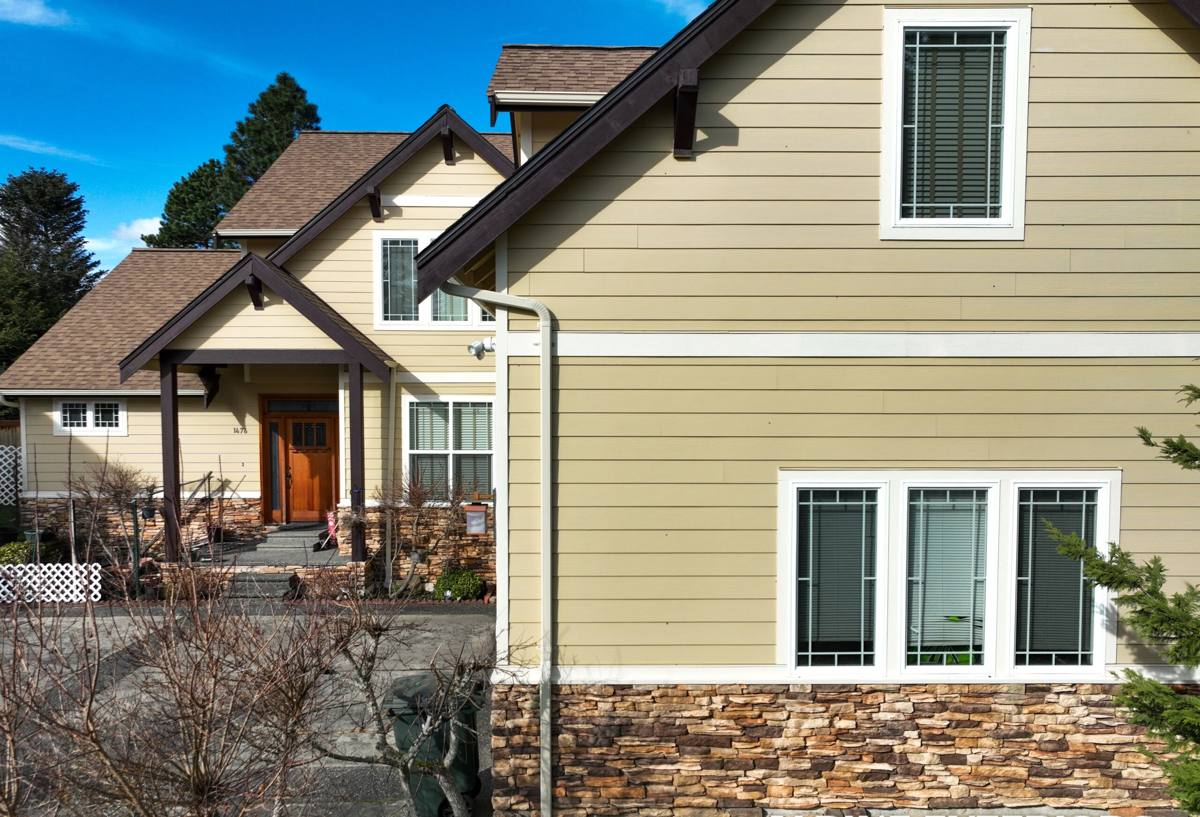
Signs Your Windows Are Losing the Fight
Most homeowners don't replace windows because they woke up one day and decided to. They replace them because something started bothering them enough to act. In Ferndale, the pattern is pretty consistent:
- Condensation building up between the panes — the seal has failed and the insulating gas is gone
- Visible fogging or a milky haze in the glass that won't clean off
- Drafts you can feel standing near the window on a windy day
- Wood sashes that are soft, discolored, or swelling at the bottom corners
- Difficulty opening, closing, or locking — frames have warped slightly out of square
- Green or black staining on sills and tracks, which is usually moss spore buildup finding a damp surface to grow on
- A noticeable jump in heating costs once the wetter months set in
Any one of these on its own isn't necessarily an emergency. Several of them together, especially on the sides of the house that catch the prevailing weather, usually means the window system has reached the end of what caulk and weatherstripping can fix.
What a Correct Window Replacement Job Actually Involves
Swapping glass into an existing hole is the easy part. The part that determines whether the window lasts fifteen years or fails in five is everything around it — flashing, sealing, and how the new unit ties into the wall assembly. In a climate that gets driving rain off and on for most of the year, that detailing isn't optional.
Removal and Opening Inspection
Every old window comes out carefully so we can actually see the rough opening — sill, jambs, and header. This is where hidden problems show up: soft or rotted framing, old flashing that was never installed correctly, or moisture staining that points to a leak that's been happening quietly for years. We flag anything like that before installing anything new, because sealing a new window into a wet or rotted opening just traps the problem.
Flashing and Water Management
Proper window flashing directs any water that gets past the exterior cladding back out, rather than into the wall cavity. This includes sill pan flashing, correctly lapped side and head flashing, and sealant placed so it sheds water instead of trapping it against the frame. This detail matters everywhere, but it matters more here — Whatcom County's rain isn't just frequent, a lot of it comes in sideways off the water on exposed elevations.
Air Sealing and Insulation
The gap between the new window frame and the rough opening gets filled with a proper low-expansion foam or backer rod and sealant — not just stuffed with fiberglass insulation, which does nothing to stop air movement and can actually hold moisture against the frame.
Interior and Exterior Finish
Trim, casing, and any siding disturbed during the swap get reinstalled or repaired so the finished look matches the house, and so the exterior finish continues doing its job of shedding water away from the new window.
Materials and Frame Types That Hold Up Here
Frame material matters more in a marine climate than most manufacturers' brochures let on. Salt air accelerates corrosion on certain metals, and constant damp cycles punish materials that absorb moisture. Here's how the common options actually perform in Ferndale's conditions, based on what we see coming out of houses during replacement work.
| Frame Material | Moisture / Salt-Air Performance | Maintenance | Typical Lifespan |
|---|---|---|---|
| Vinyl (quality mid-to-high grade) | Good — won't rot or corrode, handles damp cycling well | Low — occasional cleaning | 20–30 years |
| Fiberglass | Very good — dimensionally stable, resists warping in wet/dry swings | Low | 30+ years |
| Wood (unclad) | Poor unless maintained annually — absorbs moisture at joints and sills | High — repainting/sealing every few years | Varies widely with upkeep |
| Wood with aluminum or vinyl cladding | Good on exposed faces, but cladding seams and interior wood are still moisture-sensitive | Moderate | 20–30 years with care |
| Bare aluminum | Poor — pits and corrodes faster in salt-influenced air, conducts cold | Moderate to high | Shorter, especially near the coast |
We're not against wood windows on principle — plenty of homes look best with them, and a well-maintained wood window can last a long time. But we'll always be straight with you about the maintenance commitment a moisture-heavy climate puts on unclad wood, versus the lower-upkeep performance of a good vinyl or fiberglass unit. That's a trade-off you should make with full information, not one we make for you.
Glass Packages Worth Paying For
The frame gets most of the attention, but the glass package does a lot of the actual work. In this climate, a few upgrades consistently pay off:
- Double or triple pane with argon fill — better insulation value, less condensation risk on cold, damp mornings
- Low-E coatings — reduce heat loss in winter and cut glare/UV fading in the brighter summer stretches
- Warm-edge spacers — the material separating the panes matters; metal spacers conduct cold and are more prone to condensation and early seal failure than warm-edge designs
- Laminated or impact glass where wind exposure is high — worth discussing on elevations that take the brunt of storms off open ground or water
Our Process, Start to Finish
The process is the same whether it's two windows or the whole house — we just scale the schedule.
- On-site assessment. We look at existing windows, framing condition, and how water and wind hit the house on each elevation before recommending anything.
- Honest recommendation and quote. You get options at different price points with the real trade-offs explained, not just an upsell.
- Scheduling around the weather. Openings are only exposed for a short window during the swap, and we plan around forecasted rain rather than gambling on it.
- Removal and opening check. Old units come out, and we inspect and repair the rough opening before anything new goes in.
- Installation with proper flashing and sealing. New window set, shimmed level and plumb, flashed, foamed, and sealed correctly.
- Finish work. Interior trim and exterior cladding restored to match.
- Walkthrough and cleanup. We test operation and locks on every window and clear the site before we call it done.
What Drives the Cost
Every house is different, so we won't quote a number without seeing the job — but the main variables are consistent, and knowing them ahead of time makes for a more useful estimate conversation.
| Factor | Why It Moves the Price |
|---|---|
| Full-frame vs. insert (pocket) replacement | Full-frame removes and rebuilds the opening, including flashing — more labor, better long-term water management |
| Frame material | Vinyl is generally most affordable; fiberglass and clad-wood cost more upfront but often less over time |
| Glass package | Triple-pane, Low-E, and specialty coatings add cost but improve comfort and energy performance |
| Number and size of openings | Larger units and multi-window projects have economies of scale but higher total cost |
| Hidden rot or framing repair | Not knowable until the old window is out — this is why we flag it as a possibility upfront, not a surprise later |
| Access and elevation | Second-story or hard-to-reach windows take more time and sometimes equipment |
As a very rough starting point, straightforward mid-range vinyl replacements often land somewhere in the low-to-mid hundreds per window installed, with premium materials, larger openings, or full-frame work running higher. Treat that as context for a conversation, not a quote — the only accurate number comes from actually looking at your windows and openings.
Why It Matters That We Already Work in Ferndale
A crew that only does the occasional job in Whatcom County has to relearn the local conditions every time. A crew that works here regularly already knows which elevations of a typical Ferndale property take the worst of the weather, what flashing details actually hold up through a full wet season, and how moss and algae behave on sills and trim if they're not addressed at installation. That's not a marketing point — it changes real decisions on the job, like which side of the house gets extra attention on sealant, or whether a particular sill detail needs reinforcing before the new window goes in.
It also means we're not guessing at permitting norms, typical construction in the area's housing stock, or how a given product line actually performs once it's been through a few Whatcom County winters, rather than just what a manufacturer's spec sheet promises.
Before We Arrive: A Quick Homeowner Checklist
- Note which windows are hardest to open, closed with a draft, or visibly fogged — this helps prioritize during the walkthrough
- Check for soft spots or discoloration on interior sills and trim around each window
- Clear furniture, blinds, or window treatments from the immediate area ahead of the scheduled work
- Think through which rooms you can't have exposed for long (nursery, home office) so we can sequence around them
- Have a rough idea of your priorities — energy performance, easier operation, appearance, or simply stopping a leak — so the recommendation matches what actually matters to you
If you're dealing with drafty, fogged, or hard-to-operate windows anywhere in Ferndale, we're happy to come take a look and give you a straight, no-pressure estimate. Use the form below to get started.