 Custer
 Building Decks for Sumas Homes That Actually Hold Up
Sumas sits close to the Canadian border in one of the wetter corners of Whatcom County, and that shows up fast in how a deck ages here. A deck built the same way you'd build one in a dry climate starts showing problems within a few seasons — soft spots, green film on the boards, rust bleeding through fasteners, rail posts that wobble because the ground around the footing never fully dries out. We build decks in this area specifically for what this climate does, not for a generic spec sheet.
This page is about one service, in one place: custom deck construction and replacement for homeowners in and around Sumas. If you're comparing materials, wondering what a correct build actually involves, or just want to know what to expect from estimate to final walkthrough, this is written for you.
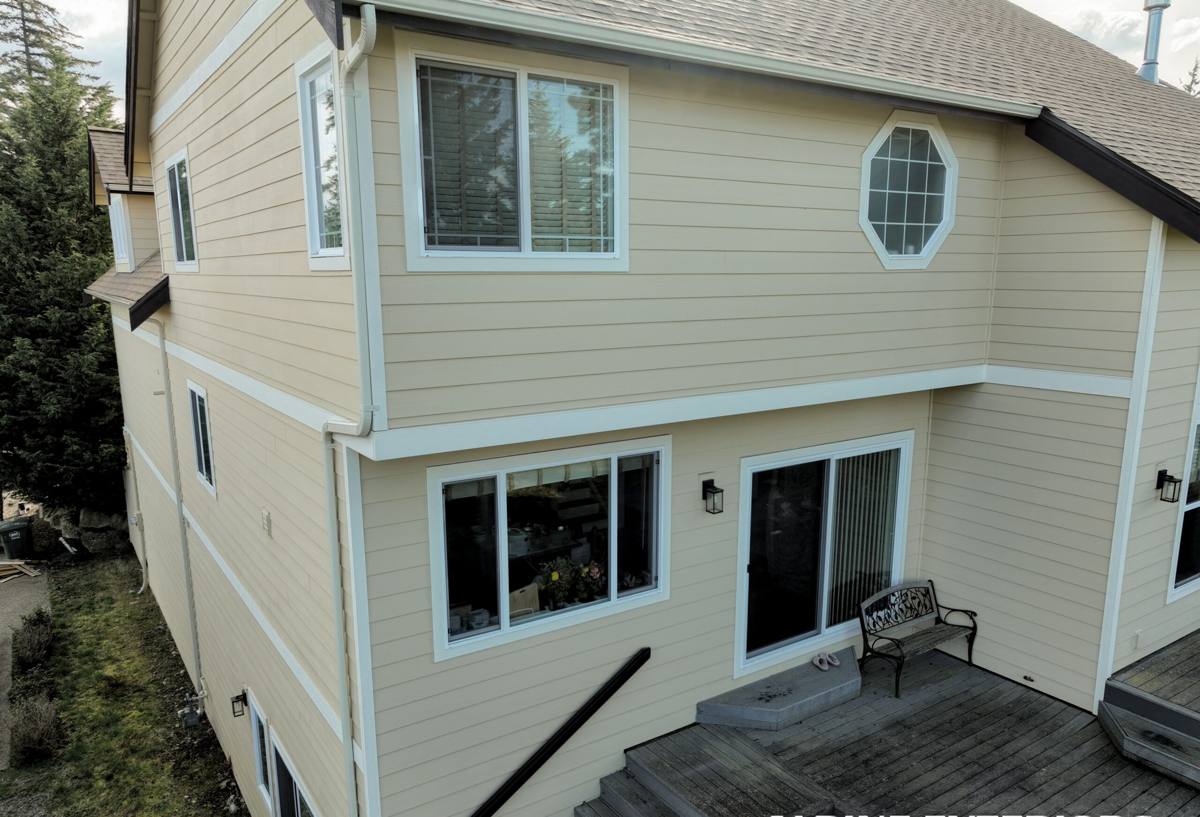
What the Local Climate Does to a Deck
Whatcom County weather is a mix of long stretches of driving rain, damp air off the Sound that carries salt inland on windy days, and short, intense sun in summer that dries wood out fast after months of saturation. That combination is hard on decks in a few specific ways:
- Moss and algae growth on any horizontal surface that doesn't get much direct sun, especially decks shaded by trees or on the north side of a house
- Fastener corrosion where standard screws and nails weren't rated for the moisture exposure, leading to rust streaks and eventually failed connections
- Wood movement — boards swelling when wet and shrinking when dry, which opens gaps, cups boards, and loosens fasteners over years of cycling
- Ledger board rot where the deck attaches to the house, if flashing wasn't installed correctly at the original build
- Slippery surfaces from moss buildup, which is a real fall hazard on stairs especially
None of this means a deck can't last decades here. It means the material choices, fastener grade, and drainage details all need to account for a long wet season rather than assume a dry-climate build will hold up unchanged.
Choosing the Right Decking Material
There's no single "best" decking material — the right choice depends on budget, how much upkeep you're willing to do, and how the deck will be used. Here's how the common options actually compare for a Sumas property:
| Material | Upfront Cost | Maintenance | How It Handles Our Climate |
|---|---|---|---|
| Pressure-treated wood | Lowest | Annual cleaning, re-staining every 2-3 years | Good if maintained; neglected boards moss over and gray fast |
| Cedar | Moderate | Regular sealing to hold color and resist moisture | Naturally rot-resistant but still needs upkeep against constant damp |
| Composite decking | Higher | Occasional washing, no staining or sealing | Handles moisture cycling well; some boards can still get slick with moss if never cleaned |
| PVC/capped polymer | Highest | Minimal — wash as needed | Fully sealed surface, best resistance to moisture and staining long-term |
We install all of these. What we don't do is recommend a material that doesn't fit how you actually use the deck. A low-maintenance composite or PVC board makes a lot of sense for a shaded deck that struggles with moss, since there's no wood grain for it to take hold in the way it can on cedar or treated lumber. A sun-exposed, well-drained deck can do fine in wood if you're willing to keep up with sealing on a schedule. We'll walk through the trade-offs honestly rather than push whatever has the best margin.
A Note on Composite and Warranty Structure
Composite and PVC decking come with manufacturer warranties that are typically tied to correct installation — proper spacing, correct fastener type, ventilation underneath. If a board is installed wrong, it can void that warranty even though the product itself is fine. Part of what you're paying for with a professional install is a build that actually qualifies for the warranty you think you're getting.
Framing and Structure: The Part You Don't See
The decking boards are what you notice, but the framing underneath is what determines whether the deck is safe and how long it lasts. In a climate like ours, the framing details that matter most are:
- Ledger flashing where the deck meets the house — this is the single most common source of hidden rot in older decks, since water that gets behind an improperly flashed ledger can rot the house's rim joist without any visible sign for years
- Footing depth and drainage so posts sit on stable ground rather than in saturated soil that shifts through wet-dry cycles
- Joist spacing appropriate to the decking material — composite and PVC often require tighter joist spacing than solid wood, which is a spec that gets missed if a crew builds every deck the same way regardless of material
- Airflow underneath so the frame can actually dry out between rain events instead of staying damp for weeks at a time
We use pressure-treated framing lumber rated for ground contact where applicable, and we flash ledger connections the way they need to be flashed for this climate, not the minimum code allows. This is the part of the job that doesn't show up in photos but is the actual difference between a deck that's solid at year fifteen and one that needs structural repair at year seven.
Rail Systems and Hardware
Rails and stairs take the most direct weather exposure and the most physical stress of any part of a deck, so this is not where to cut corners. A few things we treat as non-negotiable:
- Stainless steel or coated fasteners rated for exterior, high-moisture use — standard hardware corrodes and stains the surrounding wood or decking within a couple of seasons here
- Post-to-frame connections that meet current structural requirements, not just what "looks sturdy"
- Stair stringers cut and supported properly so they don't develop the bounce or sag that shows up in undersized or poorly fastened stairs
- Rail height and baluster spacing that meet code, which also happens to be what keeps kids and pets safe
Rail systems range from simple wood pickets to metal cable rail to glass panel systems. Each has different maintenance needs — cable rail, for instance, needs periodic tension checks, while wood rail needs the same sealing schedule as wood decking. We'll size that up against your budget and how much upkeep you want to sign up for.
Our Deck-Building Process
Every project runs the same basic path, adjusted for the size and complexity of the job:
- On-site assessment — we look at the existing structure if there is one, the yard's drainage and slope, sun exposure, and how you plan to use the space
- Material and layout discussion — honest comparison of decking materials, rail options, and layout given your budget
- Permitting — most new decks and many replacements in Whatcom County require a permit; we handle that paperwork rather than leaving you to figure it out
- Demo, if replacing an existing deck — including a check of the ledger and any framing that's hidden behind the old decking
- Framing — footings, posts, beams, joists, and ledger flashing built to hold up through wet winters, not just pass inspection
- Decking, rail, and stair installation — to manufacturer spec if composite or PVC, to standard construction practice if wood
- Final walkthrough — we go over the finished deck with you, including what maintenance it needs and on what schedule
Permits and Local Considerations
Deck permitting in unincorporated Whatcom County (which covers much of the Sumas area) generally depends on height above grade and total square footage, and setback rules apply depending on how close the deck sits to a property line. Rather than have you research this yourself, we pull the permit and handle inspections as part of the job. This also matters for resale — an unpermitted deck can become a problem when a home sells, since it can hold up financing or require retroactive permitting at that point.
Deck Maintenance for Sumas Properties
Whatever material you choose, a little regular upkeep goes a long way against this climate. Here's a realistic seasonal checklist:
- Sweep debris and standing leaves off the deck regularly, especially in fall — trapped organic matter is what feeds moss and holds moisture against boards
- Wash the surface at least once a year with a deck cleaner appropriate to the material (pressure washing wood at low pressure only, to avoid damaging the grain)
- Check and re-seal wood decking every 2-3 years, or sooner if water stops beading on the surface
- Inspect fastener heads and rail connections annually for rust, looseness, or corrosion staining
- Clear gaps between boards so water and debris can drain through rather than sit
- Check underneath the deck once a year for signs of moisture buildup or rot at the ledger connection
Composite and PVC decking cut most of this list down to just the washing step, which is a big part of why many homeowners in wetter climates move toward those materials for replacement projects.
Why Hire a Crew That Already Works in Sumas
Deck-building isn't complicated in theory, but building one correctly for this specific climate takes judgment that only comes from doing it here repeatedly — knowing which ledger flashing details actually keep water out through a real Whatcom County winter, which fastener grades hold up against the salt-tinged damp air, and which materials are worth the extra upfront cost versus which ones just add maintenance you'll resent in a few years. A crew that mostly works drier climates and treats every job the same way will build you a deck that looks right on day one and starts showing problems by year three.
We're a local siding and exterior contractor, and deck work fits the same skill set: exterior building envelope, moisture management, and materials that need to survive this specific weather pattern year after year. If you're planning a new deck or looking to replace one that's showing its age, we're glad to come take a look and give you a straightforward, no-pressure estimate using the form below.