 Custer
 Board & Batten in a Waterfront Climate
Sandy Point sits close enough to the water that homes there deal with a different set of conditions than siding a few miles inland. Salt-laden air off the water, wind-driven rain that hits walls sideways instead of straight down, and a long, damp moss season all put steady stress on exterior materials. Board and batten siding is a popular choice out here because the vertical lines and crisp shadow reveal suit the beach-cottage and Pacific Northwest coastal look a lot of Sandy Point homeowners want. But the style only holds up if the material underneath it and the installation itself are built for this specific exposure, not just installed the way a catalog photo shows it.
This page covers what board and batten siding needs to actually perform in Sandy Point, what a correct installation looks like, and why we install only James Hardie fiber cement for this application rather than wood or vinyl alternatives.
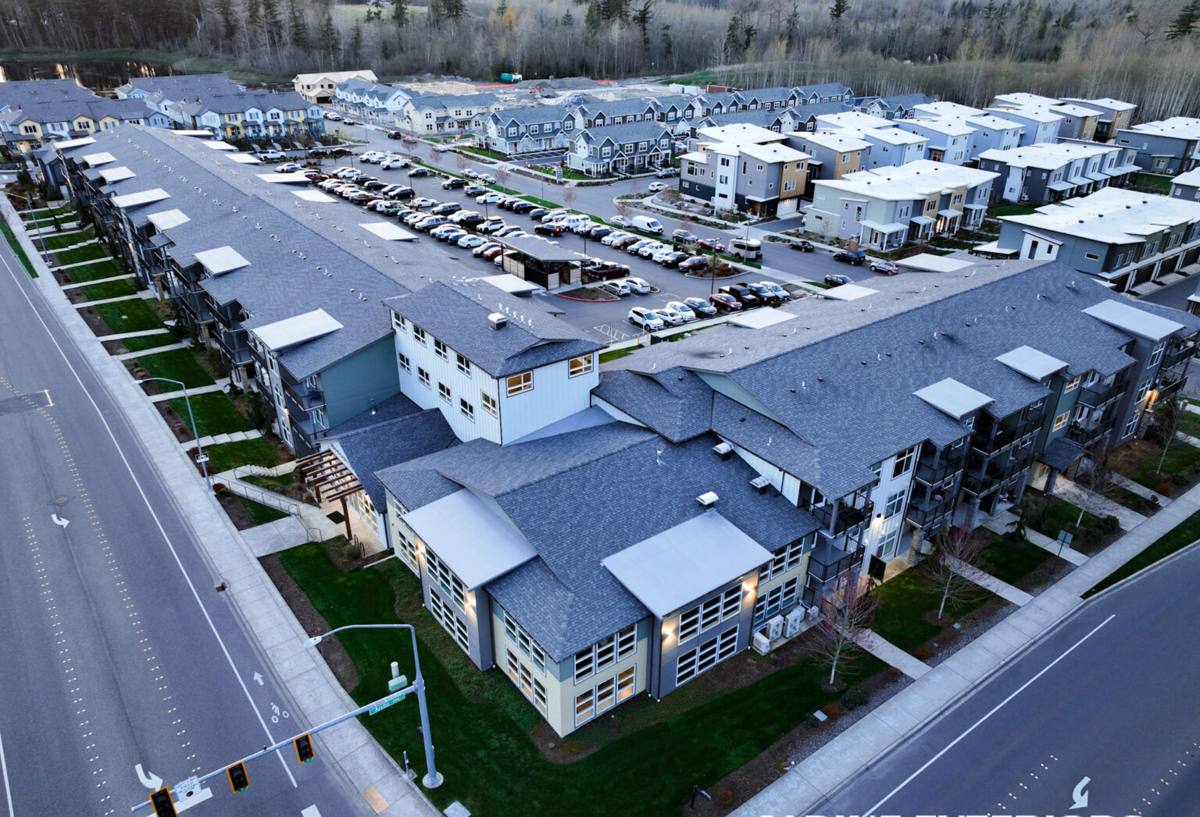
What Sandy Point's Climate Actually Does to Siding
Salt Air
Proximity to the water means airborne salt settles on exterior surfaces year-round, not just during storms. Salt is hygroscopic — it pulls moisture out of the air and holds it against whatever surface it lands on. On untreated or poorly sealed wood, that means slower drying and faster rot at joints and end grain. On metal fasteners and trim, it accelerates corrosion. Any board and batten system in Sandy Point needs a material and fastener package that's been engineered to shrug off that exposure, not just tolerate it for a season or two.
Driving Rain
Whatcom County storms often bring rain in sideways off the water, which means the vertical battens and panel seams on a board and batten wall take a direct hit that a flat lap siding wall doesn't see in the same way. Every seam, joint, and batten edge is a potential entry point if it isn't detailed correctly. This is a style where the quality of the installation matters as much as the quality of the material.
Moss Season
Long stretches of overcast, damp weather in fall through spring create ideal conditions for moss and algae growth, especially on siding that stays shaded by trees or sits on the north side of a house. Moss holds moisture against the surface it grows on. On wood or fiber cement that isn't properly primed and finished, that constant dampness is what eventually leads to soft spots, paint failure, or rot at panel edges.
What a Correct Board & Batten Installation Involves
Board and batten looks simple from the street — vertical boards with a batten strip covering each seam — but the assembly behind that look is what determines whether it lasts. A correct installation in a coastal, high-rain climate includes:
- A weather-resistant barrier installed over the sheathing, lapped correctly at every seam and penetration
- A drainage gap or furring strips behind the panels so any moisture that gets past the surface can drain and dry rather than sit against the wall
- Properly flashed window and door openings, with the siding integrated into that flashing rather than butted against it
- Fasteners rated for the exposure, driven at the correct depth and spacing so panels aren't over-driven or under-secured
- Batten placement and fastening that accounts for expansion and contraction rather than pinning panels rigidly in place
- Sealant only where the manufacturer specifies it — over-caulking a board and batten wall can trap moisture instead of keeping it out
Skip any one of these steps and the siding may look fine for a year or two before problems show up at the seams — which, on a board and batten wall, are the most visible part of the whole system.
Why We Install James Hardie for Board & Batten, Not Wood or Vinyl
Board and batten has traditionally been a wood-siding look, and vinyl board and batten panels exist as a cheaper alternative. We don't install either on Sandy Point homes, and it's worth explaining why.
| Material | How it handles this climate | Long-term trade-off |
|---|---|---|
| Solid wood board and batten | Traditional look, but end grain and seams absorb moisture readily; salt air and moss accelerate rot at joints | Repainting and caulk maintenance every few years; rot repair is common on shaded or low walls |
| Vinyl board and batten panels | Won't rot, but seams can allow water behind the panel with nowhere good to go; contracts and expands with temperature swings | Can warp or crack over time; panels are glued to a plastic core rather than a rigid substrate, which limits how well trim and fixtures can be secured to it |
| James Hardie fiber cement | Non-combustible, dimensionally stable, engineered moisture resistance; factory-applied ColorPlus finish resists the fading and chalking that salt air and UV cause | Heavier material and requires correct fastening and flashing detail during install — the trade-off is in installation care, not in the material's durability |
James Hardie's fiber cement board and batten systems (built from HardiePanel vertical siding with matching battens) are engineered specifically for wet climates through their HZ10 product line, which is formulated for the Pacific Northwest's combination of rain and moisture cycling. The factory-applied ColorPlus finish is baked on under controlled conditions, which holds color and resists moss-friendly surface degradation far better than field-applied paint on wood. It's also backed by a transferable warranty, which matters if you ever sell — a real consideration on a coastal property.
We're not going to tell you wood board and batten looks bad, because it doesn't — it's a classic look for a reason. But we've made a standard as a company: we only install products we're willing to stand behind for the long haul in this specific climate, and fiber cement is what holds up here without the repaint cycle wood demands or the seam vulnerabilities vinyl carries.
Our Process for a Sandy Point Board & Batten Project
1. On-Site Assessment
We look at wall exposure — which sides face prevailing wind and driving rain, which sides stay shaded and collect moss, and where the existing siding or sheathing shows signs of past moisture problems. This shapes decisions on drainage detailing before a single panel goes up.
2. Tear-Off and Substrate Check
Removing the old siding lets us actually see the sheathing underneath. Any soft spots, existing rot, or prior water damage get addressed before new siding goes on — covering a problem with new siding just hides it for a while.
3. Weather Barrier and Drainage Plane
We install the water-resistive barrier and furring or drainage matting appropriate to the wall's exposure, paying particular attention to window and door flashing integration.
4. Panel and Batten Installation
Panels and battens go up to Hardie's fastening specifications, with attention to expansion gaps and correct nailing depth — over-driven fasteners are one of the most common causes of early fiber cement siding failure, and it's an installer error, not a product flaw.
5. Trim, Sealant, and Final Walkthrough
Sealant is applied only where specified, trim is finished, and we walk the finished job with you before calling it done.
Living With Board & Batten in This Climate: A Maintenance Checklist
Even a correctly installed, high-quality board and batten system benefits from basic upkeep in a marine, moss-prone climate:
- Rinse salt residue off the siding once or twice a year with a garden hose, especially on walls facing the water
- Keep gutters clear so overflow doesn't run down the wall and feed moss growth
- Trim back vegetation and tree limbs that keep a wall shaded and damp longer than the rest of the house
- Check caulking at window and door trim annually and have any cracked sealant addressed promptly
- Have moss or algae growth washed off gently rather than left to spread — a soft wash, not pressure washing directly into seams
- Watch for any soft spots or discoloration at the base of walls, a common early sign of moisture intrusion anywhere in Whatcom County
Cost Factors for Board & Batten Siding in Sandy Point
Every home is different, but the same handful of factors drive cost on most board and batten projects in this area:
| Factor | Why it matters |
|---|---|
| Existing siding removal | Tear-off of old wood or vinyl adds labor and may reveal sheathing repairs |
| Wall height and access | Multi-story walls or limited equipment access near shoreline lots take more time and staging |
| Trim complexity | Homes with more windows, dormers, or architectural detail require more precise flashing and cutting |
| Substrate condition | Rot or moisture damage found during tear-off needs repair before new siding goes on |
| Color and finish selection | Factory ColorPlus finishes vary by line, and some premium colors cost more than standard options |
We give a firm, itemized number after seeing the house in person — broad averages online won't reflect what your specific walls and access actually require.
Why Hiring a Crew That Already Works Sandy Point Matters
Sandy Point isn't a typical inland neighborhood, and siding crews who mostly work farther from the water don't always plan for its particular demands. A crew that's already worked in and around this community knows which wall orientations take the worst of the wind-driven rain, how shaded lots near the water hold onto moss longer than open ones, and how to sequence a job around tighter lot access that's common on waterfront and near-waterfront streets. That local pattern recognition shows up in small decisions — where to add extra flashing attention, which walls need a more robust drainage detail — that a generic install approach can miss. It also means a shorter drive for warranty visits or questions down the road, which matters on a coastal property where you want your contractor actually familiar with the conditions your house lives in, not guessing from a spec sheet.
If you're considering board and batten siding for a home in Sandy Point, we're happy to take a look and walk you through what it would involve for your specific walls and exposure. The estimate is free, there's no pressure, and you'll get a straight answer about what your house actually needs — just fill out the form below to get started.