 Custer
 Sandy Point's Siding Problem Isn't Like Inland Custer's
Sandy Point sits right up against the water, and that changes what your siding is up against every single day. Homes a few miles inland in Custer deal with plenty of rain and moss, but Sandy Point adds salt air on top of it — a steady drift of moisture and airborne salt that settles on exterior walls, works into seams and fastener heads, and never fully lets up even on dry days. Add driving rain off the Strait and a moss season that can stretch from fall through spring, and you've got a siding environment that punishes anything less than a correctly installed, genuinely weather-resistant product.
This isn't a page about siding in general. It's about what siding replacement actually needs to accomplish on a Sandy Point home, and what a correct job looks like when the crew doing it already understands this stretch of Whatcom County waterfront.
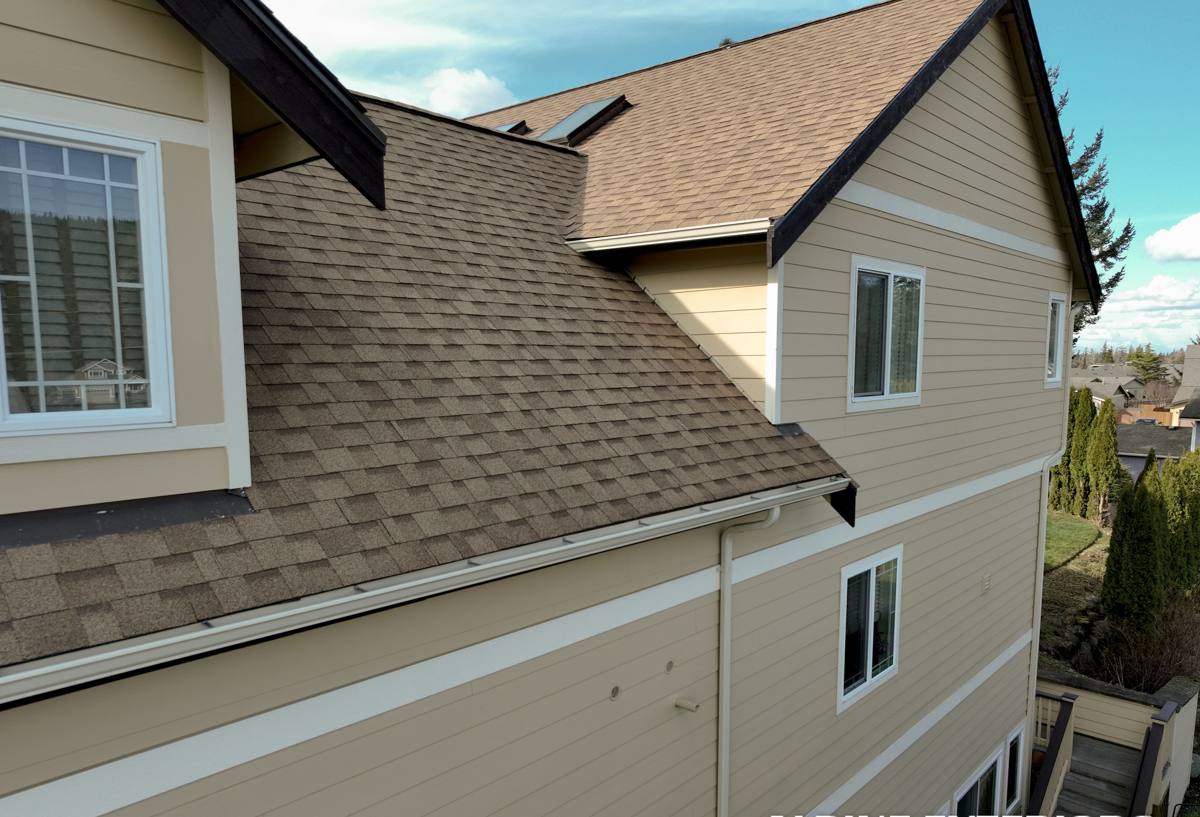
What Salt Air, Rain, and Moss Actually Do to Siding
Salt Air
Salt is hygroscopic — it pulls moisture out of the air and holds it against whatever surface it lands on. On siding, that means fastener heads, seams, and any exposed cut edges stay damp longer than they would a few miles inland. Over years, that constant low-grade moisture exposure accelerates corrosion on hardware and finds its way into any gap in the water-management system behind the siding.
Driving Rain
Wind off the water doesn't just fall on siding, it drives into it — sideways, under laps, and into any joint that wasn't sealed or flashed correctly. A siding system built for calmer inland exposure can get away with sloppier lap spacing or caulk-and-hope seams. A waterfront home can't.
Moss and Sustained Dampness
Whatcom County's long wet season means anything that holds moisture against a wall — cedar, primed wood, or siding installed too close to grade or landscaping — becomes a host for moss and mildew growth. That growth holds even more water against the surface, and the cycle compounds.
Why We Only Install James Hardie Fiber Cement Here
We don't install vinyl, LP SmartSide, cedar, primed spruce, Cemplank, or Allura, and Sandy Point is one of the clearest examples of why. This is a marine exposure zone. Wood-based products, even engineered ones with treated strand and resin coatings, rely on an intact factory seal to keep moisture out — and once that seal is compromised at a cut edge, a fastener, or a scuffed corner, moisture gets in and doesn't leave quickly in this climate. Vinyl handles moisture fine on its own, but it expands and contracts more than fiber cement, and in sustained salt-laden wind it tends to show its seams, fade unevenly, and take wind-driven impact damage more visibly over time.
James Hardie fiber cement is cement, sand, and cellulose fiber — it doesn't rot, it isn't a food source for moss or mildew, and it isn't fazed by salt exposure the way bare or painted wood is. Hardie's HZ5 product line is specifically engineered for cold, wet climates like ours, and the factory-applied ColorPlus finish is baked on and warrantied to resist fading and chipping far better than field-applied paint. For a Sandy Point property, that's not a marketing detail — it's the difference between a wall that needs attention in five years and one that doesn't need attention for decades.
What a Correct Siding Replacement Involves Here
Replacing siding on a waterfront Custer-area home is not just pulling old boards and hanging new ones. The work that matters most is often invisible once the job is done.
- Full tear-off and inspection: old siding comes off so the sheathing underneath can actually be checked, not guessed at, for rot or hidden water damage — common on older Sandy Point homes that have taken decades of salt air.
- Water-resistive barrier, done right: a correctly lapped and taped weather barrier behind the siding, since this is the layer that actually keeps driving rain out if wind ever gets past the surface.
- Proper flashing at every penetration: windows, doors, vents, and any wall penetration get flashed so water sheds outward, not into the wall cavity.
- Correct fastening: Hardie has specific nailing and fastener-spacing requirements, and using the wrong fastener type in a salt-air environment is how corrosion problems start early.
- Rain-screen or proper clearance where called for: a gap that lets any incidental moisture behind the siding drain and dry, instead of sitting against the sheathing.
- Correct clearance from grade, decks, and landscaping: siding installed too close to soil or plantings stays damp longer and is where moss gets its first foothold.
Our Process for a Sandy Point Siding Replacement
- On-site assessment. We walk the exterior, check for signs of moisture intrusion, rot, or failed sealant, and look at how the home is exposed to wind and rain off the water.
- Scope and product selection. We talk through which Hardie profile and HZ line fits the home and confirm color and trim details.
- Written estimate. Clear scope, materials, and price — no vague allowances.
- Tear-off and sheathing check. Old siding comes off, sheathing gets inspected, and any damaged sections are addressed before anything new goes up.
- Water management install. Barrier, flashing, and drainage details go in first, since this is the layer doing the real work over the next 30-plus years.
- Hardie installation to manufacturer spec. Correct fasteners, spacing, and lap details — installed to hold up to the specific conditions Sandy Point sees.
- Final walkthrough. We go over the finished work with you before calling the job done.
Signs Sandy Point Homeowners Should Watch For
| What You See | What It Usually Means |
|---|---|
| Soft or bubbling spots on siding | Moisture has gotten behind the surface and is affecting the substrate |
| Persistent green or black growth | Moss or mildew holding moisture against the wall, common in shaded or low-clearance areas |
| Peeling or chalky paint | Field-applied finish breaking down faster than expected under salt air and UV exposure |
| Rust streaks near fasteners | Hardware corroding, often a sign of the wrong fastener type for the exposure |
| Visible gaps or warping at seams | Expansion and contraction working joints loose, especially common on wood-based or vinyl products |
Cost Factors Specific to a Waterfront Job
Every siding replacement estimate depends on square footage, home shape, and existing condition, but a few factors show up more often on Sandy Point properties specifically:
| Factor | Why It Matters Here |
|---|---|
| Existing wall damage from prior moisture intrusion | Waterfront homes are more likely to need sheathing repair before new siding goes on |
| Wind exposure on the water side | May call for additional fastening detail or a heavier profile on exposed elevations |
| Access and site conditions | Waterfront lots can have tighter access or landscaping that affects staging and cleanup |
| Trim and flashing scope | Homes with more window and door penetrations need more flashing detail work, which adds labor |
We don't quote from a distance sight-unseen for this reason — a proper estimate for a Sandy Point home means actually looking at what's there.
Why It Matters That We Already Work This Area
Siding crews that mostly work inland can underestimate what a waterfront property in Whatcom County actually needs — tighter flashing details, the right fastener choices, and realistic expectations about moss and drainage. A crew that already services Sandy Point and the surrounding Custer waterfront knows which elevations take the worst of the wind, where moss tends to establish first, and how to sequence a tear-off around this area's weather windows instead of guessing. That local familiarity shows up in fewer callbacks and a job that's built for the exposure it'll actually face, not a generic install.
What a New Hardie Siding System Gives You Long-Term
Done correctly, a James Hardie replacement on a Sandy Point home means a non-combustible exterior that doesn't feed moss or mildew, a factory finish that's warrantied against fading and chipping far longer than field-applied paint, and a product engineered specifically for cold, wet Pacific Northwest exposure. It's not the cheapest material on the market up front, but for a home taking direct salt air and driving rain, it's the option that doesn't ask you to keep maintaining it just to keep up.
If you're weighing a siding replacement for a Sandy Point property, we're happy to come take a look and walk you through what your home specifically needs — no pressure, no generic quote. Reach out for a free estimate using the form below.