 Custer
 Cherry Point Sits in a Different Weather Zone Than Most of Whatcom County
Cherry Point is close enough to the water that homes there deal with a different combination of stresses than a house a few miles inland in Custer or Ferndale. You get salt-laden air coming off the Strait of Georgia, wind-driven rain that hits siding sideways instead of just running down it, and a long stretch of the year — fall through spring — where surfaces stay damp long enough for moss and algae to take hold. None of those things individually is unusual for northwest Washington. Together, and constantly, they're hard on exterior materials that weren't built to take that combination for decades at a time.
This page is about one thing: what it actually takes to install siding correctly on a Cherry Point home, and why that installation needs to account for the site, not just the product.
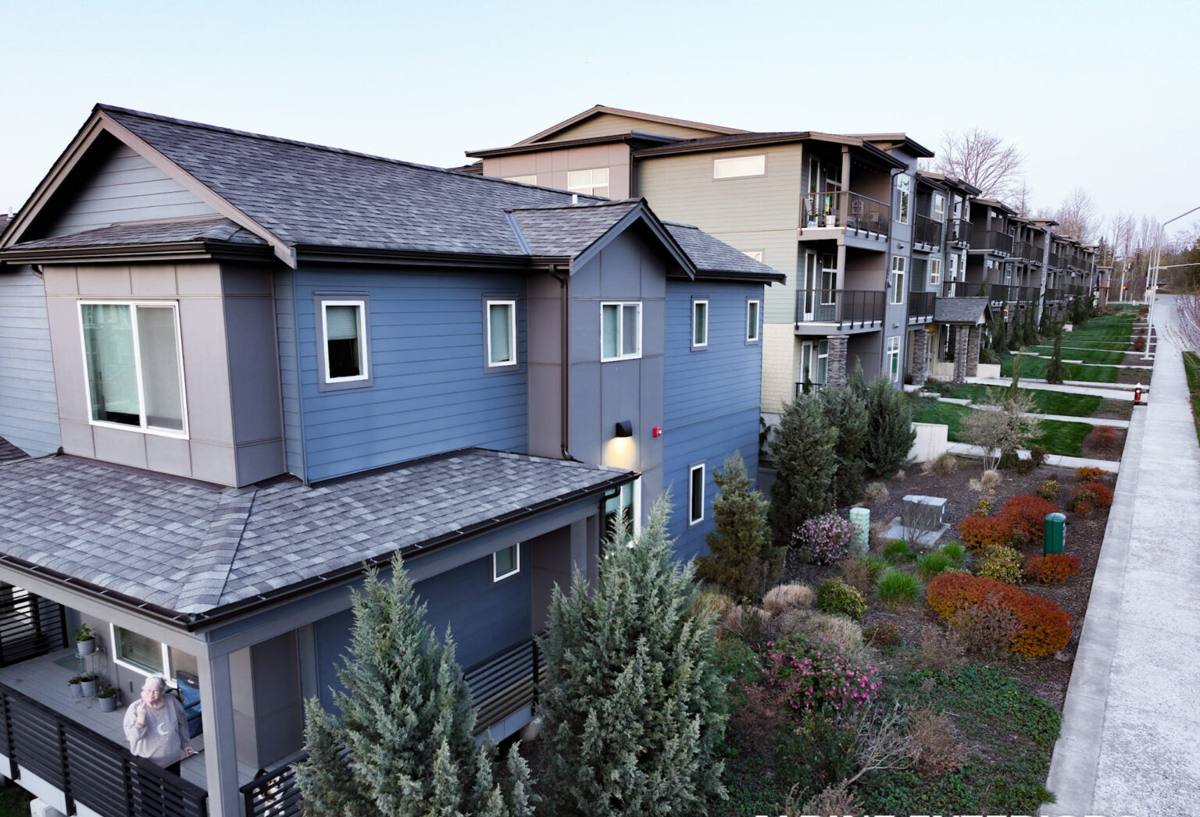
What Salt Air, Driving Rain, and Moss Season Actually Do to a Wall
Salt air
Airborne salt is corrosive to exposed metal — fasteners, flashing edges, trim connectors — and it accelerates the breakdown of finishes that aren't formulated to resist it. On a shoreline-adjacent property, that corrosion clock runs faster than it does a few miles inland. Fasteners that are barely adequate in a dry climate can start showing rust streaks and losing holding power years earlier near the water.
Wind-driven rain
Rain that comes in sideways off open water finds every weak seam, gap, and unsealed penetration a siding job has. Vertical rain mostly runs off a wall. Wind-driven rain gets pushed up under laps, into butt joints, and around window and door trim if those details weren't built with a real drainage plane behind them. A siding job that "looks fine" from the street can still be letting water behind the cladding if the flashing and water-resistive barrier weren't done right.
Moss and prolonged dampness
Whatcom County's wet season is long, and Cherry Point's proximity to the water adds humidity and slower drying times on top of that. Moss and algae aren't just cosmetic — they hold moisture against the siding surface for extended periods, which is exactly the condition that causes swelling, delamination, and paint failure in materials that are moisture-sensitive to begin with.
Why We Install Only James Hardie Fiber Cement
We standardized on James Hardie fiber cement siding for every home we work on, including Cherry Point, and we don't install LP SmartSide, vinyl, Cemplank, Allura, primed spruce, or cedar. That's not a marketing position — it's a decision based on what holds up in this specific environment over decades, not just the first several years.
What that gets you
- Fiber cement doesn't absorb and swell the way wood-based or engineered-wood siding products can when they stay damp for weeks at a time.
- It's non-combustible, which matters for wildfire-adjacent insurance considerations even in a wet climate.
- Hardie's HZ5 product line is engineered for climates with freeze-thaw cycling and sustained moisture exposure — the Pacific Northwest is one of the regions that line is built for.
- The ColorPlus factory finish is baked on under controlled conditions, which holds color and resists fading and chalking better than field-applied paint, and it comes with its own finish warranty separate from the substrate warranty.
- James Hardie backs the product with a transferable warranty, which matters to resale value on a waterfront or near-waterfront property where buyers are already asking harder questions about exterior condition.
Why not the alternatives
Vinyl can crack and distort with UV and temperature swings, and it doesn't hold up structurally the way a rigid fiber cement panel does in high-wind exposure. Engineered wood products like LP SmartSide use wood strand cores with resin binders — a reasonable product in the right climate, but wood-based cores are inherently more sensitive to sustained moisture than cement-based ones, and a marine-exposed lot doesn't give a wall much of a break between rain events. Primed spruce and cedar are natural wood — beautiful, but they demand a maintenance schedule (recoating, caulking, spot repairs) that most homeowners underestimate, and moss season here shortens the interval between that maintenance a lot. We're not saying these products fail on day one. We're saying we've made a professional call that for this climate, fiber cement is the material we're willing to put our install behind, and we'd rather turn down a job than install something we don't believe holds up here.
What a Correct Installation Looks Like in a Marine-Exposure Location
The siding material is only part of the equation. A lot of the water problems we get called out to fix on other contractors' work trace back to installation details, not the product itself.
Water-resistive barrier and flashing
Every penetration — windows, doors, hose bibs, light fixtures, vents — needs to be flashed so water is directed out and away from the wall assembly, not just caulked and hoped for. The water-resistive barrier behind the siding has to be lapped correctly, shingle-style, so water draining down the wall stays on the outside of the barrier the whole way down.
Fastening and clearance
James Hardie specifies fastener type, spacing, and embedment for a reason — under-driven or over-driven nails, or the wrong fastener material, are a common source of early failure, and that failure shows up faster in salt air. Ground clearance and clearance from roof lines and decks also matter more here, since standing moisture at the base of a wall or under an overhang without proper drip edge is where moss and rot problems start.
Joint treatment and caulking
Butt joints, trim-to-siding transitions, and corner details need to be sealed with a product rated for the movement and moisture exposure they'll actually see — not the cheapest caulk that will pass inspection. In a wind-driven-rain environment, this is one of the details that separates a job that lasts 30-plus years from one that's showing water stains at year five.
Our Process for a Cherry Point Project
- Site walk and assessment — we look at wind exposure, existing moisture damage, roofline and drainage, and what's actually going on behind the current siding before we quote anything.
- Removal and inspection of the sheathing — this is where hidden rot or past water intrusion shows up, and it needs to be addressed before new siding goes on, not covered up.
- Water-resistive barrier and flashing installed to spec — this is the step that determines whether the wall stays dry for the next few decades.
- James Hardie panel or lap installation — fastened, spaced, and gapped to manufacturer specification, sized appropriately for the HZ5 climate zone.
- Trim, caulking, and final detail work — the places where most callbacks originate on other jobs are where we spend the most attention.
- Walkthrough — we go over the finished work with the homeowner before we consider the job done.
Cost Factors for a Cherry Point Siding Project
Every home is different, but these are the variables that tend to move the price on a project in this specific location:
| Factor | Why it matters near Cherry Point |
|---|---|
| Wall exposure to prevailing wind/rain | Sides facing open water or prevailing weather often need extra flashing and joint detail |
| Condition of existing sheathing | Waterfront-adjacent homes are more likely to have hidden moisture damage that needs repair before re-siding |
| Home size and wall complexity | Dormers, multiple gables, and cut-ins add labor and detail work regardless of location |
| Product line (lap vs. panel, HZ5 specification) | Climate-engineered Hardie lines cost more than standard but are the right spec for this exposure |
| Trim and accessory scope | Fascia, soffit, and trim replacement done at the same time affects both cost and long-term water performance |
We'll walk through actual numbers for your home during an estimate — broad ranges without seeing the house aren't much use to you.
Living with Fiber Cement Siding in a Salt Air, Moss-Season Climate
Fiber cement cuts down on maintenance compared to wood and holds up better than vinyl in high wind and salt exposure, but "low maintenance" isn't "no maintenance." A short, honest checklist for homeowners in this area:
- Rinse siding periodically to clear salt residue and organic buildup, especially on north- and shore-facing walls that stay damp longest.
- Keep gutters and downspouts clear so water isn't sheeting down the wall face during heavy rain.
- Trim back vegetation and tree cover that keeps a wall section shaded and slow to dry — that's where moss establishes first.
- Watch caulked joints and trim transitions for cracking or gaps and have them resealed before they become water intrusion points.
- Have any impact damage or fastener issues addressed promptly rather than waiting — small gaps are cheap to fix and expensive to ignore.
Why It Matters That We Already Work in Cherry Point
Installation details that are optional a few miles inland aren't optional here. A crew that mostly works drier, more sheltered lots inland can do a technically fine job and still miss the flashing and clearance details that a shoreline-exposed wall actually needs, simply because it's not what they see every day. We've done siding work throughout Custer and the surrounding Whatcom County shoreline area, so the wind exposure, the moss patterns, and the water behavior on these lots aren't a guess for us — they're the baseline we plan every job around.
If you're considering new siding, a repair, or you're not sure whether your current siding is holding up the way it should against this location's weather, we're happy to take a look. Reach out for a free, no-pressure estimate using the form below.