 Custer
 Roof Repair Built for California Creek Conditions
California Creek sits close enough to the water that roofs here take a different kind of beating than roofs twenty miles inland. Salt-laden air off the strait works on exposed metal fasteners and flashing year-round. Driving rain off winter storms finds every weak seam. And the long, damp moss season that runs from fall through spring keeps roof surfaces wet for weeks at a stretch, which accelerates rot in anything that isn't shedding water cleanly. A roof repair here isn't just patching a leak — it's addressing why that leak started in the first place, and whether the same conditions are quietly working on the rest of the roof.
We work on homes throughout the Custer area, and California Creek roofs show a consistent pattern: problems cluster around flashing, fastener corrosion, and moss-related wood decay rather than failed field shingles. Knowing that pattern before we climb the ladder means a faster, more accurate diagnosis and a repair that holds.
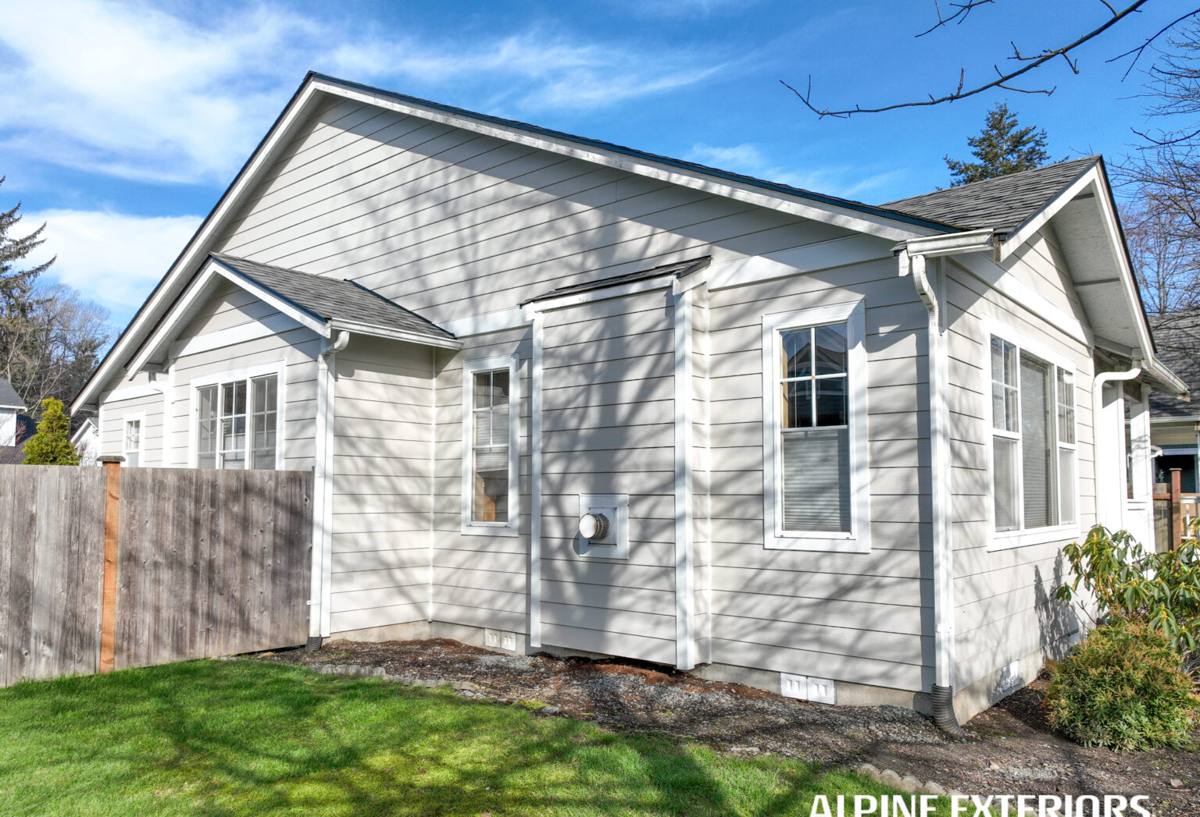
Why This Climate Is Hard on Roofs
Salt Air and Metal Fatigue
Homes near the water deal with airborne salt that settles on every exposed surface, including roofing. Salt accelerates corrosion on galvanized fasteners, exposed nail heads, metal flashing, and vent caps. Once a fastener starts to rust, it loses its grip on the roofing material below it, and that's often where a small leak begins. Standard roofing nails and lower-grade flashing simply don't hold up as long this close to the water as they would further inland.
Driving Rain and Wind-Driven Water
Whatcom County storms don't always drop rain straight down. Wind pushes it sideways and up under shingle edges, around chimney flashing, and into any gap where two roof planes meet. A roof that would shed a calm rain without issue can leak during a wind-driven storm if the flashing details weren't built for that kind of pressure. This is why so many "mystery leaks" only show up during specific storm conditions rather than every time it rains.
The Long Moss Season
Moss doesn't just look bad — it holds moisture against the roof surface and lifts shingle edges as it grows, creating channels for water to work its way underneath. In a climate where roofs can stay damp for weeks without a real drying window, moss gets a long runway to do damage. Left unaddressed, moss growth is one of the most common reasons a roof that's only 12-15 years old starts developing soft spots and leaks well before its expected lifespan.
What a Correct Roof Repair Actually Involves
A roof repair done right starts with figuring out the actual source of the problem, not just the spot where water is showing up inside the house. Water often travels along the underlayment or roof deck before it drips through the ceiling, so the visible stain and the real entry point can be several feet apart.
Our Diagnostic Process
- Inspect the roof surface for lifted, cracked, or missing shingles and worn flashing
- Check all flashing points — chimneys, vents, skylights, wall intersections, and valleys
- Look for moss or algae growth and assess how far it has spread and how long it's been established
- Examine fasteners and exposed metal for corrosion consistent with salt exposure
- Trace interior water stains back to their actual entry point, not just the nearest visible damage
- Check attic ventilation and insulation for moisture buildup that can mimic or worsen a roof leak
Once we know the real cause, we give you a straight answer: what needs to be repaired now, what's worth watching, and what would just be spending your money for no real benefit.
Common Repairs We Handle in California Creek
Flashing Repair and Replacement
Flashing is the metal that seals transitions — around chimneys, at wall-to-roof joints, in valleys, and around any roof penetration. In a driving-rain climate, flashing does more of the water-shedding work than people realize. When it corrodes or was installed with gaps, that's usually where leaks start. We replace failed flashing with materials suited to salt-air exposure and seal transitions properly the first time.
Moss Removal and Prevention
We remove moss carefully to avoid damaging the shingle surface underneath, then address the conditions that let it grow back so fast — usually shaded, damp areas with limited airflow. Zinc or copper control strips near the ridge can help slow regrowth over time, which matters in a climate where moss has months to establish itself every year.
Shingle and Underlayment Repair
Localized shingle damage from wind, debris, or age gets repaired by matching the existing material as closely as possible and making sure the underlayment beneath the repair is intact. If underlayment has been compromised by long-term moisture, patching shingles alone won't solve the underlying problem.
Fastener and Fixture Corrosion
Where salt corrosion has compromised nails, screws, or metal fixtures, we replace them with fasteners rated for coastal exposure rather than reusing standard-grade hardware that will just corrode again on the same timeline.
Repair vs. Replacement: How We Help You Decide
Not every roof problem in California Creek needs a full replacement, and not every leak is a simple patch. The honest answer depends on the roof's age, how widespread the damage is, and whether the underlying deck and structure are sound.
| Situation | Repair Usually Makes Sense | Replacement Worth Considering |
|---|---|---|
| Roof age | Under 15 years, good overall condition | Approaching or past expected lifespan |
| Damage extent | Localized to one area or feature | Widespread across multiple roof planes |
| Moss/algae | Recent growth, surface-level only | Long-established, shingle granules visibly lost |
| Decking condition | Solid, no soft spots | Soft, spongy, or visibly rotted in multiple spots |
| Leak history | First occurrence or isolated cause | Recurring leaks in different spots each season |
If a repair is the right call, we'll say so plainly. If the roof is past the point where repair makes financial sense, we'll explain why rather than patching something that's going to keep coming back.
How Our Repair Process Works
- Initial inspection. We assess the roof in person, including attic access where relevant, and identify the actual cause of the issue.
- Clear explanation and estimate. You get a plain-language breakdown of what's wrong, what we recommend, and why — along with a written estimate before any work starts.
- Repair work. We complete the agreed repair using materials appropriate for this climate, not the cheapest option available.
- Final check. We confirm the repair area sheds water correctly and walk you through what was done.
We don't upsell repairs into replacements, and we don't quote work we haven't actually inspected. If something looks like it needs more than a repair, we'll tell you why before you spend money on a fix that won't hold.
Warning Signs Worth a Call
- Water stains on ceilings or upper walls, especially ones that appear only during heavy or wind-driven rain
- Visible moss or dark streaking across roof sections, particularly on shaded north-facing slopes
- Shingles that look lifted, curled, or are missing granules in patches
- Rusted or visibly corroded flashing, vent caps, or exposed fasteners
- A musty smell in the attic or higher humidity than usual in upper rooms
- Daylight visible through the roof deck when viewed from inside the attic
Catching these early is almost always cheaper than waiting until the damage reaches the roof deck or interior framing.
Why Local Experience Matters Here
A roofing crew that mostly works inland doesn't see the same failure patterns we see routinely in California Creek. Salt-air corrosion, moss-driven decay, and wind-driven rain intrusion aren't hypothetical here — they're the majority of what we're called out for. That experience shapes how we inspect a roof, which materials we recommend, and where we look first when a homeowner describes a leak. It also means we're not guessing at what holds up in this specific stretch of Whatcom County — we're working from what we've already seen fail and what's actually held up over time.
We stand behind our repair work and use materials suited to the coastal conditions here, not generic hardware that looks fine on installation day and corrodes within a few winters.
Get a Free, No-Pressure Estimate
If you're dealing with a leak, visible moss, or just want a roof checked before the next storm season, we're happy to take a look and give you a straightforward assessment. Use the form below to request a free estimate — no pressure, no upsell, just an honest read on what your roof actually needs.